


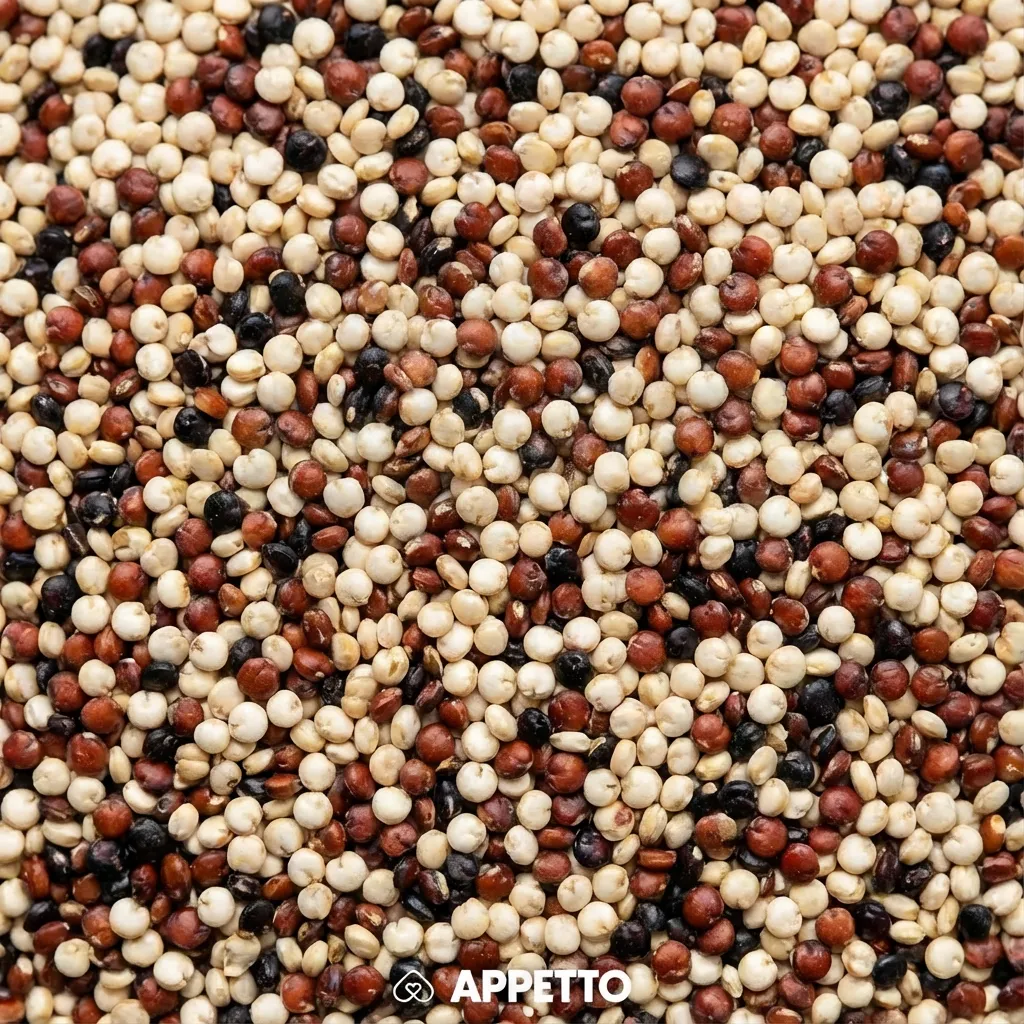
Are you wondering if you can add some grains to your pet’s bowl? Quinoa is allowed in moderation for dogs. While it can serve as a plant alternative, it requires careful preparation to be consumed safely and should only be given in small portions.
Benefits and nutritional value
Quinoa provides plant proteins, fibers, magnesium, and iron. It also introduces a carbohydrate variety into the dog’s diet. However, its overall nutritional value for dogs is considered low. General recommendations suggest introducing it very gradually to monitor the animal’s tolerance.
Risks associated with quinoa
Feeding quinoa to your dog is not entirely without risk. An excess amount in the diet can lead to digestive issues.
Risk typology and scientific explanations
- Chemical toxicity: Unrinsed quinoa grains contain saponins, which irritate the intestinal mucosa. Rinsing the grains is a crucial step because it reduces these irritating saponins.
- Digestive risk: Poorly cooked grains are linked to a digestive risk that can cause vomiting and diarrhea. Cooking is essential because it improves the digestibility of starch.
Which parts to feed and how to prepare them?
Dogs must only eat well-rinsed and thoroughly cooked grains. Raw grains and unrinsed grains are strictly bad for them. Therefore, you should always rinse the quinoa and then cook it thoroughly before offering it to your dog.
Vulnerable dogs and symptoms to watch for
Dogs with sensitive digestion are particularly vulnerable to new foods. For these dogs, a very gradual progression is recommended when introducing quinoa.
If a dog eats raw or unrinsed quinoa, or consumes an excessive portion, poisoning symptoms may appear. These symptoms include vomiting, diarrhea, and bloating.
What to do in case of ingestion
If your dog has eaten improperly prepared quinoa or shows any of the mentioned symptoms, monitor their condition closely. If the symptoms appear, persist, worsen, or seem concerning, it is advised to contact a veterinarian.
Frequently Asked Questions
Can dogs eat raw quinoa?
No, raw or unrinsed grains contain saponins that can irritate the intestinal mucosa and cause digestive issues.
Why must quinoa be cooked for dogs?
Cooking is necessary because it improves starch digestibility, reducing the risk of digestive problems such as vomiting and diarrhea.
About APPETTO
To help you better understand the diet of dogs and cats, you can consult information about various foods in the APPETTO app.
This article is provided for informational purposes only and does not replace the advice or diagnosis of a veterinarian. A veterinarian should be consulted in the event of concerning or persistent symptoms.