


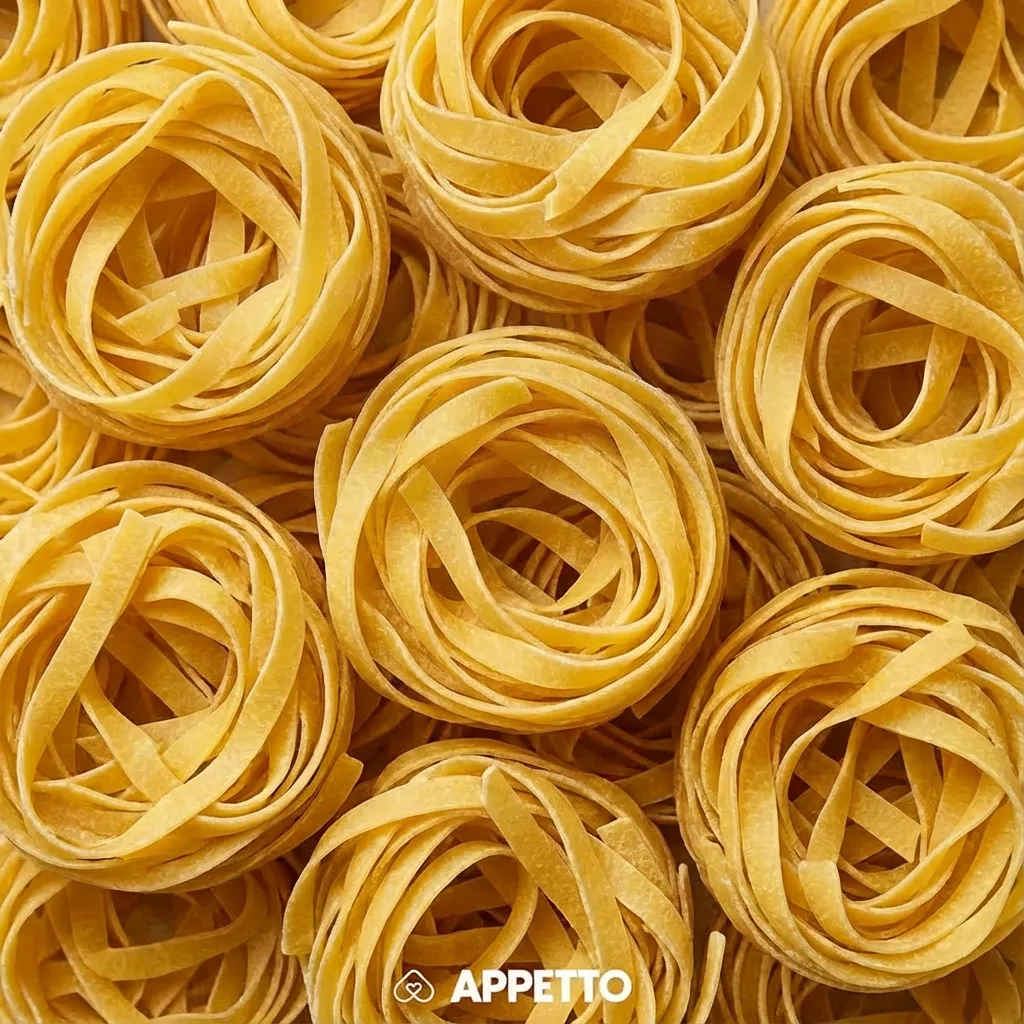
Many owners wonder if they can share their pasta dishes, such as durum wheat fettuccine, with their pets. Can cats safely eat this type of food?
Allowed in moderation
Fettuccine is allowed in moderation for cats. While tolerance is possible in very small quantities, this food is entirely unnecessary for their diet. General guidelines suggest that cereal products should be strictly limited and only offered in minimal amounts.
Nutritional value
The data shows no nutritional benefits for cats. Fettuccine provides zero nutritional value for them and only serves as a source of empty calories.
Risks and scientific mechanisms
Cats are strict carnivores. Their bodies are built for diets with high protein needs, and they produce very few enzymes required to digest starch. Feeding them pasta leads to an unnecessary intake of carbohydrates, presenting a nutritional risk that may contribute to weight gain.
Preparation and vulnerable cats
If given, the fettuccine must be cooked. Offering it in small crumbs helps the pasta be better tolerated. Caution is especially advised for obese or diabetic cats, as the extra carbohydrates can be more detrimental to their condition.
Symptoms to watch for and what to do
If a cat consumes fettuccine, it may experience digestive issues. The primary symptoms to monitor include vomiting and diarrhea.
If your cat has eaten this pasta and begins to show signs like vomiting or diarrhea, keep a close eye on them. Should the symptoms persist, worsen, or appear concerning, it is recommended to contact a veterinarian.
About APPETTO
To help you better understand the diet of cats and dogs, the APPETTO application allows you to consult information on various foods. You can download it at https://www.download.appetto.co.
This article is provided for informational purposes only and does not replace the advice or diagnosis of a veterinarian. A veterinarian should be consulted in the event of concerning or persistent symptoms.