


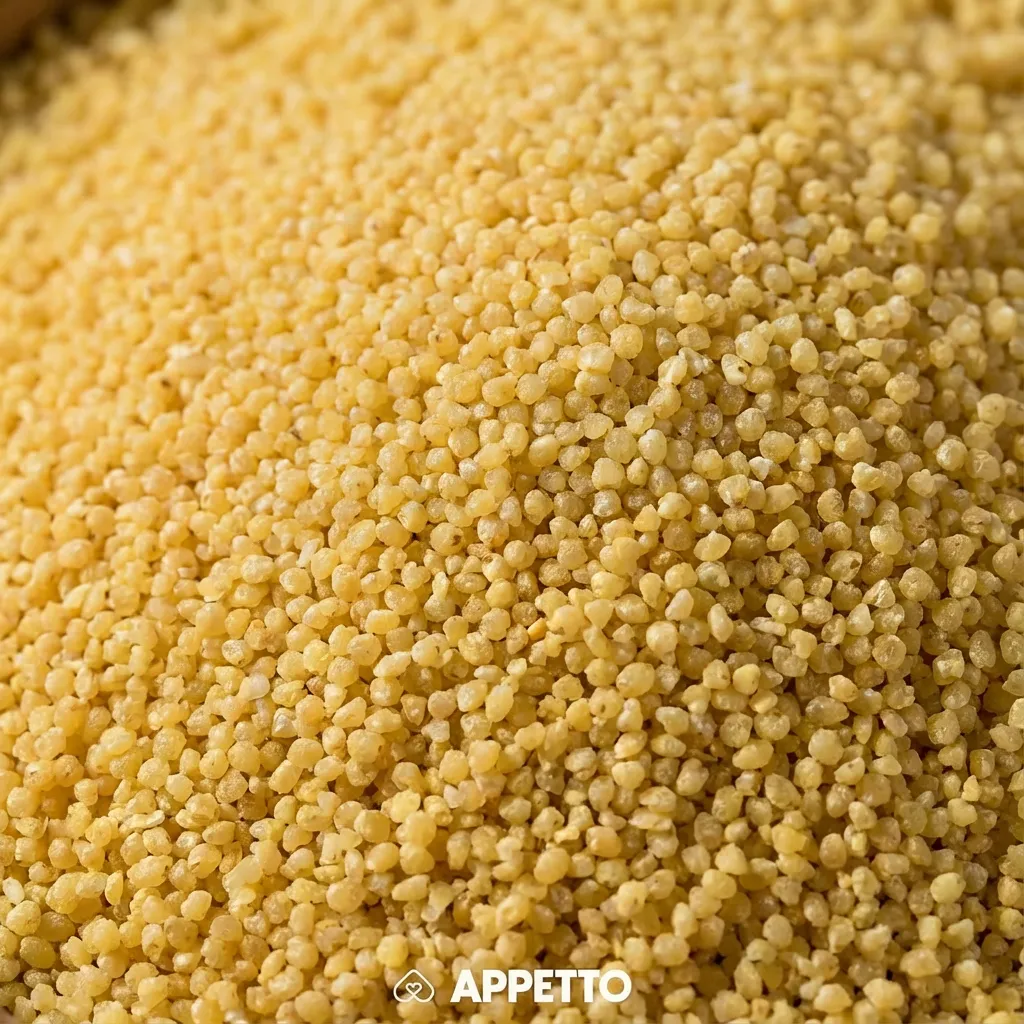
When sharing meals, many pet owners wonder which human foods are safe for their canine companions. Couscous, a cereal made from durum wheat semolina, is a common pantry staple. But is it suitable for your dog’s diet?
Is Couscous Safe for Dogs?
Yes, couscous is allowed for dogs, but only in moderation. Dogs are able to digest the starch found in this cereal, making it an acceptable addition to their diet. However, it must be limited to prevent any negative health impacts.
Nutritional Value and Benefits
The nutritional value of couscous for dogs is low. Its primary benefit is providing a source of energy, as the starch it contains is easily assimilated. It also offers small amounts of B vitamins and minerals, though it should not replace essential nutrients.
Risks and Scientific Mechanisms
While starch provides energy, it carries a nutritional risk due to its high caloric density. Feeding too much couscous can lead to a caloric overload, especially since it lacks the animal proteins dogs need. Additionally, an excess of this cereal presents a digestive risk and can cause gastrointestinal issues.
Preparation and Vulnerable Dogs
If you decide to offer couscous, it must be cooked. The grains need to be well hydrated to be better tolerated by the dog’s digestive system. Sedentary dogs are particularly vulnerable to weight gain and obesity if they consume too much of this calorie-dense food.
Symptoms to Watch For and What to Do
If your dog consumes too much couscous, you should monitor them for the following symptoms:
- Vomiting
- Diarrhea
If these signs appear, persist, or worsen after ingestion, it is recommended to contact a veterinarian for advice. This article cannot individually assess the severity of the situation.
Learn More with APPETTO
To help you better understand your dog’s diet and consult information about various foods, you can use the APPETTO app. You can download it here: APPETTO.
This article is provided for informational purposes only and does not replace the advice or diagnosis of a veterinarian. A veterinarian should be consulted in the event of concerning or persistent symptoms.