


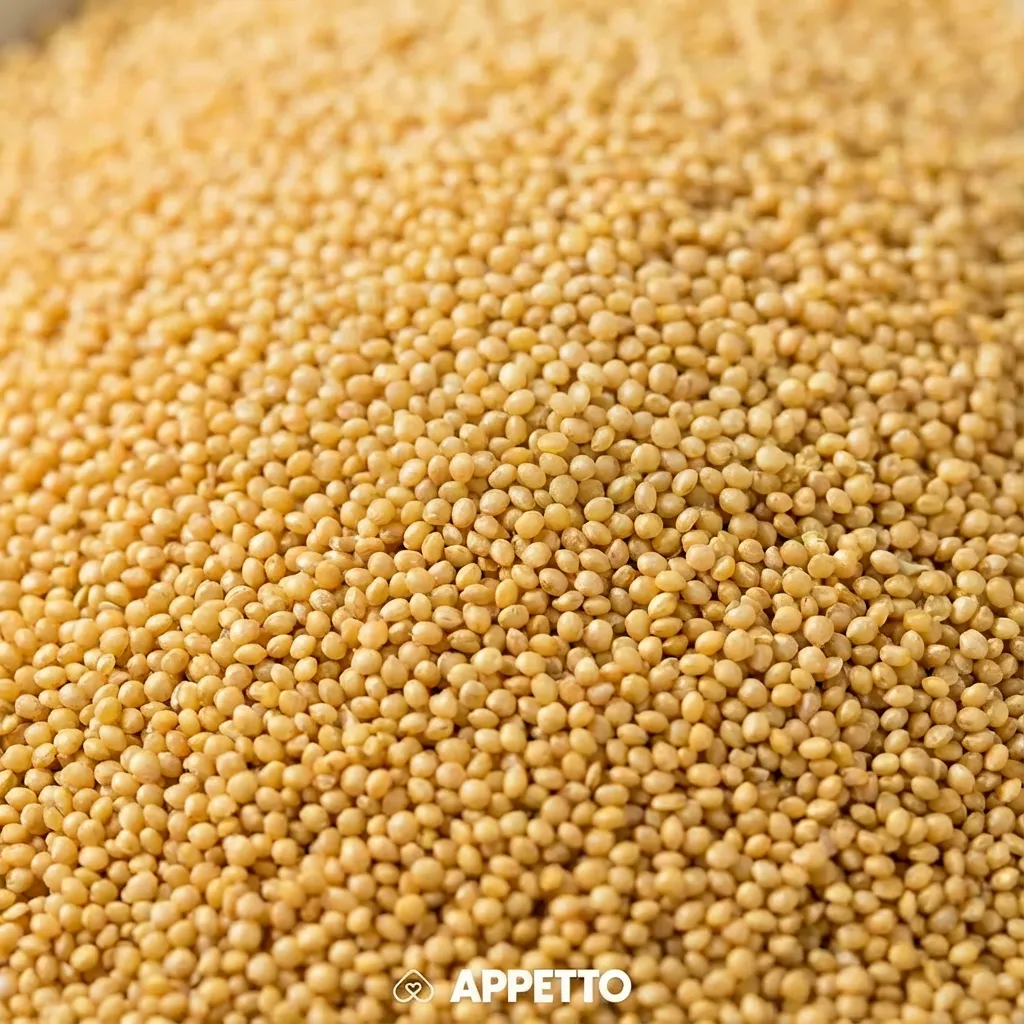
Amaranth is a grain that often raises questions among pet owners. Dogs can consume amaranth, but this is allowed only in moderation and requires strict preparation methods to ensure their safety.
Allowed in Moderation
Amaranth can be offered to dogs in small quantities, provided that specific guidelines are followed. Although its overall nutritional value for the animal is considered low, this grain has the advantage of being gluten-free. This can be useful for dogs with gluten sensitivities. Well-cooked seeds provide plant proteins, fibres, and minerals such as iron, magnesium, and phosphorus.
Which Parts of Amaranth Are Safe?
It is essential to distinguish between the different parts of the plant:
- Safe parts: Only cooked seeds are allowed.
- Parts to avoid: Raw seeds, leaves, stems, and the entire plant are strictly not recommended.
Preparation is crucial: the seeds must be thoroughly cooked before being served. Cooking significantly reduces the presence of antinutrients, such as tannins, saponins, and oxalates. This process greatly improves the digestibility of the grain for the dog.
Risks Associated with Amaranth
Feeding amaranth is not without risks if precautions are not taken. Offering portions that are too large may lead to weight gain due to the grain’s high starch content. An excess can also cause gastrointestinal issues.
The main danger comes from the leaves and the whole plant, which carry a chemical toxicity risk due to their high oxalate and nitrate levels. Oxalates chelate calcium, which can lead to kidney overload and a risk of kidney failure. Meanwhile, nitrate derivatives can disrupt tissue oxygenation, resulting in fatigue and weakness.
Vulnerable Dogs and Symptoms to Watch For
Increased caution is required for puppies, senior dogs, and dogs with kidney risks, as they have a higher sensitivity to these substances.
In the event of inappropriate consumption, several poisoning symptoms may appear:
- Vomiting
- Diarrhoea
- Weakness
If the dog has ingested leaves, the signs can include noticeable lethargy and walking difficulties.
What to Do in Case of Ingestion?
If your dog has eaten unapproved parts of the plant or displays the symptoms mentioned, it is recommended to closely monitor their condition and contact a veterinarian to get appropriate advice.
Frequently Asked Questions
Can I give raw amaranth seeds to my dog?
No, raw seeds should be avoided. They must be cooked to reduce antinutrients and make them easier to digest.
Is amaranth suitable for dogs with gluten sensitivities?
Yes, amaranth is a gluten-free grain, which makes it a useful option for dogs that are sensitive to gluten.
Discover APPETTO
To support you every day, the APPETTO application helps you better understand the diet of dogs and cats. It allows you to consult detailed information on a wide range of foods. You can download it here: APPETTO.
This article is provided for informational purposes only and does not replace the advice or diagnosis of a veterinarian. A veterinarian should be consulted in the event of concerning or persistent symptoms.