


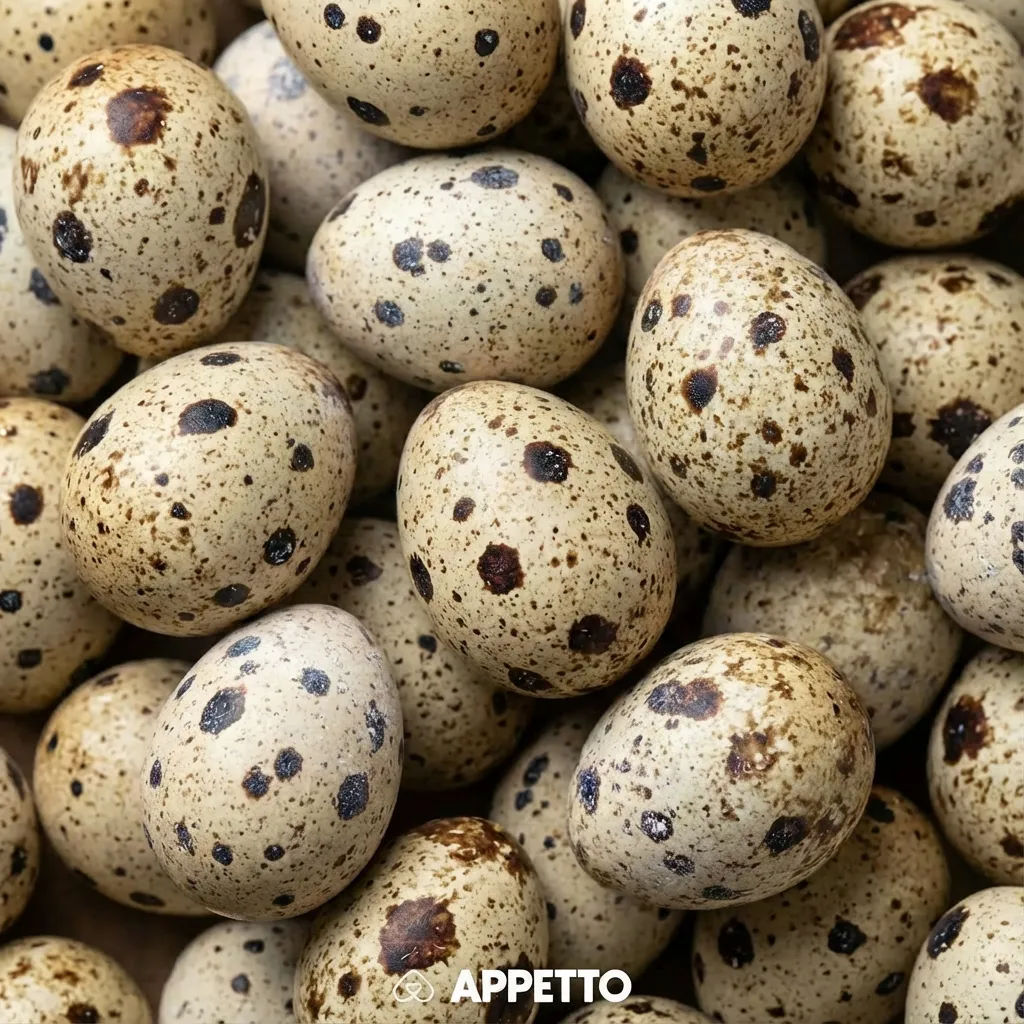
Are you wondering if you can feed pigeon eggs to your cat? The answer is yes, they are allowed in moderation.
Nutritional Value and Benefits
Pigeon eggs have a high nutritional value. The yolk provides useful nutrients, including vitamins and minerals. Furthermore, this food has good palatability for cats, and the proteins are highly digestible once cooked.
Preparation and Allowed Parts
It is recommended to serve both the yolk and the white well-cooked. Cooking is highly recommended before feeding. You should offer small portions, such as a third to a half of a cooked egg, two to three times a week. The raw egg white must be avoided.
Risks and Scientific Explanations
Offering pigeon eggs to your cat entails certain risks if not prepared properly:
- Chemical toxicity: Raw egg white contains avidin, which binds to biotin. This can lead to a risk of deficiency affecting the skin and coat.
- Bacterial risk: Raw eggs can carry salmonella.
- Nutritional risk: Due to their caloric density, giving this food too frequently may result in weight gain if given in excess.
Cooking is crucial because it inactivates the avidin and reduces pathogens, leading to increased safety and digestibility.
Symptoms to Watch
If your cat consumes raw eggs or an excessive amount, the following symptoms may appear:
- Vomiting
- Diarrhea
- Dull coat (due to a biotin deficiency from chronic exposure)
What to Do in Case of Ingestion
If your cat has eaten raw pigeon eggs and exhibits digestive issues, closely monitor the symptoms. If the signs persist, worsen, or seem concerning, contact a veterinarian.
Frequently Asked Questions
Can cats eat raw egg white?
No, the raw white should be avoided as it contains avidin, which can lead to a biotin deficiency.
How much cooked pigeon egg can I give my cat?
Small portions of a third to a half of a cooked egg, given two to three times a week, are recommended.
Discover the APPETTO App
To help you better understand your cat’s diet and access information on various foods, you can download the APPETTO app.
This article is provided for informational purposes only. It does not replace the advice or diagnosis of a veterinarian. A veterinarian should be consulted if your pet shows any concerning or persistent symptoms.