


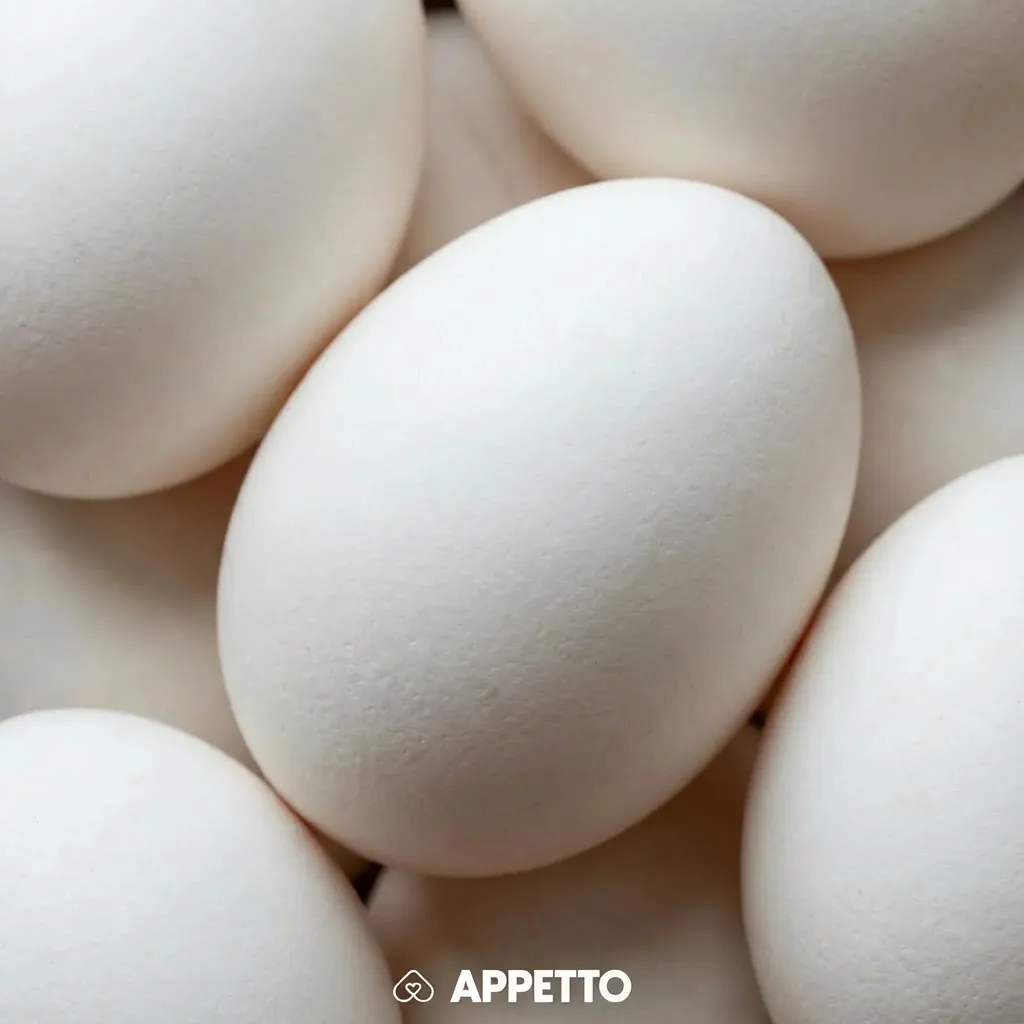
The goose egg is allowed in moderation for dogs. While this food has a high nutritional value, it must be carefully prepared and offered in limited amounts depending on the animal’s size.
Benefits of the goose egg
This food provides interesting nutritional benefits. It is a good source of proteins and contains fat-soluble vitamins.
Preparation and allowed parts
It is essential that the goose egg is well cooked. Dogs can safely eat the cooked white and the cooked yolk. Cooking is a crucial step because it secures both the white and the yolk. On the other hand, you should never feed the whole uncrushed shell to your dog.
Risks and vulnerable dogs
This food has a high caloric density. There is a nutritional risk related to fats and calories, which means the portion must be strictly monitored. Special vigilance is required for overweight dogs.
Furthermore, an undercooked goose egg presents a chemical toxicity risk due to bacteria like salmonella. Undercooking must be completely avoided.
Symptoms to watch for
If a dog consumes this food undercooked or in inappropriate amounts, the following symptoms may appear:
- Vomiting
- Diarrhea
What to do in case of inappropriate ingestion?
If your dog has eaten an undercooked goose egg or shows vomiting and diarrhea, monitor their condition closely. Contact a veterinarian if the symptoms are concerning or persistent.
The APPETTO app
To better understand your dog’s diet and check information about various foods, you can use the APPETTO application.
This article is provided for informational purposes only and does not replace the advice or diagnosis of a veterinarian. A veterinarian should be consulted if any concerning or persistent symptoms appear.