


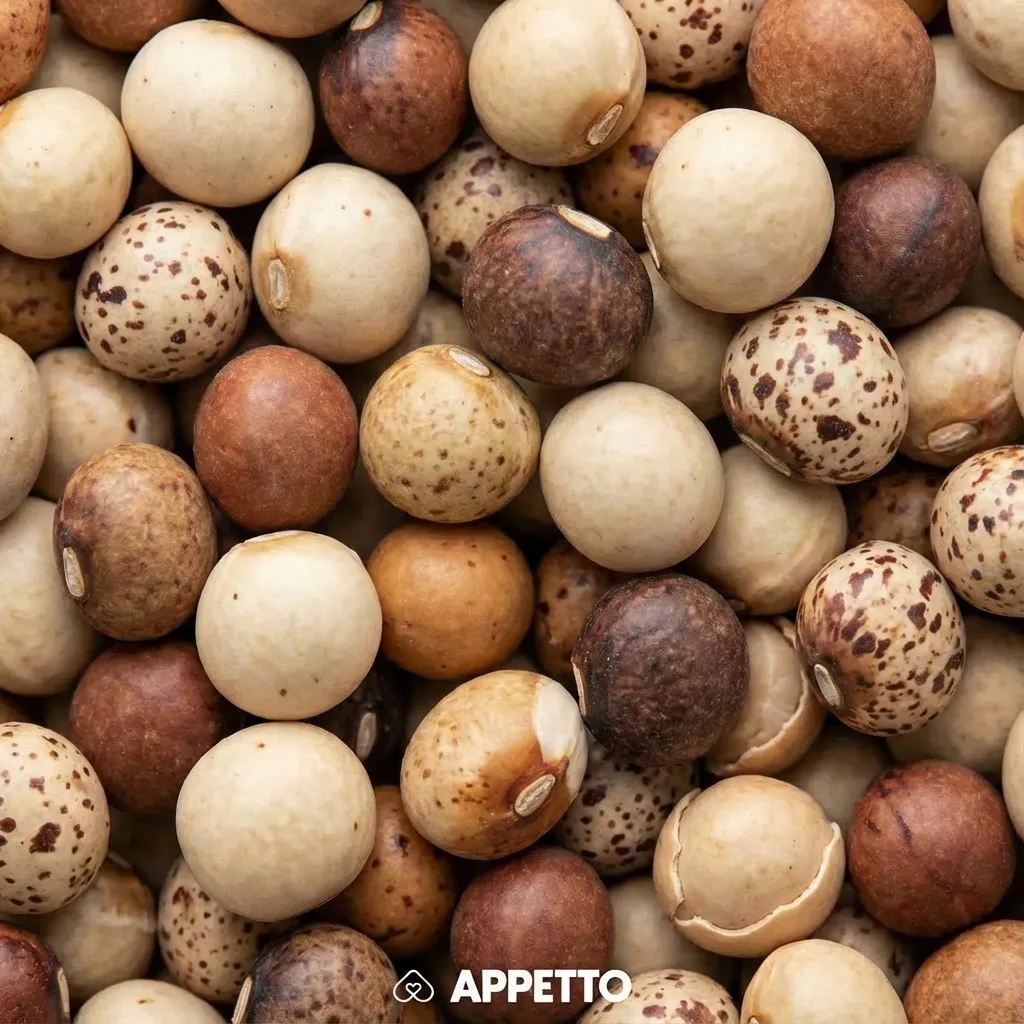
Bambara peas should be avoided in a cat’s diet. Because cats are strict carnivores, legumes provide absolutely no nutritional value for them, and their consumption presents several risks.
Nutritional Value and Risks
Plant proteins, starch, and fibers have very low digestibility for cats, making this food highly unhelpful. Even when cooked, the nutritional interest remains virtually nonexistent. Feeding Bambara peas poses the following risks:
- Gastrointestinal issues: Their poor digestibility can lead to digestive discomfort.
- Mineral malabsorption: Anti-nutrients such as phytates can bind to essential minerals like zinc, iron, and calcium, reducing their absorption in the body.
- Intestinal alteration: Lectins present in the plant can alter the intestinal wall.
- Mechanical risk: The seed coat can be irritating to the digestive tract if not removed.
Raw seeds, dry pods, and the seed coat are particularly bad and must be completely avoided. Although cooking and hulling can significantly reduce anti-nutrients (which is useful to know in the event of accidental exposure), it is strongly recommended to keep all legumes out of a feline diet.
Vulnerable Cats and Symptoms
Kittens and cats with a sensitive digestive tract are especially vulnerable to these issues. If a cat ingests Bambara peas, you may observe symptoms such as vomiting, diarrhea, gas, and a decrease in appetite. It is advised to monitor your pet closely and contact a veterinarian if these symptoms appear or cause concern.
About APPETTO
If you want to easily check which foods are suitable for your pets, the APPETTO app can help you better understand their nutritional needs.
This article is provided for informational purposes only and does not replace the advice or diagnosis of a veterinarian. Always consult a veterinary professional if your pet shows concerning or persistent symptoms.