


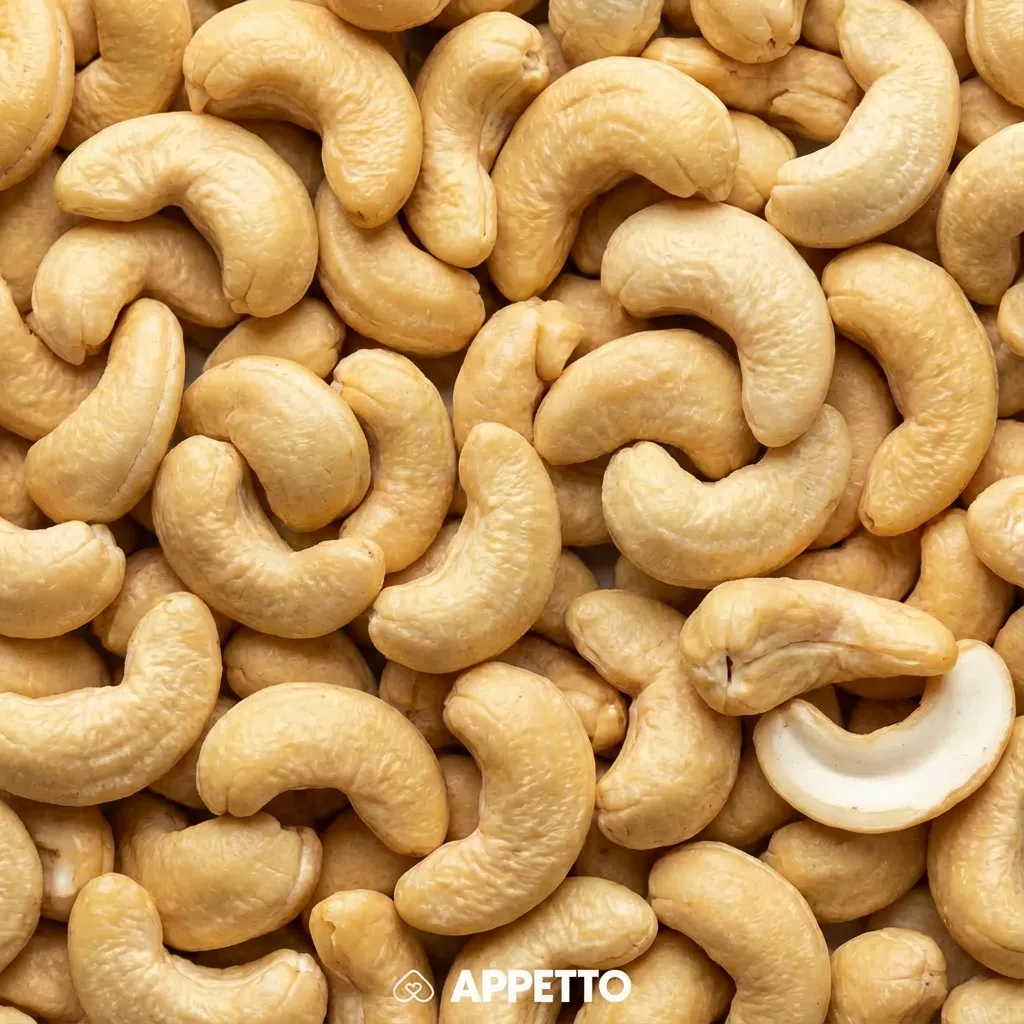
It is common to wonder if you can share your snacks with your pet. When it comes to giving cashew nuts to a dog, opinions are divided. Some sources advise against them due to their poor digestibility and lack of nutritional interest.
Nutritional Value and Benefits
The nutritional value of cashew nuts for dogs is low. Although they can provide a fast energy supply and some minerals, this does not justify adding them to your dog’s diet.
Risks of Cashew Nuts for Dogs
Feeding cashew nuts to a dog involves several risks:
- Nutritional risk: Cashew nuts are very high in calories and fat. This high energy density can lead to a lipid overload, which may promote weight gain. If eaten in excess, the resulting pancreatic overload can present a possible risk of pancreatitis.
- Mechanical risk: Because the nut is hard, there is a risk of choking or esophageal blockage, especially if swallowed whole.
- Digestive risk: Nuts in general are considered indigestible for dogs.
Parts to Avoid and Precautions
You must ensure your dog never eats the shell of the cashew or swallows the nut whole. Since data regarding whether they should be raw or cooked is uncertain, it is recommended to avoid this food as a precaution.
Vulnerable Dogs
Brachycephalic breeds are particularly vulnerable. For these dogs, the risk of choking is increased.
Symptoms to Watch and What to Do
If your dog has eaten cashew nuts, several symptoms may appear. You should monitor your dog for:
- Vomiting
- Diarrhea
- Abdominal pain
If these symptoms appear, persist, or seem concerning, it is advisable to contact a veterinarian. This article cannot individually assess the severity of the ingestion.
Learn More with APPETTO
To help you better understand the diets of dogs and cats, you can use APPETTO. This application allows you to consult information about various foods. You can download it here: https://www.download.appetto.co.
This article is provided for informational purposes only. It does not replace the advice or diagnosis of a veterinarian. A veterinarian should always be consulted in the event of concerning or persistent symptoms.