


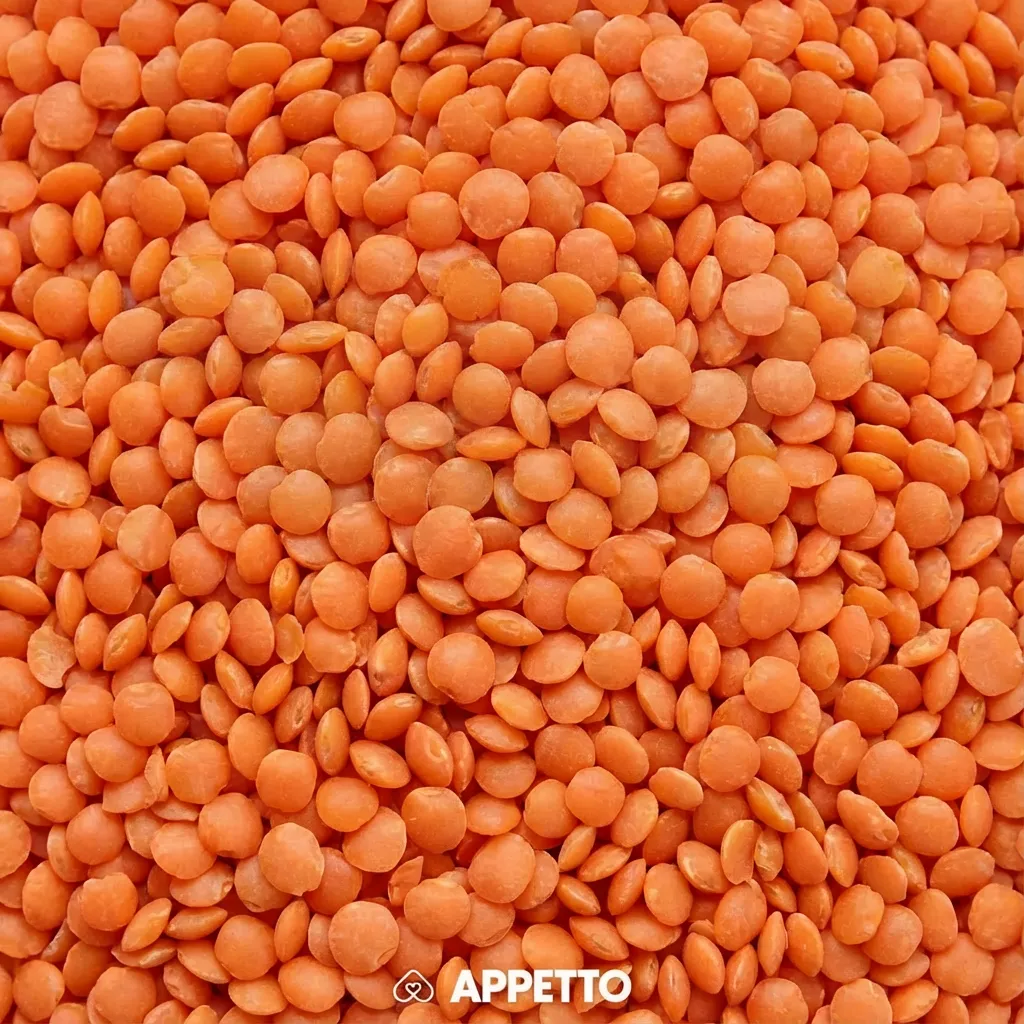
Coral lentils can be given to cats, but they are only allowed in moderation.
Nutritional Benefits
The overall nutritional value of coral lentils for cats is low. However, in very small quantities, they can provide fibers and offer a satiating effect. It is important to note that starches hold little nutritional interest and are generally not very useful for a feline diet.
Preparation and Allowed Parts
Only the cooked seed is permitted. Coral lentils must be cooked in order to reduce the lectins they contain. Consequently, the raw seed must not be given to your cat.
Risks and Vulnerabilities
There are nutritional and digestive risks associated with coral lentils. Giving an excess can lead to gastrointestinal troubles. Furthermore, lectins can cause acute digestive symptoms in cats when ingested raw. It should also be noted that older cats are more sensitive to these adverse effects.
Symptoms to Monitor
If your cat ingests raw coral lentils or consumes an excessive amount, the following symptoms may appear:
- Vomiting
- Diarrhea
- Lethargy
What to Do After Ingestion
If your cat exhibits these symptoms, observe their condition closely. If the signs worsen or persist, it is advisable to contact a veterinarian. General recommendations suggest that while these legumes are not toxic, they are useless in large quantities and should never be offered raw.
About APPETTO
To better understand your companion’s diet, the APPETTO application allows you to easily consult information on various foods for dogs and cats.
This article is provided for informational purposes only. It does not replace the advice or diagnosis of a veterinarian. A veterinarian should be consulted in case of concerning or persistent symptoms.