


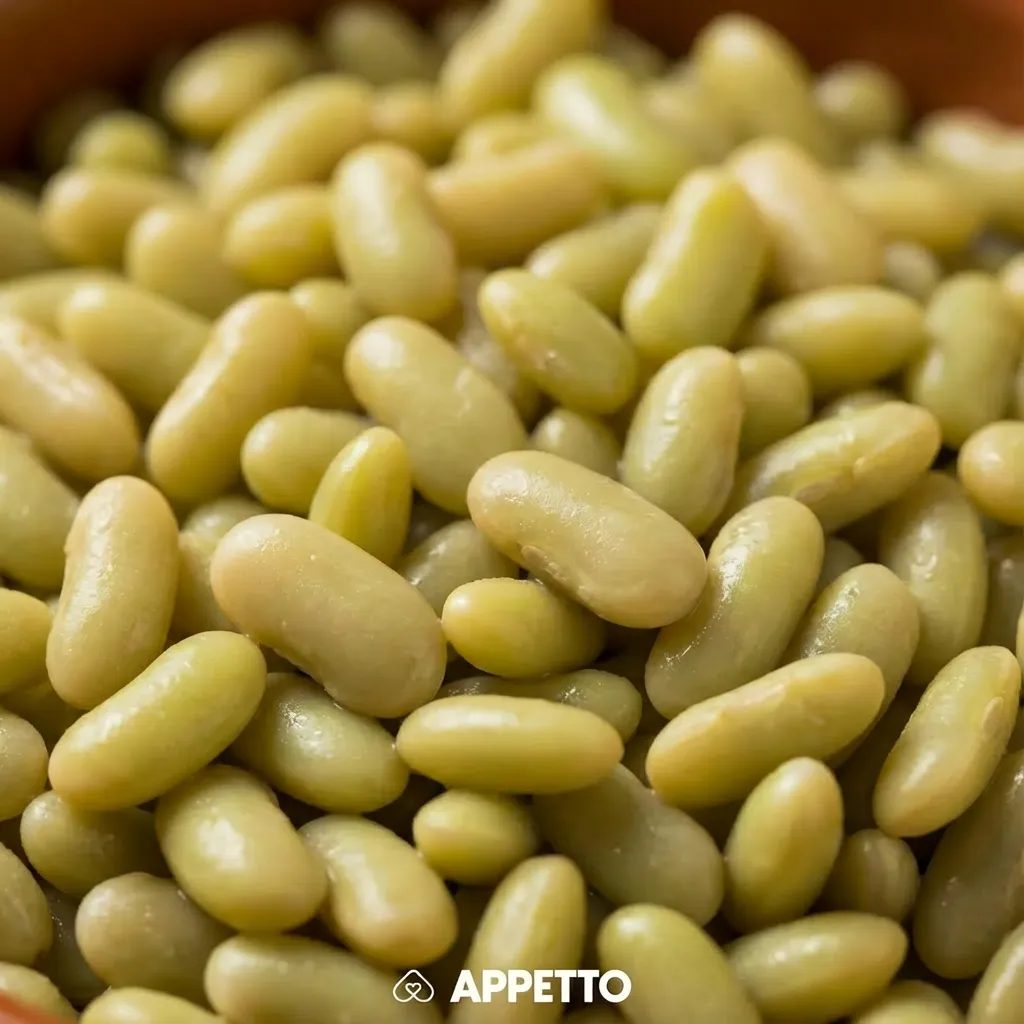
It is common to wonder if you can share your vegetables with your pet. The flageolet bean is allowed in moderation for dogs, although it is not considered the ideal vegetable for them.
Nutritional Value and Benefits
The nutritional value of the flageolet bean for a dog is generally low. However, this vegetable provides a source of fiber and offers a small contribution of protein.
Preparation: Raw or Cooked?
How you prepare this food is crucial. It is important to only offer the cooked seed, while the raw seed must be avoided. Cooked flageolet beans are tolerated by dogs, provided they are given in small quantities.
Risks and Scientific Mechanisms
Even though the flageolet bean is allowed, its consumption presents a nutritional risk due to its fiber content. These fibers slow down gastric emptying and modulate the intestinal transit. If a dog consumes too much of this vegetable, it can lead to gas, soft stools, and frequent bloating, which explains why it is not an ideal food for them. Sensitive dogs are particularly vulnerable, so large portions should be avoided.
Symptoms to Watch For
Inappropriate consumption of flageolet beans can lead to digestive issues. It is important to monitor your dog for the following symptoms :
- Bloating
- Diarrhea
What to Do in Case of Ingestion
If your dog has eaten raw flageolet beans or consumed a large amount, keep an eye out for the symptoms mentioned above. Should any signs appear, persist, or seem concerning, it is advisable to contact a veterinarian.
Frequently Asked Questions
Can dogs eat raw flageolet beans?
No, the raw seed must be avoided. Only properly cooked seeds are tolerated in small amounts.
Why are flageolet beans not ideal for dogs?
They can frequently cause bloating. The fibers they contain can also result in gas and soft stools if given in excess.
About APPETTO
To help users better understand the diet of dogs and cats and to consult information about various foods, you can use the APPETTO application.
This article is provided for informational purposes only and does not replace the advice or diagnosis of a veterinarian. A professional should always be consulted in the event of concerning or persistent symptoms.