


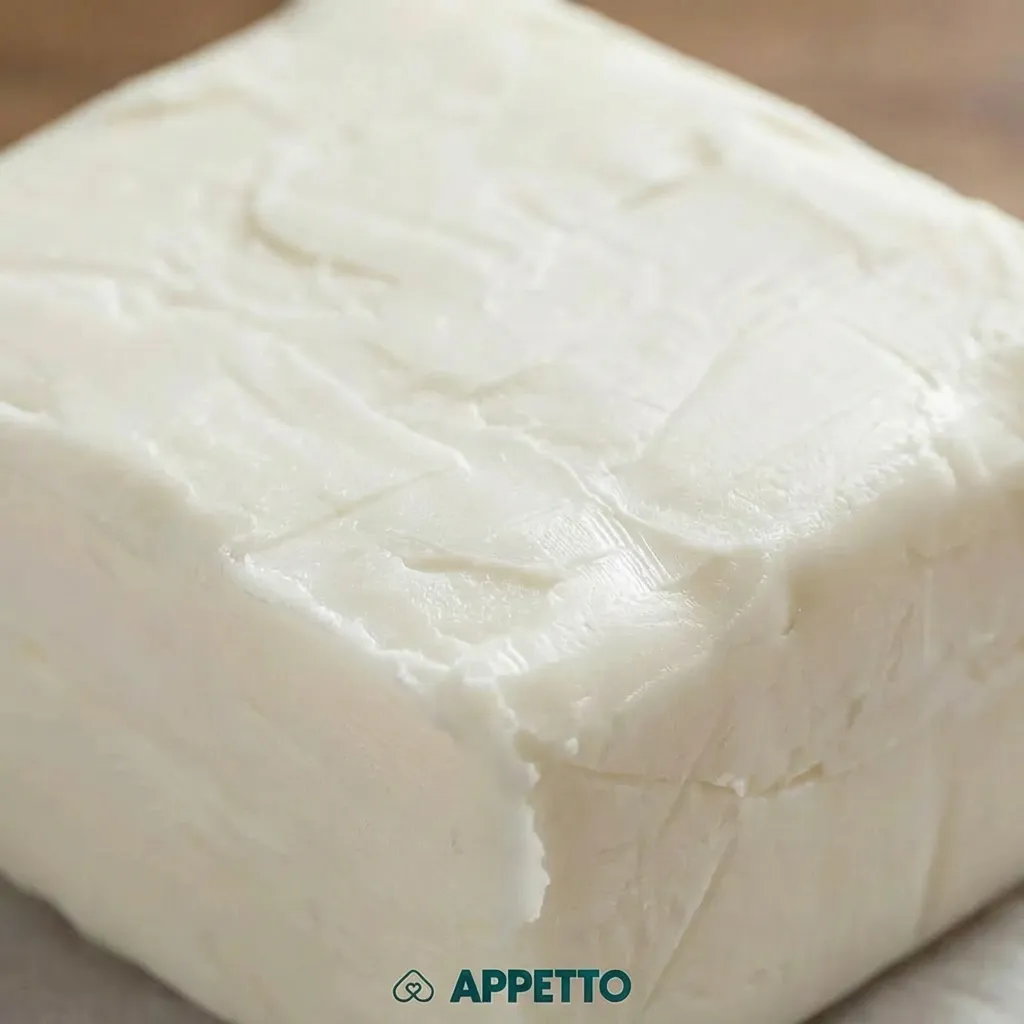
You may be wondering if your cat can safely consume shortening. When it comes to feeding shortening to cats, there are diverging opinions. While some might not consider it immediately harmful in trace amounts, it is generally advised to be cautious.
Nutritional Value and Benefits
Data indicates that shortening offers absolutely no useful nutritional benefits for a cat. Its nutritional value is considered null, meaning it does not contribute positively to your pet’s diet.
Potential Risks of Shortening
Official recommendations suggest not giving this processed product to your cat. The main risks are associated with its high lipid content and the presence of additives, which may lead to digestive issues. From a scientific perspective, shortening often contains trans fats, which can have a negative metabolic impact and create a metabolic overload for the animal.
Regarding its preparation, the data remains uncertain on whether the state of the shortening matters, so it is recommended to avoid it entirely as a precaution.
Vulnerable Cats
Caution is particularly advised for obese cats and senior cats, as they may be more sensitive to the metabolic overload caused by the fats in shortening.
Symptoms to Watch For
If your cat ingests shortening, certain symptoms may appear. You should monitor your pet for:
- Vomiting
- Diarrhea
What to Do in Case of Ingestion
If your cat has consumed shortening and you notice symptoms like vomiting or diarrhea, continue to observe them closely. It is advised to contact a veterinarian if these symptoms persist or seem concerning, as they can evaluate the situation.
Learn More with APPETTO
To better understand your pet’s diet and check information about different foods, you can use APPETTO. You can download the app here: https://www.download.appetto.co.
This article is provided for informational purposes only and does not replace the advice or diagnosis of a veterinarian. Always consult a veterinarian if you observe concerning or persistent symptoms in your pet.