


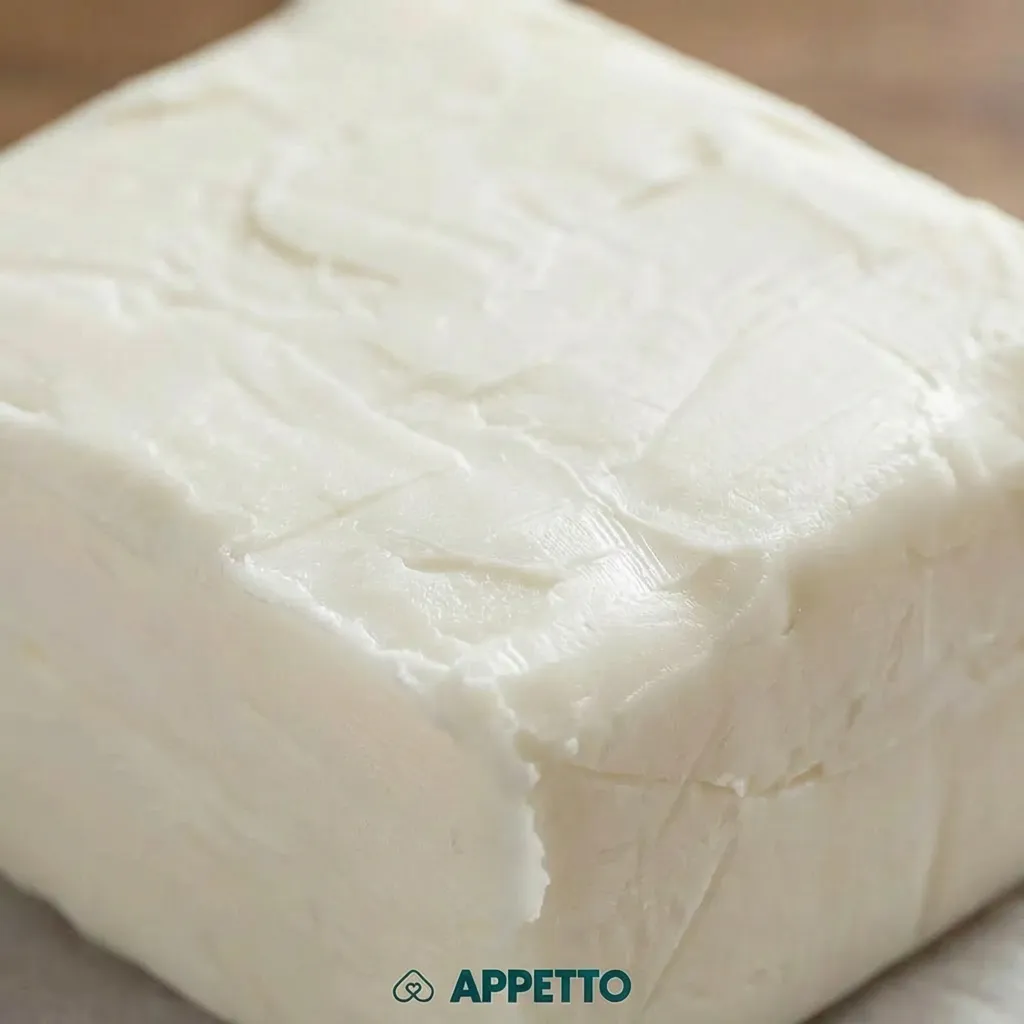
You might be wondering if you can share some shortening with your dog. While there are diverging opinions on the matter, official recommendations suggest avoiding it completely, as there is no safe portion for dogs.
Nutritional Value and Benefits
When it comes to your dog’s diet, shortening offers no useful nutritional benefits. The nutritional value of this ingredient is considered null for dogs.
Risks and Scientific Explanations
Shortening is extremely fatty and may contain trans fatty acids. These trans fats are associated with general unfavorable metabolic effects. The primary nutritional risks of consuming lipids and trans fats include a risk of obesity and pancreatitis. Because the data on whether it is safer raw or cooked is uncertain, it is recommended to avoid it altogether as a precaution.
Vulnerable Dogs
Some dogs are more susceptible to the risks associated with shortening. Young dogs, obese dogs, and sensitive breeds are considered more at risk if they consume this fat.
Symptoms to Watch For
If your dog ingests shortening, certain symptoms may appear. You should monitor your dog for:
- Vomiting
- Diarrhea
- Dehydration
What to Do in Case of Ingestion
If your dog has eaten shortening, keep a close eye on them for the symptoms listed above. If vomiting, diarrhea, or dehydration appear, persist, or seem concerning, contact a veterinarian. This article cannot evaluate the individual severity of the ingestion.
Learn More with APPETTO
APPETTO is an application that helps you better understand the diet of dogs and cats. You can consult information about various foods by downloading the app at https://www.download.appetto.co.
This article is provided for informational purposes only. It does not replace the advice or diagnosis of a veterinarian. A veterinarian must be consulted in case of concerning or persistent symptoms.