


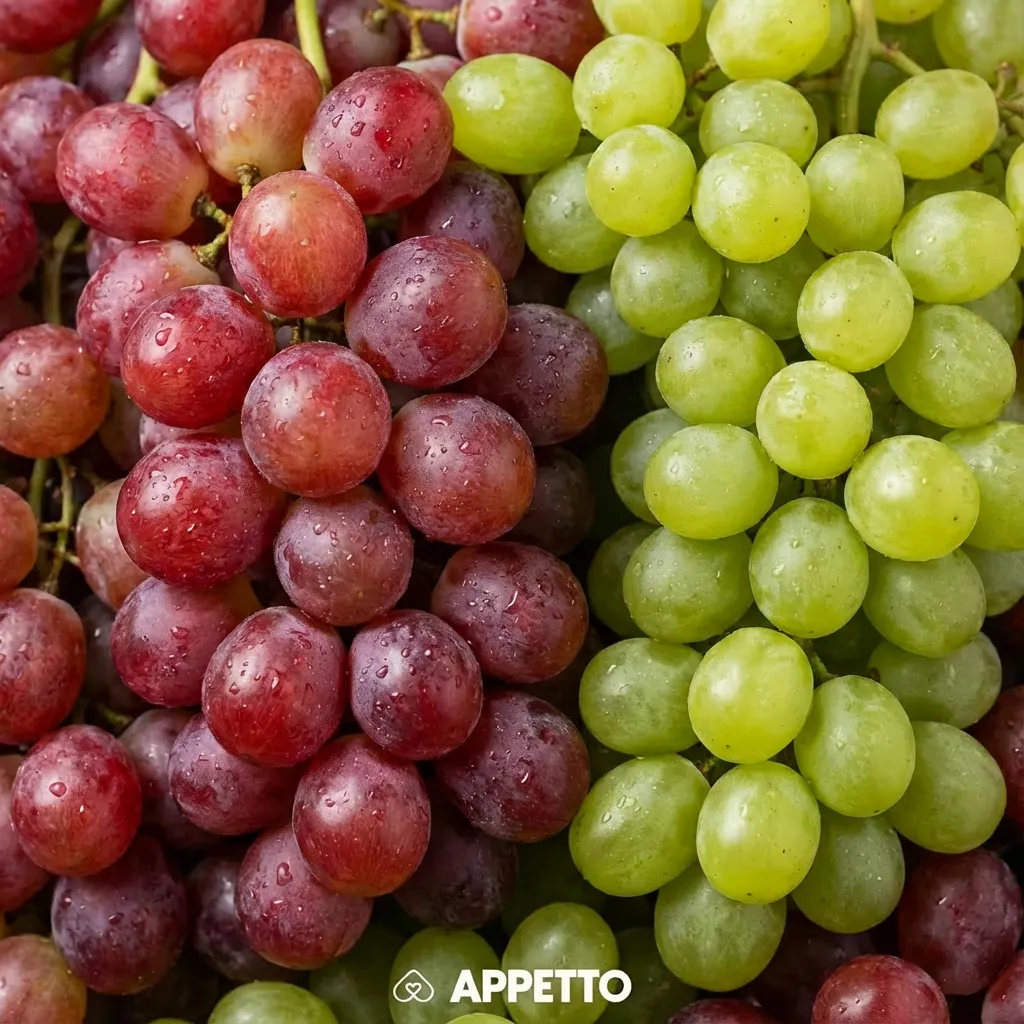
Grape seed oil is allowed in moderation for cats. While it can offer some benefits, its overall nutritional value remains low, and certain precautions must be taken before offering it to your feline friend.
Benefits and Usage
The primary benefit of grape seed oil lies in its antioxidants, which can support the cat’s skin and coat. If used, it must only be offered cold and fresh. Rancid oil must be strictly avoided. There is no official dosage, but if given, it should only be in micro-doses.
Risks and Scientific Explanations
Grape seed oil presents several risks if not used carefully:
- Nutritional: It has a low omega-3 content, leading to an unfavorable ratio that can cause an omega-6 imbalance. It has limited interest without omega-3, should be avoided as the main oil in a cat’s diet, and must be balanced with omega-3 sources.
- Chemical: The oil is prone to rapid oxidation.
- Digestive: Feeding it in excess can lead to digestive issues, such as loose stools.
Vulnerable Cats
Obese and senior cats are particularly vulnerable; added fats should be limited for these animals.
Symptoms to Watch
If your cat consumes too much grape seed oil or ingests rancid oil, symptoms such as vomiting and diarrhea may appear.
What to Do in Case of Ingestion
If your cat experiences these symptoms, monitor their condition closely. Contact a veterinarian if the signs persist or seem concerning.
APPETTO
For more guidance on what foods are suitable for your feline companion, you can use the APPETTO application. It helps users better understand dog and cat nutrition. Download it at https://www.download.appetto.co.
This article is provided for informational purposes only. It does not replace the advice or diagnosis of a veterinarian. A veterinarian should be consulted in case of concerning or persistent symptoms.