


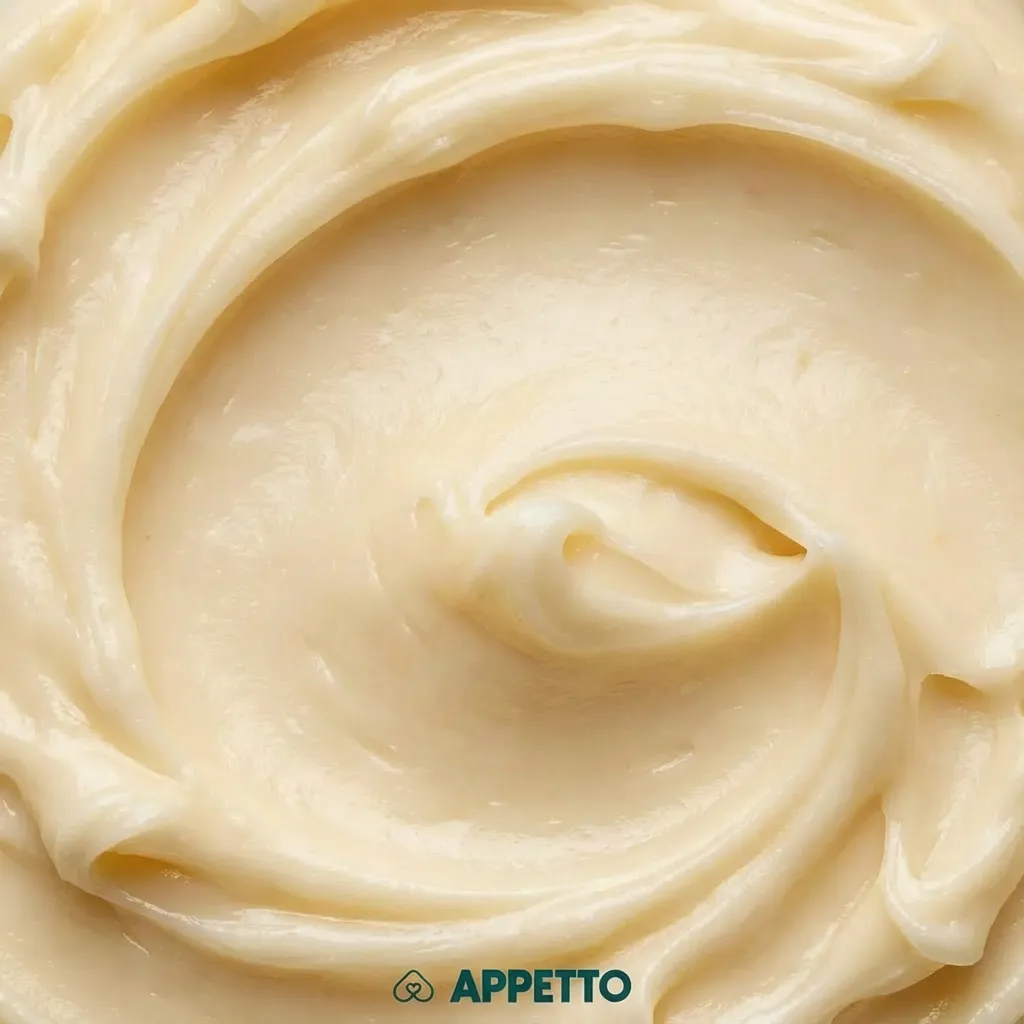
You may be wondering if it is safe to give duck fat to your dog. The answer is straightforward: this food should be avoided. While it might seem like a tasty addition to their meal, the potential risks to your pet’s health are too significant to ignore.
A Food to Avoid
Duck fat is considered a food to avoid for dogs. Although it can provide a source of energy and contains vitamins A, D, E, and K, its overall nutritional value is low. General recommendations suggest exercising caution with very fatty foods, as they are a frequent cause of health issues. Any ingestion should remain highly exceptional.
Health Risks and Scientific Explanations
Consuming duck fat in excess presents a major nutritional risk due to its very high lipid content. These lipids lead to a pancreatic overload. From a physiological standpoint, the high concentration of fat strongly stimulates pancreatic secretion, which can promote inflammation. The most prominent risks associated with excessive consumption are digestive issues and the potential development of pancreatitis.
Preparation, Vulnerable Dogs, and Symptoms
If consumed, cooked forms are generally better tolerated, but they must still remain an exception. Certain dogs are particularly vulnerable to these risks, especially Schnauzers and any dogs that are naturally prone to pancreatitis.
If your dog has ingested duck fat, keep a close eye out for the following symptoms:
- Vomiting
- Diarrhea
- Lethargy
Should any of these signs appear, it is advised to contact a veterinarian to ensure your dog receives the appropriate assessment and care.
Learn More with APPETTO
The APPETTO application helps users better understand the diet of dogs and cats by providing reliable information about various foods. You can download and explore the app here: https://www.download.appetto.co.
This article is provided for informational purposes only and does not replace the advice or diagnosis of a veterinarian. If your pet exhibits any concerning or persistent symptoms, please consult a veterinary professional.