


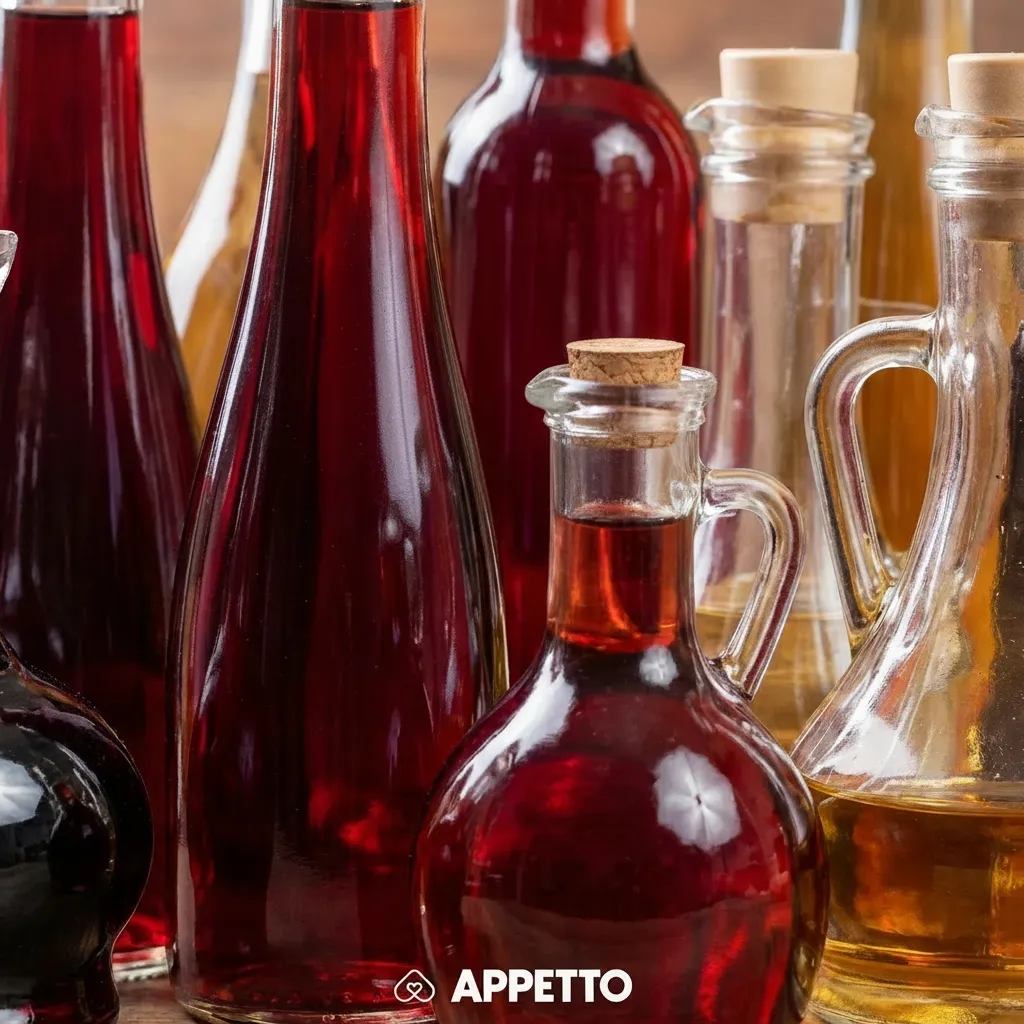
Wine vinegar should be avoided in a cat’s diet. While it is not considered toxic, its ingestion is not recommended for felines.
Nutritional Value
Wine vinegar has absolutely no nutritional value and offers no dietary interest for cats.
Risks and Mechanisms
This liquid has a marked acidity and is known to be irritating. The main chemical toxicity risk comes from acetic acid, which lowers gastric acidity, provokes nausea, and irritates the stomach. Furthermore, there is a nutritional risk, as this acidity can accentuate digestive discomfort, leading to oral and gastric irritation.
Vulnerable Cats
Cats that already suffer from digestive disorders are more vulnerable to these effects.
Symptoms to Watch
If a cat ingests wine vinegar, the following symptoms may appear:
- Vomiting
- Diarrhea
- Salivation
What to Do in Case of Ingestion
If your cat consumes wine vinegar, carefully monitor them for the symptoms mentioned above. If these signs appear, persist, or seem concerning, it is advisable to contact a veterinarian.
APPETTO
The APPETTO app helps users better understand the diets of dogs and cats and consult information on various foods. You can download it here: APPETTO
This article is provided for informational purposes only. It does not replace the advice or diagnosis of a veterinarian. A veterinarian should be consulted if your pet shows any concerning or persistent symptoms.