


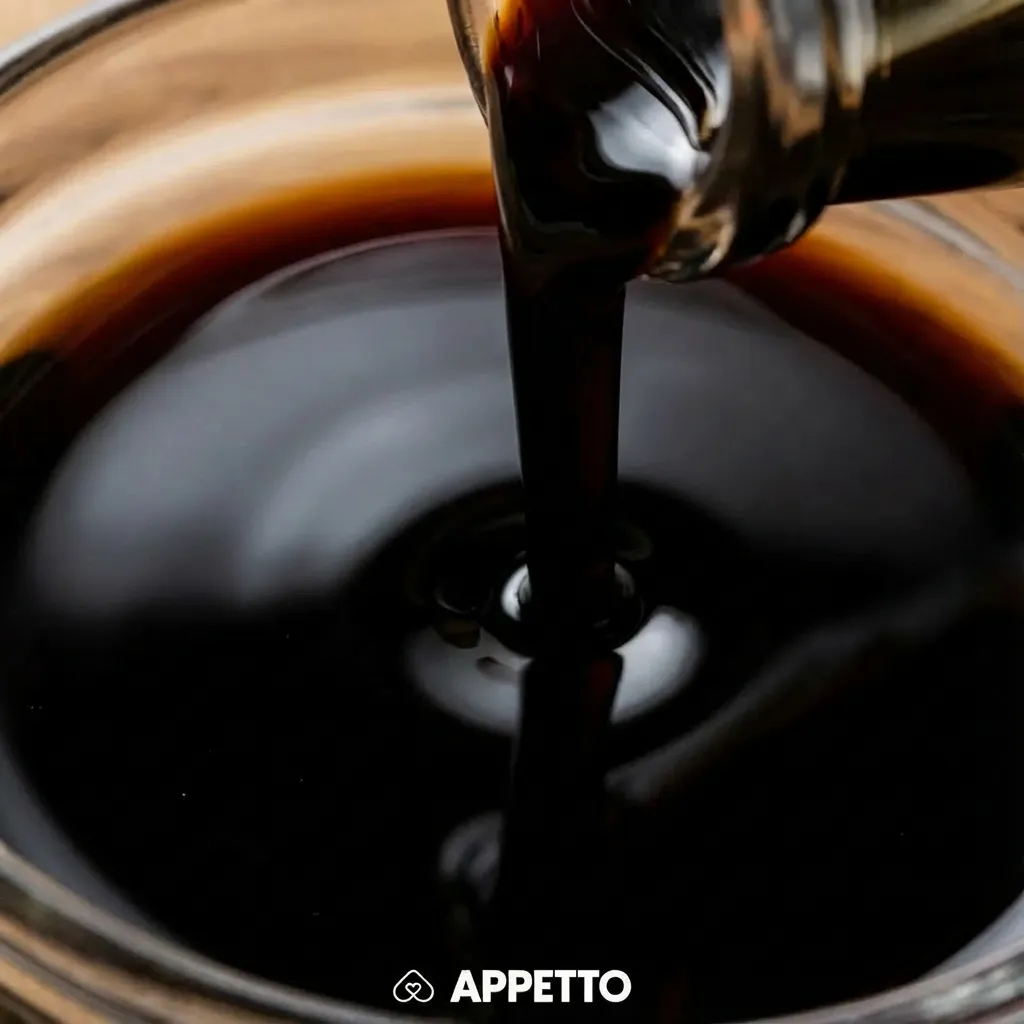
Are you wondering if cats can consume balsamic vinegar? The short answer is that it should be avoided.
Nutritional Value
Balsamic vinegar offers no nutritional value for your feline friend. Furthermore, the grape polyphenols present in this product provide no notable benefit for cats, making its ingestion entirely unnecessary.
Risks and Scientific Explanations
The very strong taste and high acidity of balsamic vinegar pose several risks for cats. There is a risk of chemical toxicity, as the acetic acid it contains can alter gastric acidity and trigger nausea, while causing significant irritation to both the mouth and the stomach. Additionally, there is a nutritional risk, as the combination of sugar and acidity found in balsamic vinegar can aggravate existing digestive disorders. Although vinegar products are generally considered non-toxic in the environment, oral ingestion by cats is unnecessary and potentially problematic.
Vulnerable Cats
Cats that already suffer from gastritis or acid reflux are particularly vulnerable to the acidic effects of this liquid.
Symptoms to Watch For
If your cat accidentally ingests this irritating liquid, the following symptoms may appear:
- Vomiting
- Diarrhea
- Salivation
- Oral discomfort
What to Do In Case of Ingestion
If your cat has ingested balsamic vinegar, keep a close eye on their behavior. While it is not considered highly toxic, the acidity can cause discomfort. If any of the symptoms mentioned above appear, persist, or seem concerning, it is advisable to contact a veterinarian for proper guidance.
About APPETTO
The APPETTO app (https://www.download.appetto.co) helps users better understand the diet of dogs and cats and allows them to consult detailed information on various foods.
This article is provided for informational purposes only. It does not replace the advice or diagnosis of a veterinarian. A veterinarian should be consulted in the event of concerning or persistent symptoms.