


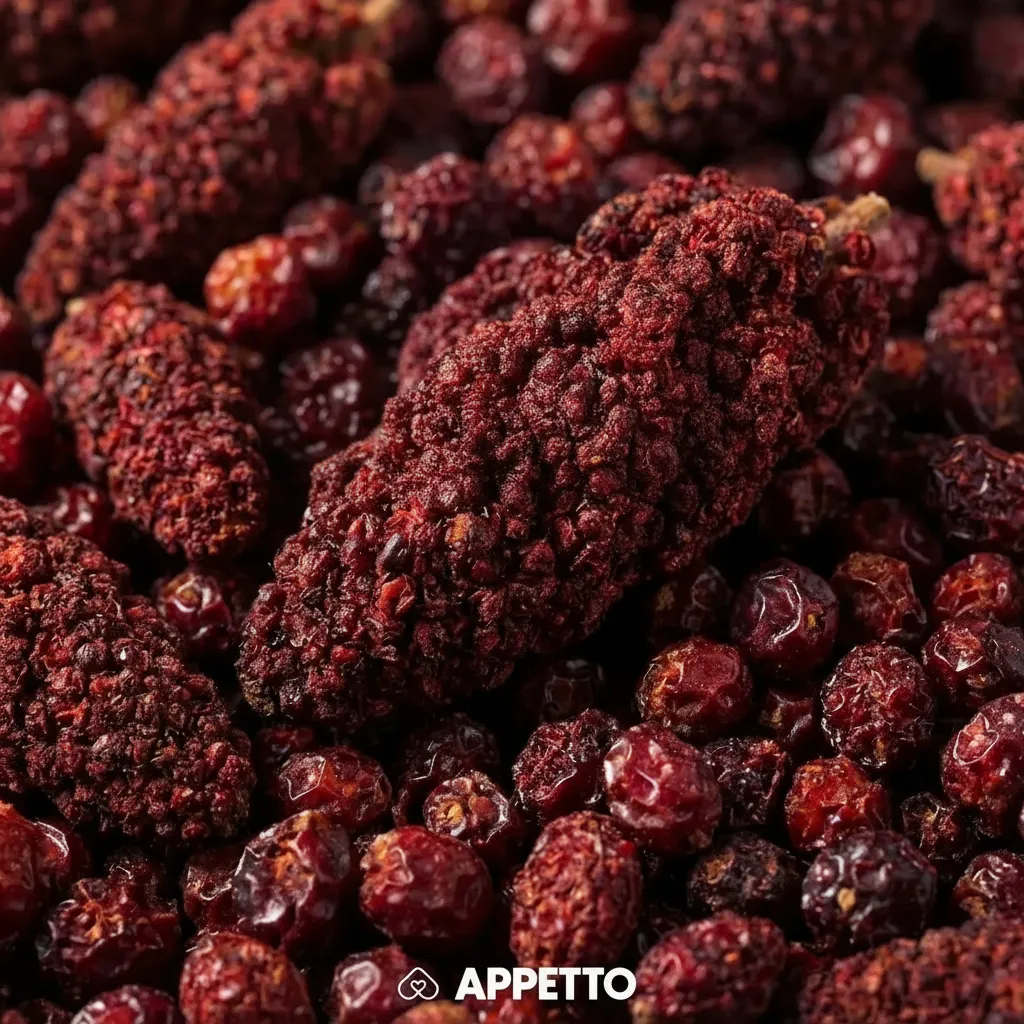
Whether cats can safely consume sumac is a subject of divergent opinions. The available data indicates that it holds no nutritional value and offers no health benefits. Given the uncertainties surrounding its safety, it is recommended to avoid giving sumac to your cat as a precaution.
Understanding the Risks
Information regarding sumac is marked by uncertainties, particularly concerning the difference between the culinary spice and the whole plant, as well as variations among plant species.
- Chemical risk: Various plant compounds can lead to digestive mucosal irritation if the non-culinary parts of the plant are ingested.
- Risk of confusion: There is a risk of mistaking culinary sumac for “poison sumac,” which can be highly irritant upon contact.
Parts to Avoid Completely
Non-culinary plant parts, primarily the leaves and branches, pose a risk to cats and must be avoided. Because the data remains uncertain regarding raw or cooked forms, avoiding the plant entirely is the safest approach.
Symptoms and What to Do
If a cat ingests the non-culinary parts of the sumac plant, the resulting digestive irritation may cause the following symptoms:
- Vomiting
- Diarrhea
If you suspect your cat has eaten sumac leaves or branches and they display these symptoms, monitor them closely. Contact a veterinarian if the symptoms persist, worsen, or cause concern.
Learn More with APPETTO
The APPETTO app helps users better understand the diets of cats and dogs, allowing you to easily look up information on various foods.
This article is provided for informational purposes only and does not replace the advice or diagnosis of a veterinarian. Always consult a veterinarian if you notice concerning or persistent symptoms.