


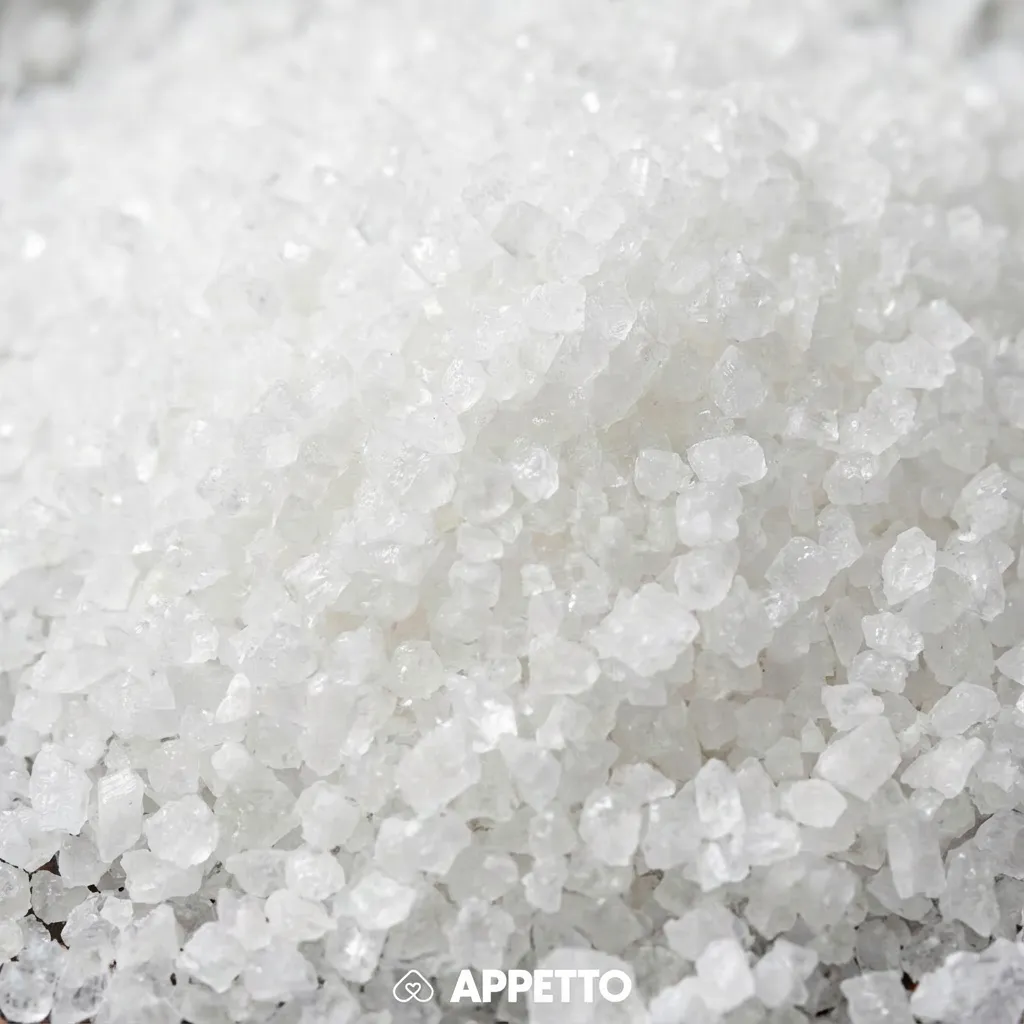
If you are wondering whether you can add a little flavor to your cat’s meal, it is important to know that salt is to be avoided.
Nutritional Value and Recommendations
Available data shows no nutritional benefits or value in giving salt to a cat. Recommendations emphasize that an excess of salt is dangerous, meaning it should not be intentionally added to their diet.
Potential Risks and Scientific Mechanisms
Consuming salt poses a nutritional risk due to its sodium content. A significant ingestion can lead to dehydration and a water-salt imbalance, potentially causing hypernatremia.
Scientifically, an excess of sodium creates an osmotic overload that can affect the cat’s nervous system. Whether the salt is in its raw form or used in cooked meals makes no difference; it acts as an irritating substance when consumed in excess.
Vulnerable Cats
Cats suffering from renal failure are very sensitive to sodium. The risks associated with salt ingestion are therefore heightened for these vulnerable animals.
Symptoms to Watch For
If a cat ingests too much salt, several symptoms may appear. You should monitor your pet for the following signs:
- Vomiting
- Diarrhea
- Excessive thirst
- Convulsions
What to Do in Case of Ingestion
If you suspect your cat has consumed a large amount of salt, keep a close eye on them to see if any of the aforementioned symptoms develop. If symptoms appear, persist, worsen, or seem concerning, it is highly recommended to contact a veterinarian. This article cannot evaluate the individual severity of the ingestion.
About APPETTO
APPETTO is an application designed to help users better understand the dietary needs of dogs and cats, allowing you to easily consult information about various foods. You can find more details at APPETTO.
This article is provided for informational purposes only and does not replace the advice or diagnosis of a veterinarian. A veterinarian should always be consulted in the event of concerning or persistent symptoms.