


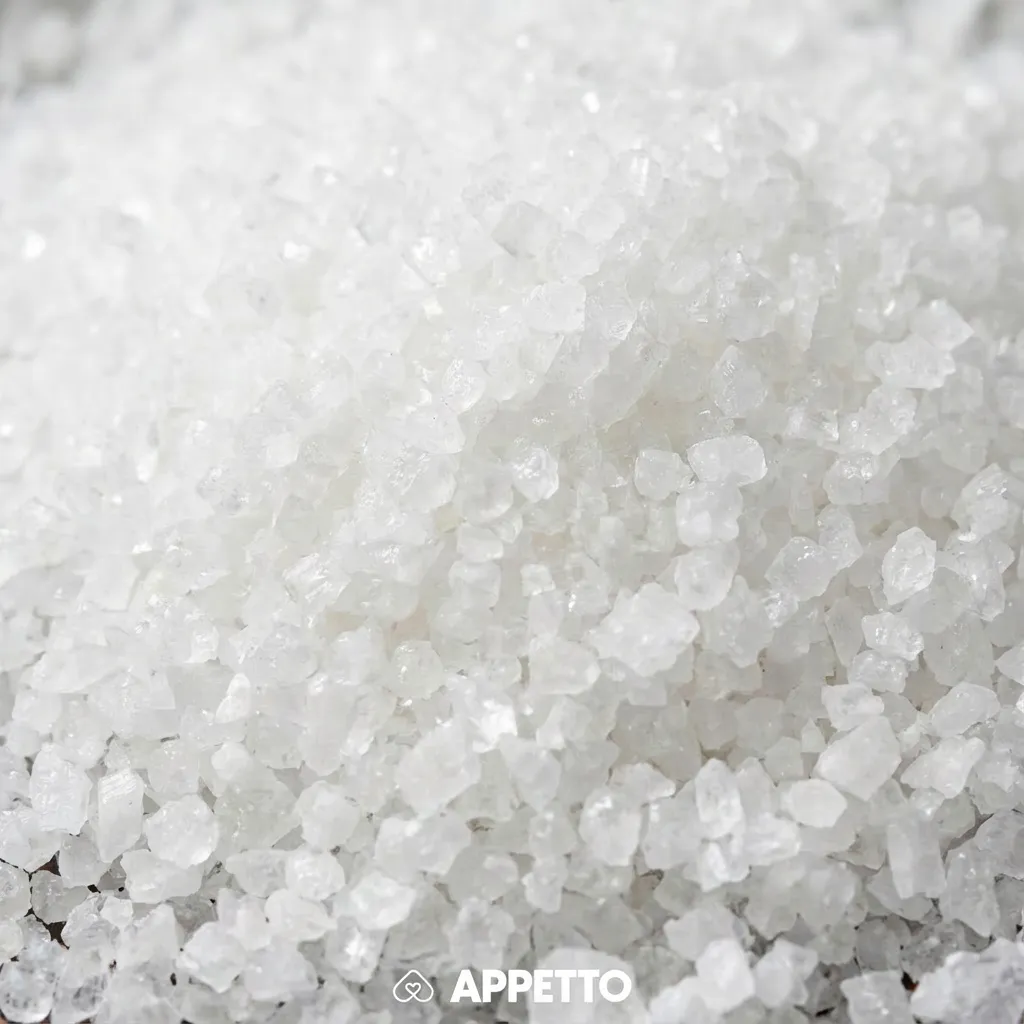
Many pet owners wonder, can dogs have salt? The answer is that salt is an ingredient to avoid in your dog’s diet.
Lack of Nutritional Benefits
According to the data, salt offers no nutritional value or health benefits for dogs. Whether ingested on its own or mixed into food, it can act as an irritating substance when consumed in excess.
Main Risks and Scientific Explanations
Giving salt to a dog carries significant nutritional risks.
The primary issue stems from sodium. High amounts of sodium can cause an electrolyte imbalance and severe dehydration. From a scientific perspective, sodium causes an increase in blood osmolarity, which directly impacts the brain and nerves.
Consequently, this can result in possible hypernatremia, leading to intense thirst, vomiting, and neurological disorders.
Vulnerable Dogs
Certain dogs are very sensitive to the effects of salt. This is especially true for dogs with cardiac or kidney issues, making it even more important to keep salt out of their reach.
Symptoms of Poisoning
If a dog consumes an excessive amount of salt, the following symptoms may appear:
- Vomiting
- Diarrhea
- Extreme thirst
- Tremors
- Convulsions
What to Do in Case of Ingestion
If your dog has ingested a large quantity of salt, monitor them closely for any of the signs listed above. If symptoms such as tremors, convulsions, or severe vomiting occur, persist, or seem concerning, contact a veterinarian. Keep in mind that this article cannot assess the individual severity of the ingestion.
About APPETTO
If you want to learn more about what your pets can and cannot eat, the APPETTO app is a helpful tool. It helps users better understand the diet of dogs and cats and allows you to consult information on various foods. You can download it here: APPETTO.
This article is provided for informational purposes only and does not replace the advice or diagnosis of a veterinarian. A veterinarian should always be consulted if concerning or persistent symptoms appear.