


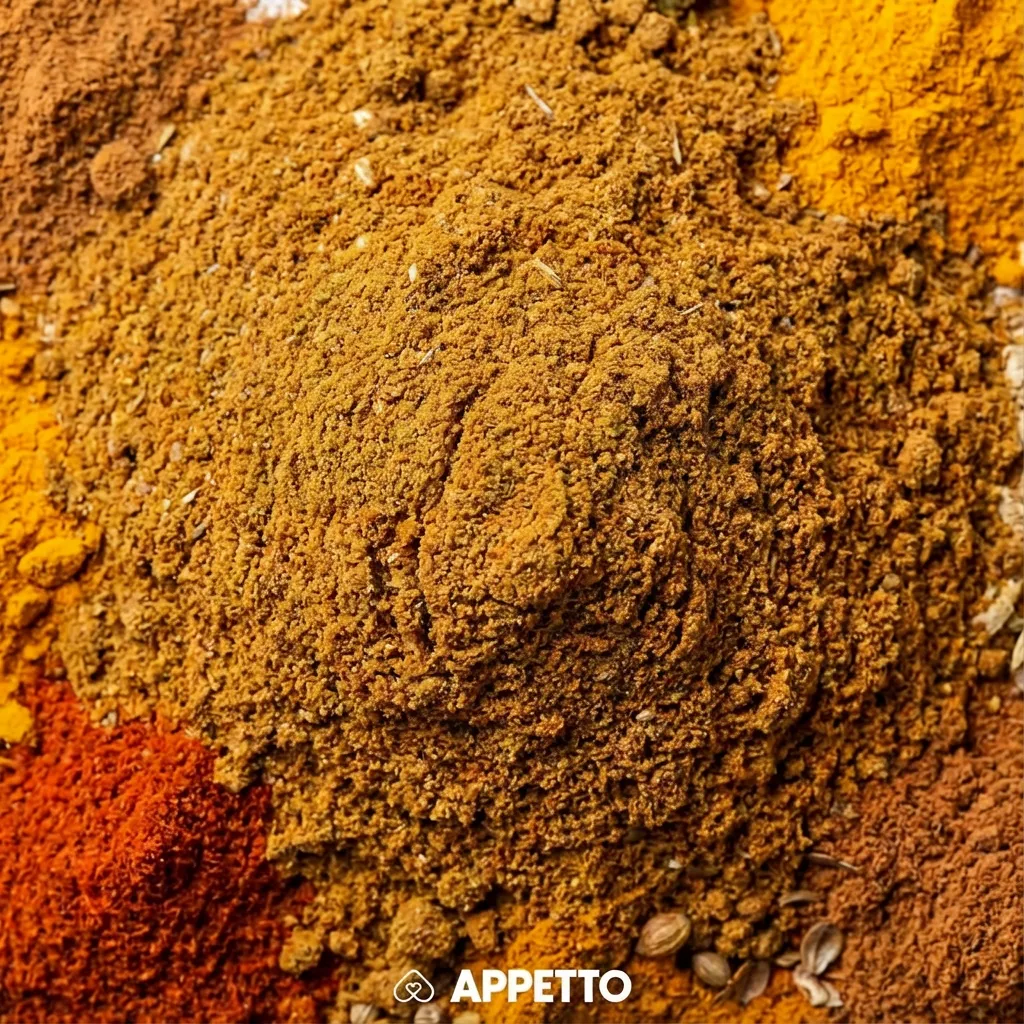
If you are wondering whether cats can safely consume RAS EL HANOUT, the simple answer is that it should be avoided. This spice blend offers no nutritional value or benefits for felines, and its ingestion is associated with several health risks.
Risks of Ras el Hanout for Cats
Cats are highly sensitive to spices, including those commonly found in this mix, such as cinnamon, nutmeg, clove, and chili. Ras el Hanout is a dry, irritating spice, and its effects remain indifferent to how it is prepared.
- Digestive and Oral Irritation: Strong spices present a nutritional risk by stimulating the pain receptors in a cat’s mouth and stomach. This can lead to a burning sensation in the mouth and severe digestive irritation.
- Chemical Toxicity (Eugenol): Cloves, which are often part of this blend, contain eugenol. This compound poses a specific chemical toxicity risk for cats, as it can cause liver damage (hepatotoxicity).
- Gastrointestinal Distress: The consumption of strong spices can naturally trigger digestive issues, notably vomiting and diarrhea.
Vulnerable Cats
While all cats should avoid this spice blend, older cats require extra caution. Senior felines tend to be much more sensitive to irritants compared to younger adult cats.
Symptoms to Watch For
If your cat accidentally ingests Ras el Hanout, you may notice the following symptoms:
- A burning sensation in the mouth
- Vomiting
- Diarrhea
What to Do if Your Cat Ingests It
In the event of accidental consumption, carefully monitor your cat for the symptoms mentioned above. Since this article cannot assess the individual severity of the ingestion, it is highly recommended to contact a veterinarian if any symptoms appear, persist, worsen, or seem concerning to you.
Discover APPETTO
If you want to better understand the diet of dogs and cats, and consult detailed information on various foods, the APPETTO application is designed to help you.
This article is provided for informational purposes only. It does not replace the advice or diagnosis of a veterinarian. A veterinarian should be consulted in the event of concerning or persistent symptoms.