


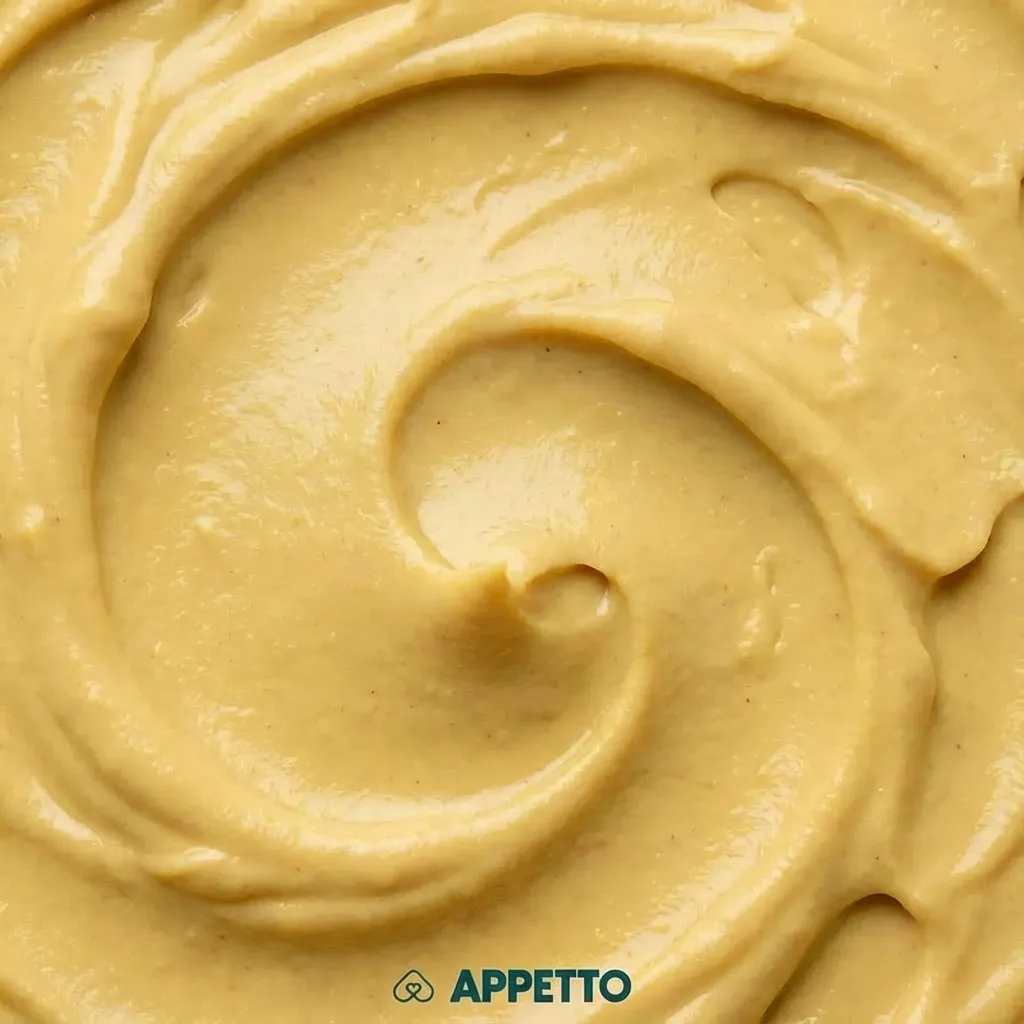
If you are wondering whether you can share mustard with your cat, be aware that this condiment is to be avoided. The available data highlights no nutritional value and no benefits for your feline friend. Instead, consuming it can lead to uncomfortable health issues.
Risks of Mustard for Cats
Mustard poses a risk of digestive irritation for cats. The problem stems from chemical toxicity, specifically related to the presence of sulfur glycosides. These compounds produce irritating isothiocyanates, notably allyl isothiocyanate, which can cause internal burns and severe digestive irritation.
The seeds are specifically identified as a problematic part of the plant for cats. Furthermore, whether in its raw or processed state, the natural components remain irritating.
Symptoms to Watch For
If your cat ingests mustard, poisoning symptoms may appear. The primary signs of irritation and toxicity include:
- Vomiting
- Diarrhea
What to Do in Case of Ingestion
If you suspect your cat has consumed mustard or its seeds, keep a close eye on them for the appearance of vomiting or diarrhea. If these symptoms manifest, persist, or seem worrying, it is advised to contact a veterinarian for proper guidance.
Learn More with APPETTO
To help you better understand the diet of dogs and cats and to check information about specific foods, you can use the APPETTO app.
This article is provided for informational purposes only. It does not replace the advice or diagnosis of a veterinarian. A veterinarian should be consulted if any concerning or persistent symptoms occur.