


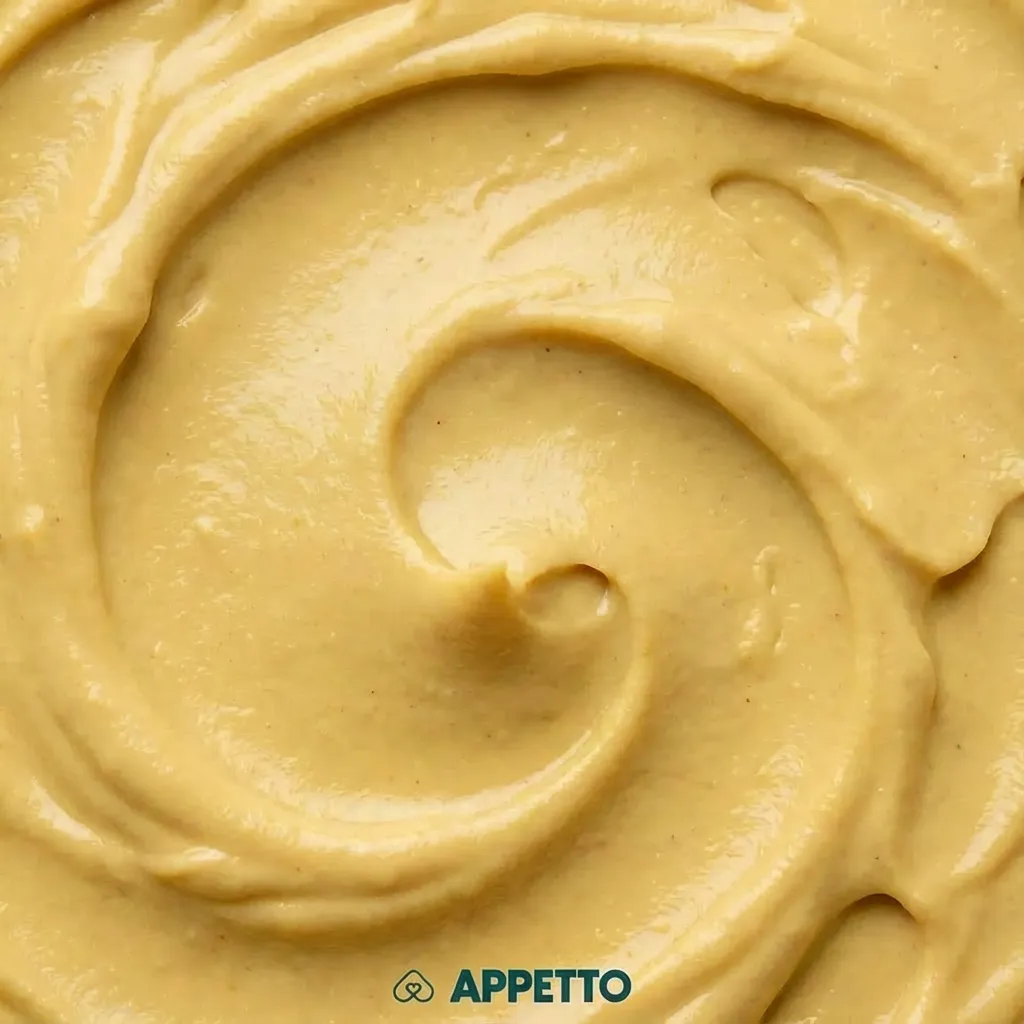
Feeding mustard to a dog is strongly advised against. This condiment is an food to avoid, as it poses several health risks and offers no nutritional benefits.
Why should mustard be avoided?
Data shows that mustard has zero nutritional value for dogs. Instead, it carries specific risks. Whether raw or cooked, it is irrelevant: mustard is naturally irritating in any state.
The main risks include:
- Chemical toxicity: Mustard contains sulfur glycosides, such as sinigrin. These compounds release allyl isothiocyanate, which causes burning of the mucous membranes and oral as well as gastric irritation.
- Mechanical risk: Mustard seeds are the specific part to watch out for, as they present a risk of intestinal obstruction.
Consequently, veterinary sources list mustard and its seeds among toxic substances and irritating spices for dogs.
Symptoms to watch for
If a dog ingests mustard, poisoning signs can occur. The symptoms to monitor include:
- Hypersalivation;
- Vomiting;
- Diarrhea.
What to do if ingestion occurs?
If your dog has eaten mustard, monitor them closely for any of the symptoms listed above. If hypersalivation, vomiting, or diarrhea appear, or if you are concerned about your dog’s reaction, contact a veterinarian. This article cannot evaluate the individual severity of the ingestion.
Learn more about your pet’s diet with APPETTO
The APPETTO application helps users better understand the diet of dogs and cats by providing information on various foods. You can find more details by visiting APPETTO.
This article is provided for informational purposes only and does not replace the advice or diagnosis of a veterinarian. A veterinarian should always be consulted in the event of concerning or persistent symptoms.