


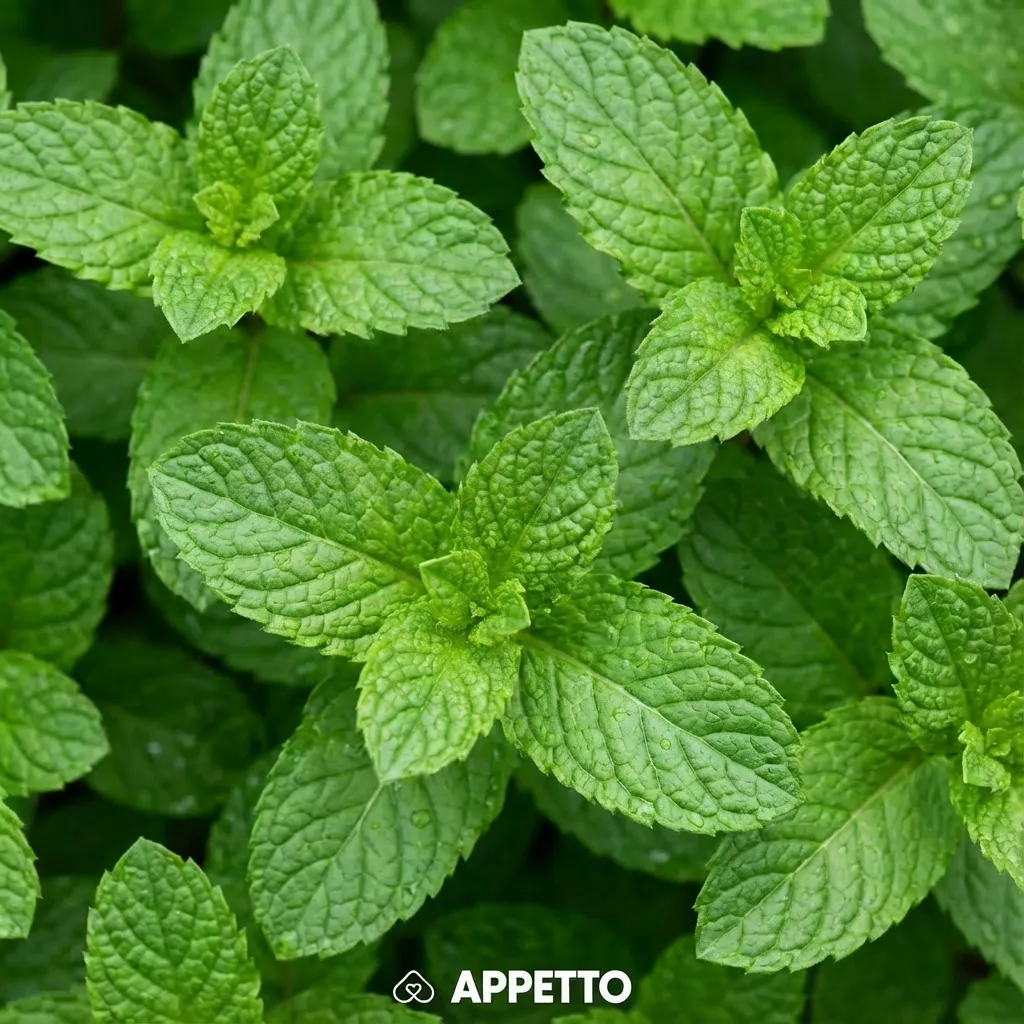
Giving mint to your dog is allowed in moderation. While common varieties of this herb are generally safe in small quantities, it must be offered carefully.
Benefits of Mint for Dogs
Mint can help freshen a dog’s breath and aid digestion. However, its overall nutritional value is considered low.
How to Safely Feed Mint to Your Dog
It is recommended to offer mint occasionally and in very small quantities. You can give your dog a few raw leaves, provided they are finely chopped. The leaves are the appropriate part to consume. Care should be taken with the stems, as their coarse fibers present a mechanical risk and can cause discomfort if they are not chopped.
Vulnerable Dogs and Contraindications
Mint should be avoided for diabetic dogs and those suffering from esophageal disease. Furthermore, puppies and senior dogs are more sensitive to dietary changes, so extra caution is necessary.
Risks and Symptoms to Monitor
Excessive consumption of mint can lead to gastrointestinal issues. Menthol, the essential oil found in mint, acts as a digestive irritant at high doses and can cause vomiting. Consuming too much of the herb can also result in loose stools. The main poisoning symptoms to watch for in case of excess include:
- Vomiting
- Diarrhea
What to Do if Symptoms Appear
If your dog has eaten a large amount of mint, monitor them closely for any digestive upset. If symptoms like vomiting or diarrhea occur, persist, or seem concerning, contact a veterinarian.
About APPETTO
To learn more about your pet’s diet, you can download the APPETTO app. It helps users better understand the dietary needs of dogs and cats. Find out more at APPETTO.
This article is provided for informational purposes only and does not replace the advice or diagnosis of a veterinarian. Please consult a veterinary professional if your pet experiences persistent or concerning symptoms.