


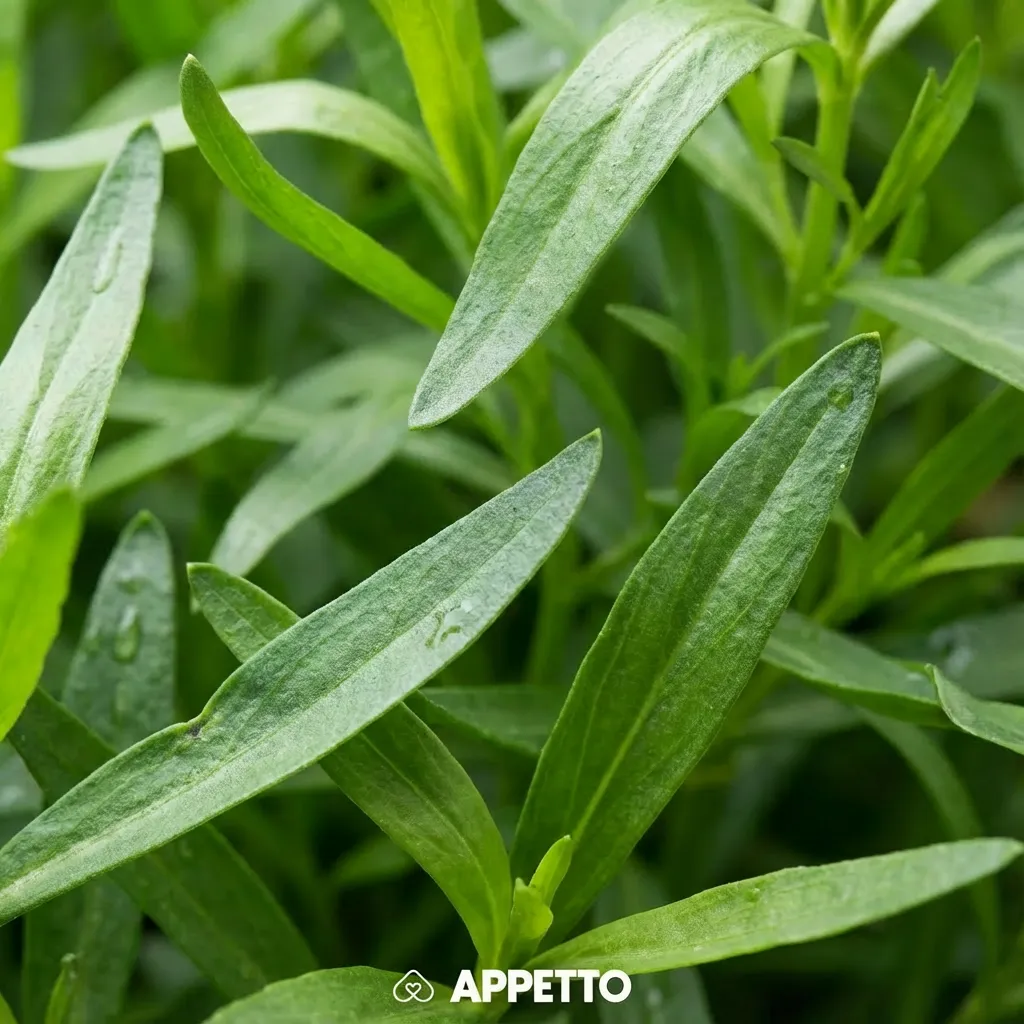
It is common to wonder if the herbs we use in our kitchens are safe for our pets. When it comes to tarragon, the answer is clear: it is strictly forbidden for dogs. This plant offers no nutritional benefits, and the risks associated with its ingestion far outweigh any possible utility.
Why is tarragon dangerous for dogs?
Tarragon contains chemical compounds that can be toxic to dogs. The primary concern is estragole (also known as methylchavicol), which acts as a digestive irritant. It can cause irritation of the gastric mucosa, and this effect is dose-dependent. Furthermore, the phenols and terpenes found in the plant’s essential oils can cause a hepatic metabolic overload, presenting a risk of possible liver damage.
Toxic parts and forms to avoid
All parts of the plant must be kept away from dogs. The leaves, stems, and extracted essential oils are specifically identified as harmful. Whether the herb is presented raw or dried, it remains toxic and should never be offered to your pet.
Are some dogs more vulnerable?
While this herb is strictly prohibited for all dogs, certain individuals are even more sensitive to its effects. Puppies and dogs already suffering from liver diseases are particularly vulnerable and at higher risk if exposed.
Symptoms to watch for and what to do
If your dog ingests tarragon, they may experience several signs of poisoning. The main symptoms to monitor include:
- Vomiting
- Diarrhea
- Hypersalivation
- Lethargy
If you suspect your dog has eaten this plant, it is advised to closely monitor them for these signs of digestive irritation and toxicity. If any symptoms appear or if you are concerned, you should consult a veterinarian.
Learn more with the APPETTO app
To better understand your dog’s diet and easily check information about various foods, you can download the APPETTO app. It helps users consult reliable information for their pets daily. Visit https://www.download.appetto.co.
This article is provided for informational purposes only and does not replace the advice or diagnosis of a veterinarian. Always consult a veterinary professional if your pet shows concerning or persistent symptoms.