


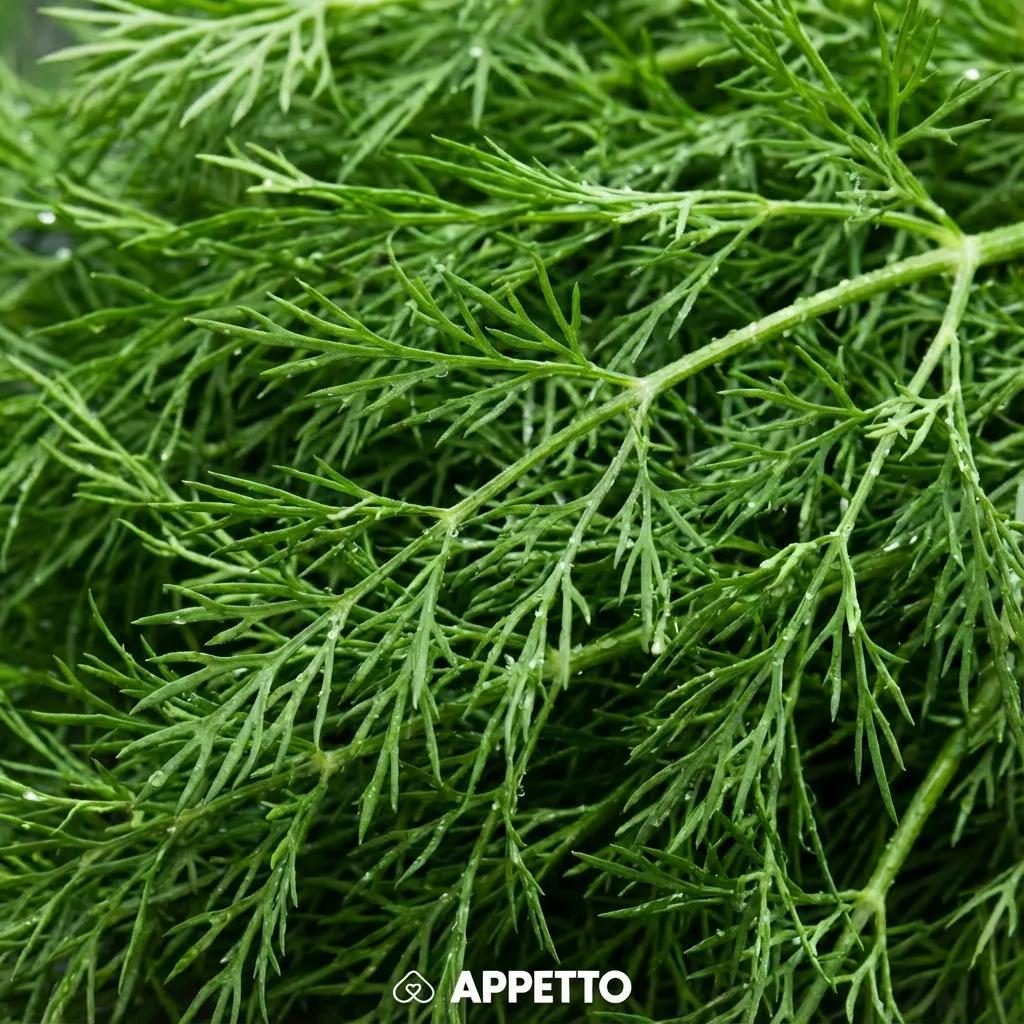
Can cats eat dill? This aromatic herb is authorized in moderation, provided a few rules are followed regarding its preparation and dosage.
Benefits and Nutritional Value
Chopped dill can stimulate the appetite and slightly soothe digestion. However, its overall nutritional value is low. Scientifically, it contains carvone and limonene, which offer a carminative action that reduces intestinal fermentation. It also provides flavonoids, delivering a modest antioxidant effect for cellular protection.
Only the leaves should be offered to your cat. You can give fresh chopped leaves in very small amounts, and it does not matter if they are served raw or cooked.
Risks and Parts to Avoid
Hard stems and concentrated essential oils must be avoided. The herb presents a mechanical risk, as unchopped stringy stems can hinder swallowing. An excess of herbs carries a nutritional risk that disrupts digestion, leading to digestive irritation. Furthermore, concentrated essential oils represent a chemical toxicity risk because they irritate the mucosa. Cats with a sensitive digestive tract are particularly vulnerable.
Symptoms to Monitor
If a cat consumes an excessive amount of dill, symptoms may appear. You should monitor for vomiting, diarrhea, and hypersalivation.
What to Do
Should these signs occur, closely observe your pet and contact a veterinarian if the symptoms are concerning or persistent.
About APPETTO
The APPETTO application helps users better understand the diet of dogs and cats by allowing them to consult information on various foods.
This article is provided for informational purposes only. It does not replace the advice or diagnosis of a veterinarian. A professional should be consulted in the event of concerning or persistent symptoms.