


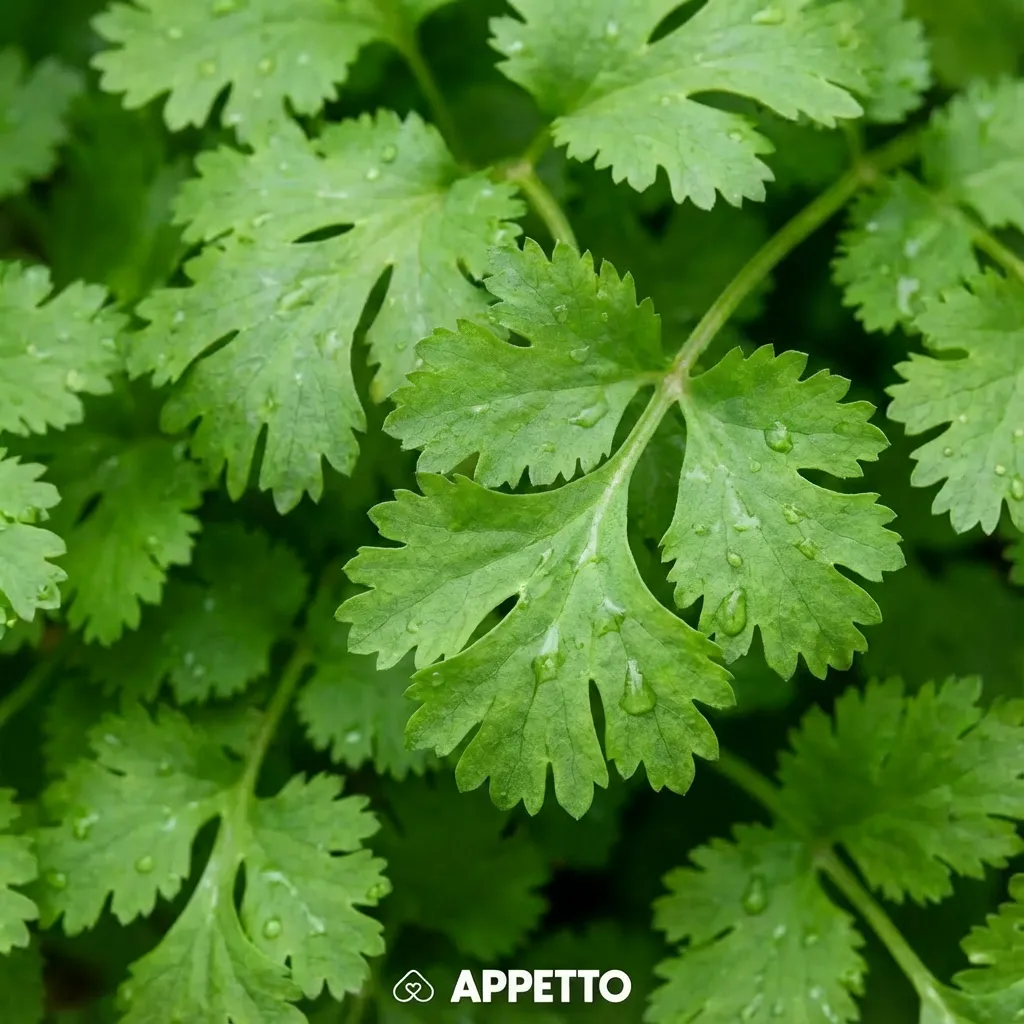
Are you wondering if you can feed coriander seeds to your dog? The answer is yes, this food is allowed in moderation. Although its overall nutritional value is low, coriander offers some interesting properties when given in small amounts.
Benefits of Coriander Seeds for Dogs
Information suggests that coriander seeds are not toxic at home and can provide certain benefits. They are particularly known to help the animal’s digestion, acting on gas, bloating, and nausea.
Scientifically, these benefits are explained by:
- The presence of a trace of essential oil, which provides a mild carminative effect.
- The presence of polyphenols, which offer antioxidant activity.
In addition, antibacterial and antifungal properties are associated with this spice, and a possible antiparasitic effect is also cited.
Preparation and Allowed Parts
When offering coriander to your dog, it is recommended to use ground seeds. Whether they are raw or cooked is indifferent. However, it is essential to use small pinches and to introduce this food gradually into their diet.
Risks of Excessive Consumption
While coriander is allowed, an excess can lead to complications. The main risk is nutritional, related to the fibers and the nature of the spice. Too large a quantity can cause gastrointestinal disorders, potentially leading to loose stools.
Furthermore, caution is required for puppies and senior dogs, as these animals are more vulnerable.
Symptoms to Watch For
If your dog consumes coriander seeds in excess, certain signs may indicate poor tolerance. You should monitor for the appearance of:
- Vomiting
- Diarrhea
What to Do in Case of Excessive Ingestion
If your dog has eaten too much coriander, it is important to carefully monitor the symptoms mentioned above. If digestive signs appear, persist, or seem concerning, it is recommended to contact a veterinarian for appropriate advice.
Understanding Pet Nutrition with APPETTO
To assist you with your pets’ nutritional choices, the APPETTO application helps you better understand the diet of dogs and cats. You can consult detailed information on many foods. Feel free to download it at APPETTO.
This article is provided for informational purposes and in no way replaces the advice or diagnosis of a veterinary professional. A veterinarian should be consulted in the event of concerning or persistent symptoms in your dog.