


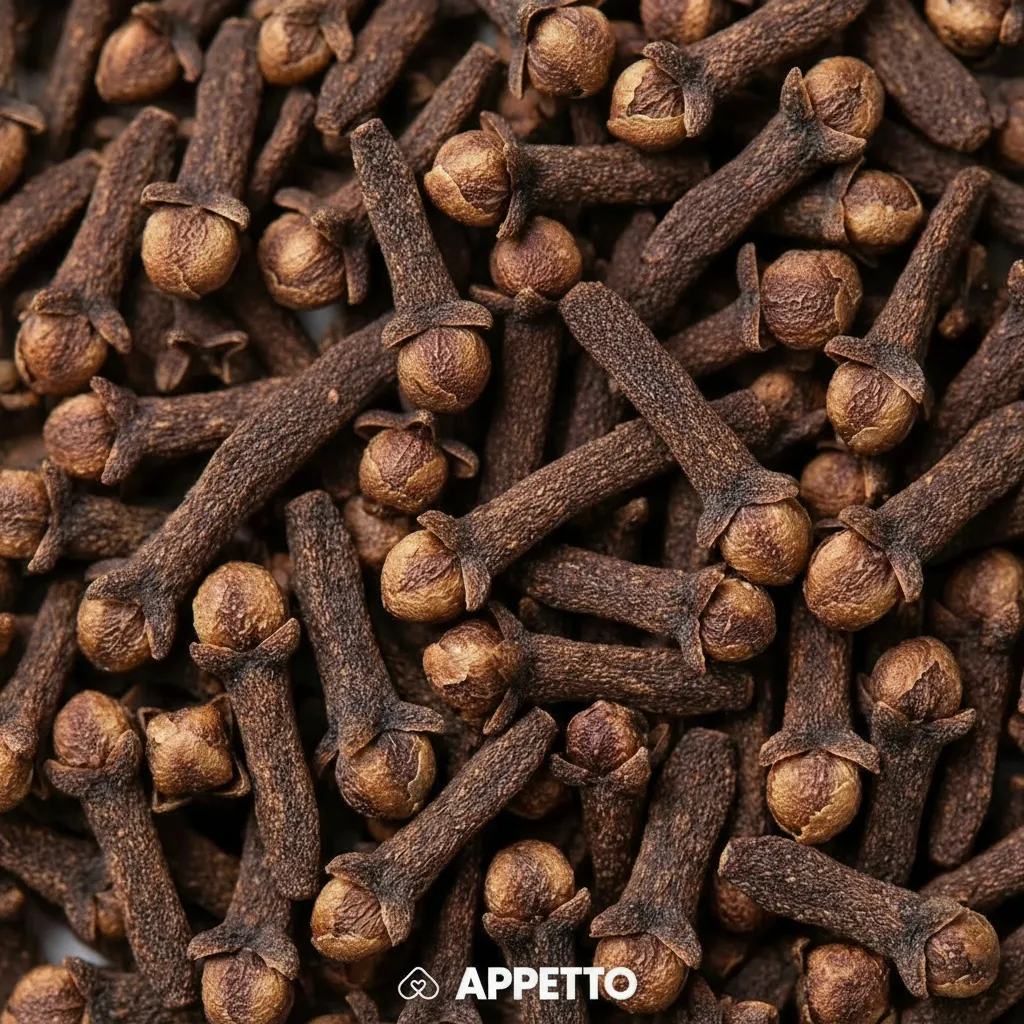
Feeding clove to a dog is generally to be avoided. While a single isolated clove should not intoxicate a medium-sized dog, the free use of this spice is not recommended due to potential health risks.
No nutritional value
The available data shows no nutritional benefits for dogs associated with eating clove. Its nutritional value for this species is considered to be zero.
What are the risks for dogs?
The main risk associated with clove is related to eugenol, a chemical compound that relies on liver metabolism. At high doses, this can overload the liver and potentially lead to liver damage or toxicity. Essential oils and large quantities pose the highest risks and represent the worst forms of exposure. Whether the clove is raw or cooked does not change the fact that it should be avoided, especially in the form of essential oil.
Additionally, a whole clove presents a mechanical risk, as it can be a choking hazard for dogs.
Vulnerable dogs
Because eugenol is metabolized in the liver, dogs suffering from liver disease are considered more at risk when exposed to this compound.
Symptoms to watch for and what to do
Ingesting a high dose of clove or eugenol can lead to several symptoms, including:
- Vomiting
- Drooling
- Respiratory difficulties or distress
If your dog has ingested clove and exhibits any of these symptoms, or if the ingestion concerns you (particularly if it involves essential oils or a large amount), you should contact a veterinarian.
Learn more about pet nutrition with APPETTO
To help you navigate your pet’s diet, the APPETTO application allows you to better understand the nutrition of dogs and cats and consult information on various foods. You can download it here: https://www.download.appetto.co.
This article is provided for informational purposes only and does not replace the advice or diagnosis of a veterinarian. A veterinary professional must be consulted in the event of concerning or persistent symptoms.