


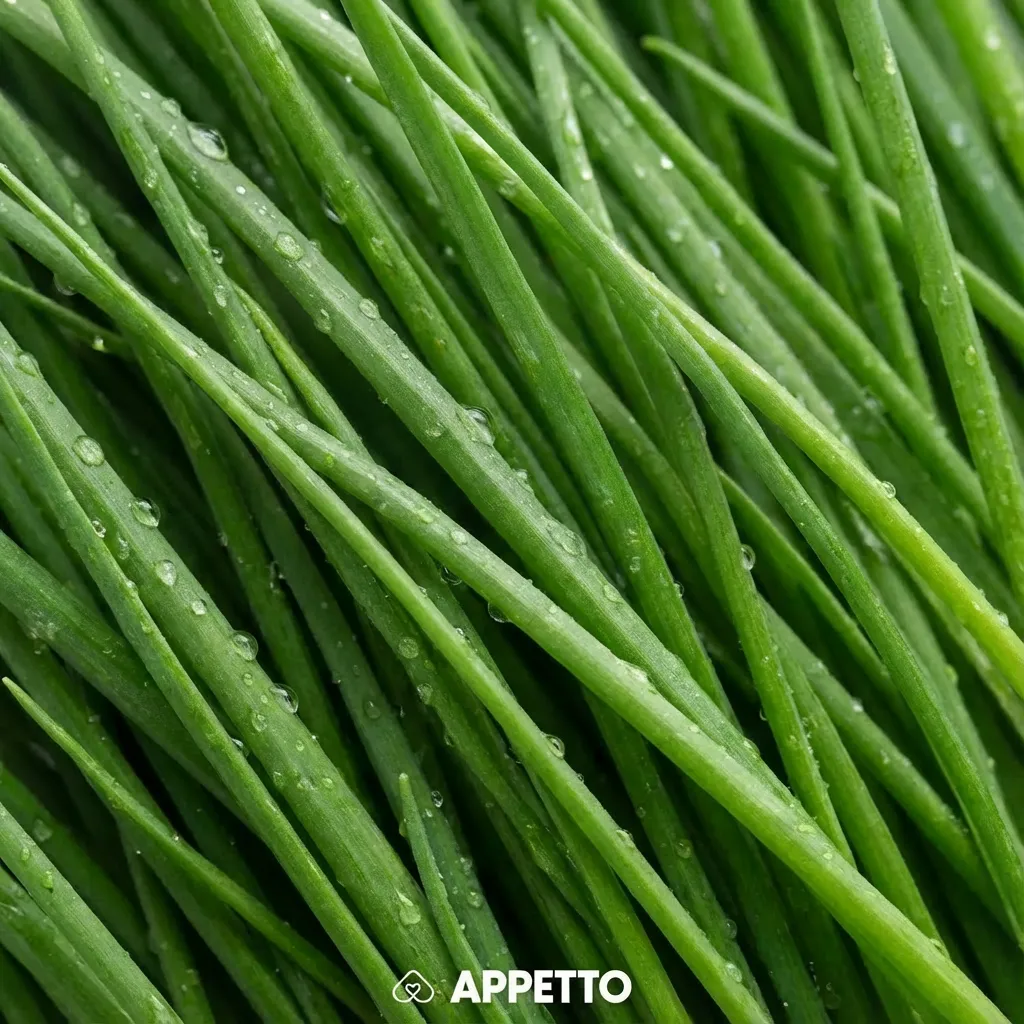
Are chives safe for cats?
No, chives are strictly forbidden for cats. Belonging to the Allium family, this herb is highly toxic to felines. The available data shows no nutritional value or health benefits in feeding chives to your cat.
Understanding the risks and toxicity
The danger of chives comes from their specific chemical compounds and how they can affect a cat’s body over time:
- Chemical toxicity: Chives contain thiosulfates and organosulfur compounds. These substances can cause erythrocyte oxidative stress, leading to the oxidation of hemoglobin and the formation of Heinz bodies.
- Hemolytic anemia: This oxidative process can ultimately lead to hemolytic anemia (the destruction of red blood cells) and hemoglobinuria.
- Cumulative risk: The toxicity has a cumulative effect. Giving your cat repeated small doses increases the overall toxicity in their system.
Are cooked chives safe?
No preparation method makes this herb safe. Chives remain toxic in all forms, whether they are fresh, cooked, or powdered.
Poisoning symptoms to watch for
If a cat consumes chives, they may display several signs of poisoning. Symptoms can include:
- Vomiting
- Diarrhea
- Weakness
- Pale mucous membranes
- Dark urine
What to do in case of ingestion
If you suspect your cat has eaten chives, or if any of the symptoms mentioned above appear, contact a veterinarian immediately. Allium poisoning can be serious and requires professional veterinary evaluation.
Frequently Asked Questions
Can a small piece of chive harm my cat?
Yes. Because the toxins have a cumulative effect, even small amounts given repeatedly can increase the toxicity and put your cat at risk.
Does drying or powdering chives remove the toxins?
No. Chives are completely toxic whether they are raw, cooked, or in powder form.
Learn more with APPETTO
To better understand your cat’s dietary needs and check the safety of various ingredients, you can use the APPETTO app. It helps users consult information on a wide range of foods for pets.
This article is provided for informational purposes only and does not replace the advice or diagnosis of a veterinarian. A veterinarian should always be consulted if concerning or persistent symptoms appear.