


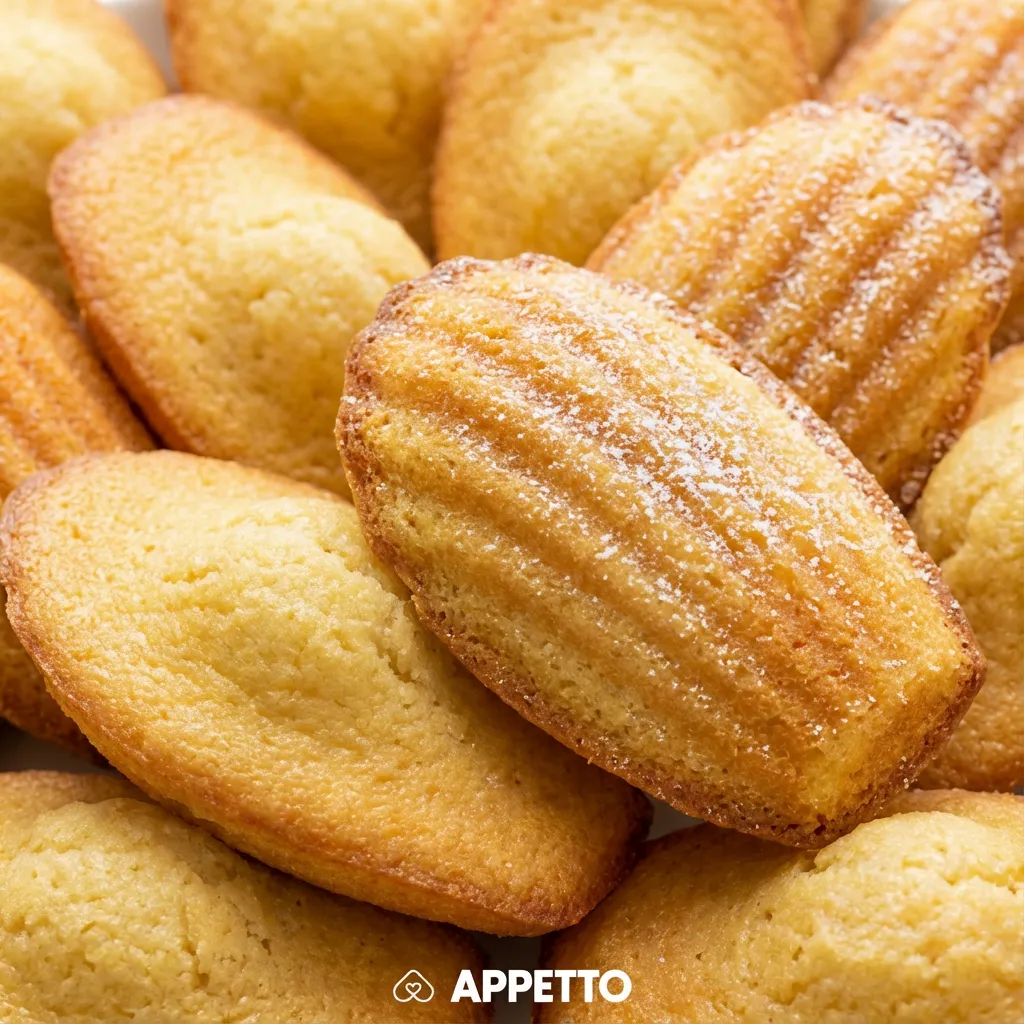
Madeleines are sweet and buttery cakes commonly enjoyed by humans. However, when it comes to feeding them to a dog, they are to be avoided. Human treats are generally unsuitable for pets, and uncertain data suggests it is best to avoid them as a precaution.
Nutritional Value
There are no nutritional benefits for dogs. The nutritional value of a madeleine for a dog is completely null.
Main Risks
Feeding madeleines to a dog involves several risks:
- Fats and Pancreatitis: The high fat content in these cakes promotes pancreatic inflammation. This can lead to caloric overload, weight gain, and an increased risk of pancreatitis.
- Sugars and Metabolic Imbalances: The sugars present in madeleines can cause metabolic imbalances and diarrhea. Over time, this contributes to a risk of obesity and diabetes. Additionally, any sweeteners that might be included in such human biscuits are strictly to be banned.
- Mechanical Risk: The compact bites of a madeleine pose a choking hazard, which is especially dangerous for dogs of small sizes.
Vulnerable Dogs
Overweight dogs and those with a history of or a predisposition to pancreatitis are particularly at risk if they consume this food.
Symptoms to Watch For
If your dog ingests a madeleine, the following symptoms may appear:
- Vomiting
- Diarrhea
- Abdominal pain
What to Do in Case of Ingestion
If your dog has eaten a madeleine, carefully monitor them for the symptoms listed above. You should contact a veterinarian if any symptoms appear, persist, or seem concerning.
About APPETTO
The APPETTO app can help you better understand the diet of dogs and cats by allowing you to consult information on a wide variety of foods. You can download it here: https://www.download.appetto.co.
This article is provided for informational purposes only. It does not replace the advice or diagnosis of a veterinarian. A veterinarian should be consulted in case of concerning or persistent symptoms.