


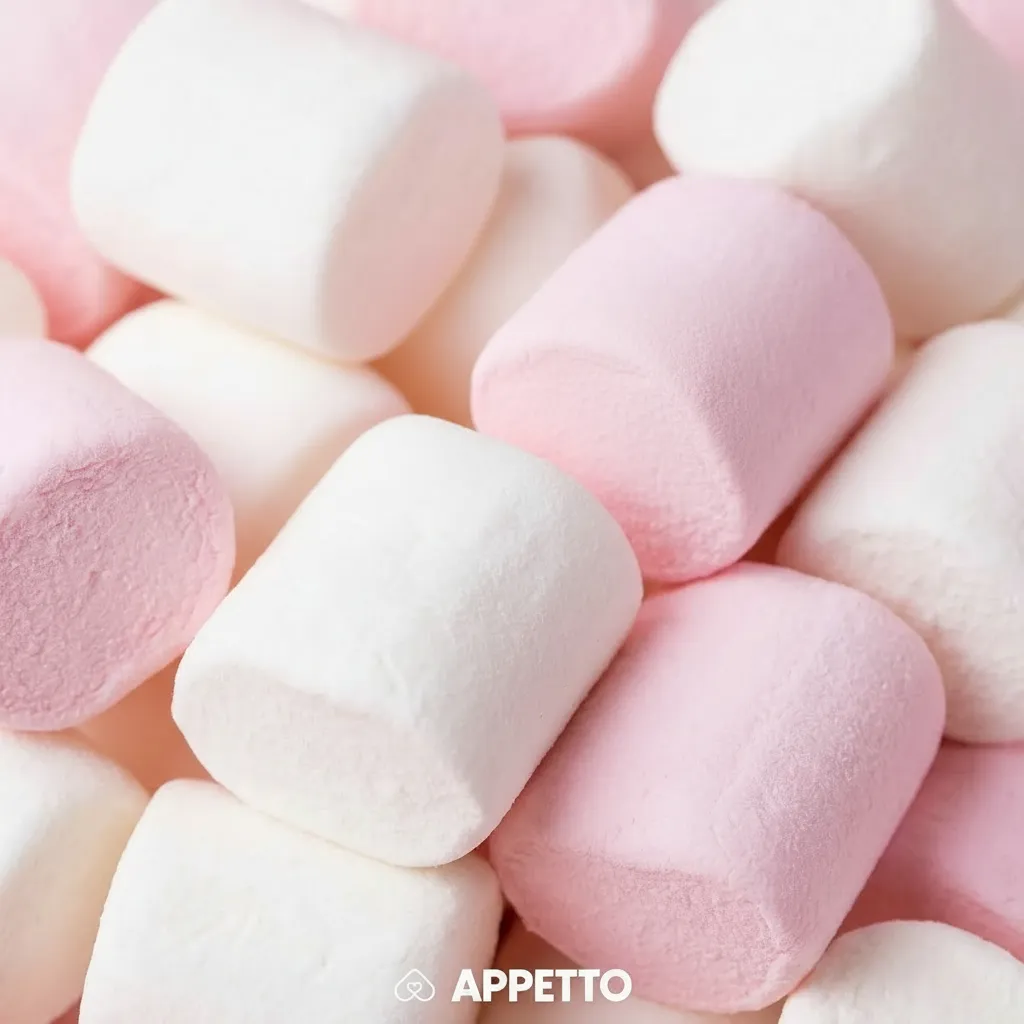
You might wonder if you can share a sweet treat with your feline friend. However, feeding marshmallows to a cat is to be avoided. The data shows that this confectionery has zero nutritional value and offers no benefits for your pet.
Main risks of marshmallows for cats
Eating marshmallows carries several risks for your cat’s health:
- Nutritional risk: Marshmallows are very rich in sugar, which can cause a glycemic imbalance. This can lead to digestive issues, obesity, and an increased risk of diabetes.
- Mechanical risk: The sticky texture of a marshmallow presents a hazard of choking or obstruction.
- Chemical toxicity: Sugar-free versions sometimes contain xylitol, which is toxic. This substance triggers an insulin hypersecretion, resulting in severe hypoglycemia.
Vulnerable animals
Kittens, as well as obese or diabetic cats, are particularly vulnerable to the harmful effects of eating marshmallows.
Symptoms to watch and what to do
If your cat has ingested a marshmallow, certain symptoms may appear. You should monitor your cat for:
- Vomiting;
- Diarrhea;
- Hypoglycemia;
- Convulsions (if xylitol was present).
If any of these symptoms appear, persist, or seem concerning, it is highly recommended to contact a veterinarian.
Learn more with APPETTO
To help users better understand the diets of dogs and cats, you can download the APPETTO app. It allows you to consult information on a wide variety of foods.
This article is for informational purposes only. It does not replace the advice or diagnosis of a veterinarian. A veterinarian should be consulted in the event of concerning or persistent symptoms.