


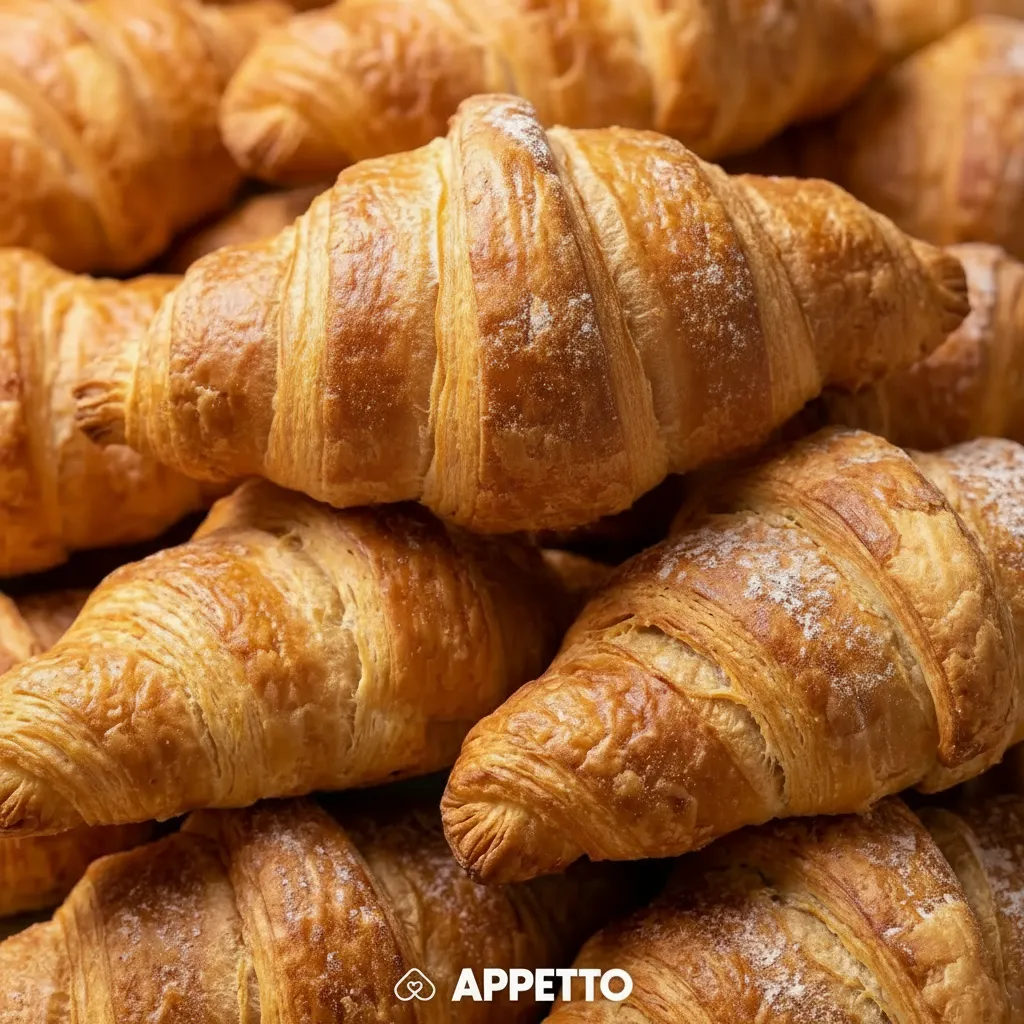
Are croissants safe for cats?
If you are wondering whether you can feed croissants to your cat, it is important to know that this food is to avoid.
Nutritional value
The available data shows no nutritional value and no health benefits for cats.
Health risks and scientific explanations
Croissants contain high amounts of sugars and fats, presenting several risks:
- Sugars and fats: Consuming these can lead to long-term weight gain and diabetes. Sugars cause a glycemic imbalance that affects glucose metabolism, favoring obesity and diabetes. Fats cause a pancreatic overload, which can result in an inflammation of the pancreas (pancreatitis).
- Lactose: Croissants may contain lactose, which can cause diarrhea in intolerant cats.
- Packaging: There is a mechanical risk associated with the packaging. If swallowed, it presents a risk of obstruction.
General guidelines strongly advise against giving salty or sugary human foods, such as bread and pastries, to cats. Additionally, cooking does not remove the sugar or fat, meaning cooked croissants are just as unsuited.
Vulnerable animals
Kittens, senior cats, obese cats, and those with a history of pancreatitis or diabetes are particularly vulnerable to these risks.
Symptoms to monitor
If your cat ingests a croissant, you may notice symptoms such as vomiting, diarrhea, and lethargy.
What to do if your cat eats a croissant
If your cat has eaten this food, monitor them closely. If symptoms appear or persist, contact a veterinarian.
About APPETTO
The APPETTO application helps users better understand dog and cat nutrition by providing information on various foods. You can download it at APPETTO.
This article is provided for informational purposes only and does not replace veterinary advice or diagnosis. Always consult a veterinarian if concerning or persistent symptoms appear.