


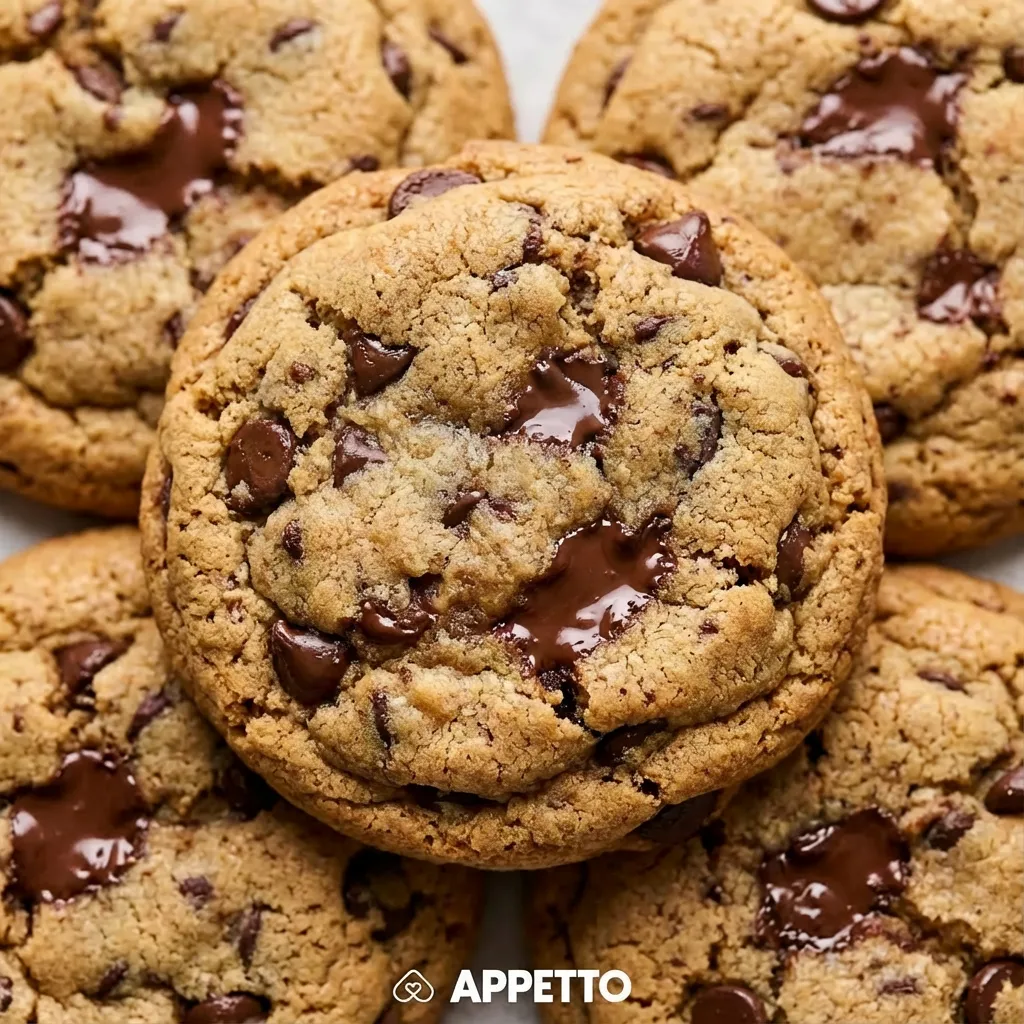
There are divergent opinions regarding whether cats can safely eat cookies. Due to uncertain data regardless of whether they are raw or cooked, it is strongly recommended to avoid them as a precaution.
Nutritional Value
The available data does not highlight any health benefits. The nutritional value of cookies for cats is considered zero.
Main Risks and Scientific Mechanisms
Cookies contain high levels of sugar and fats, which can lead to a metabolic overload in cats. The sugars present a nutritional risk that can favor weight gain and the onset of diabetes. Furthermore, the high fat content can trigger pancreatitis in sensitive subjects. Depending on the recipe, cookies may also present a risk of chemical toxicity through specific ingredients:
- Chocolate: It contains theobromine, which is both cardiotoxic and neurotoxic to felines.
- Raisins: There are reported cases where their ingestion has led to renal damage.
- Xylitol: This artificial sweetener is another toxic ingredient sometimes found in cookie recipes.
Vulnerable Cats and Poisoning Symptoms
Kittens, senior cats, diabetic cats, and those with a history of pancreatitis are particularly vulnerable to these risks. If a cat ingests these toxic ingredients, poisoning symptoms may appear, including vomiting, diarrhea, and abdominal pain. If chocolate was consumed, tremors and convulsions may also occur.
What to Do in Case of Ingestion
If your cat has eaten cookies and symptoms appear, persist, or seem concerning, it is advised to contact a veterinarian to properly assess the situation.
About APPETTO
To help you better understand the dietary needs of cats and dogs, you can use the APPETTO application. It allows you to consult information on a variety of foods. You can download it here: https://www.download.appetto.co.
This article is provided for informational purposes only and does not replace the advice or diagnosis of a veterinarian. A veterinarian should always be consulted in the event of concerning or persistent symptoms.