


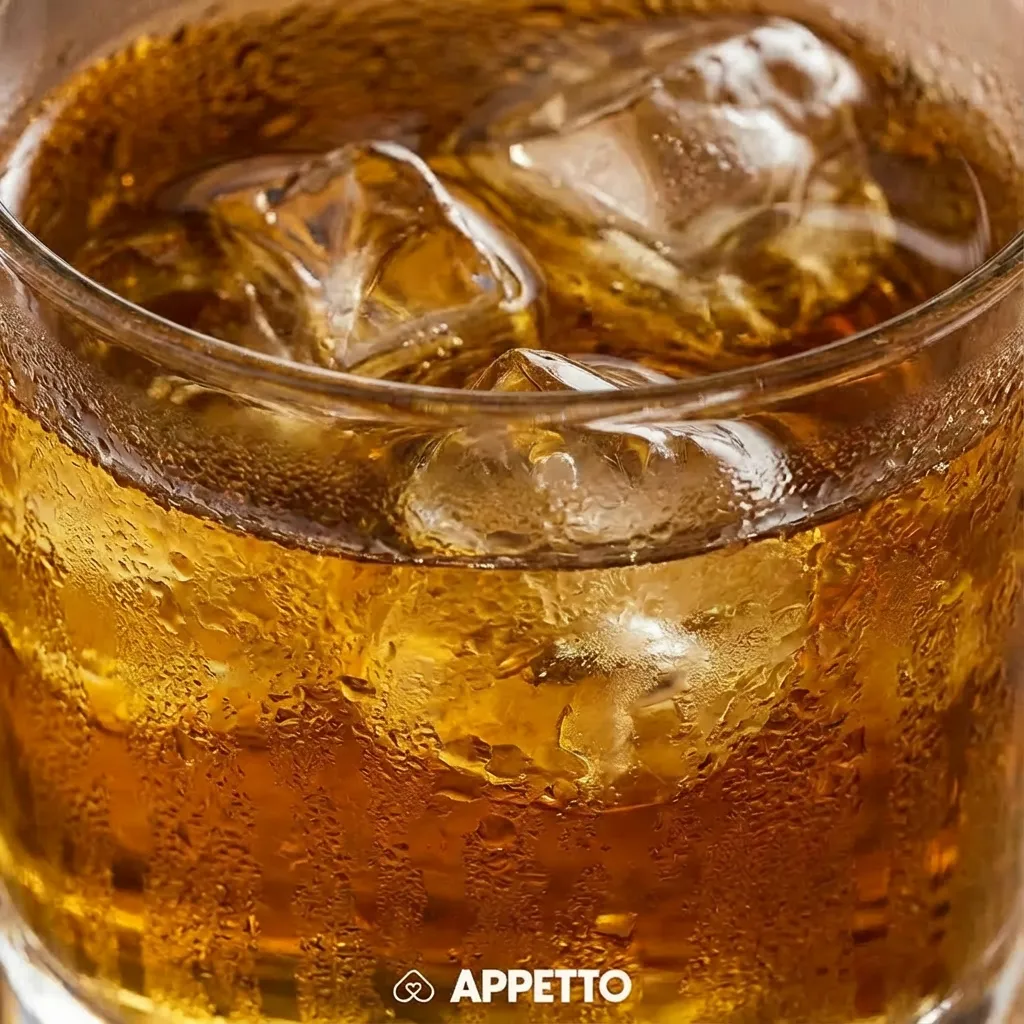
Whiskey is strictly forbidden for cats. The ethanol it contains is highly toxic, making even a very small amount extremely dangerous.
Main Risks
There is no nutritional benefit to whiskey; it provides only empty calories. The primary danger comes from its chemical toxicity. Ethanol can cause severe neurological and respiratory distress in felines. Strong alcohols like whiskey are known to be even more dangerous than lighter options such as beer or cider, and no form of alcohol should ever be given to cats.
Scientific Explanations
When consumed, ethanol causes central sedation, which severely alters the cat’s coordination and respiration. Furthermore, it disrupts the body’s thermoregulation mechanisms, leading to hypothermia.
Poisoning Symptoms and Vulnerable Cats
Clinical signs of poisoning typically appear between 15 minutes and 2 hours after ingestion, often starting with agitation before progressing to prostration. You should monitor your cat for the following symptoms:
- Vomiting
- Lethargy
- Ataxia (loss of coordination)
- Hypothermia
Kittens are particularly vulnerable to alcohol toxicity. Because they have an immature metabolism, the risk of severe poisoning is significantly higher for them.
What to Do In Case of Ingestion
If you notice any of these symptoms or suspect that your cat has ingested whiskey, contact a veterinarian immediately.
Learn More About Your Pet’s Diet
To help you better understand the dietary needs of dogs and cats, you can download APPETTO. The application allows users to easily consult information about various foods.
This article is provided for informational purposes only and does not replace the advice or diagnosis of a veterinarian. A veterinarian should always be consulted if any concerning or persistent symptoms appear.