


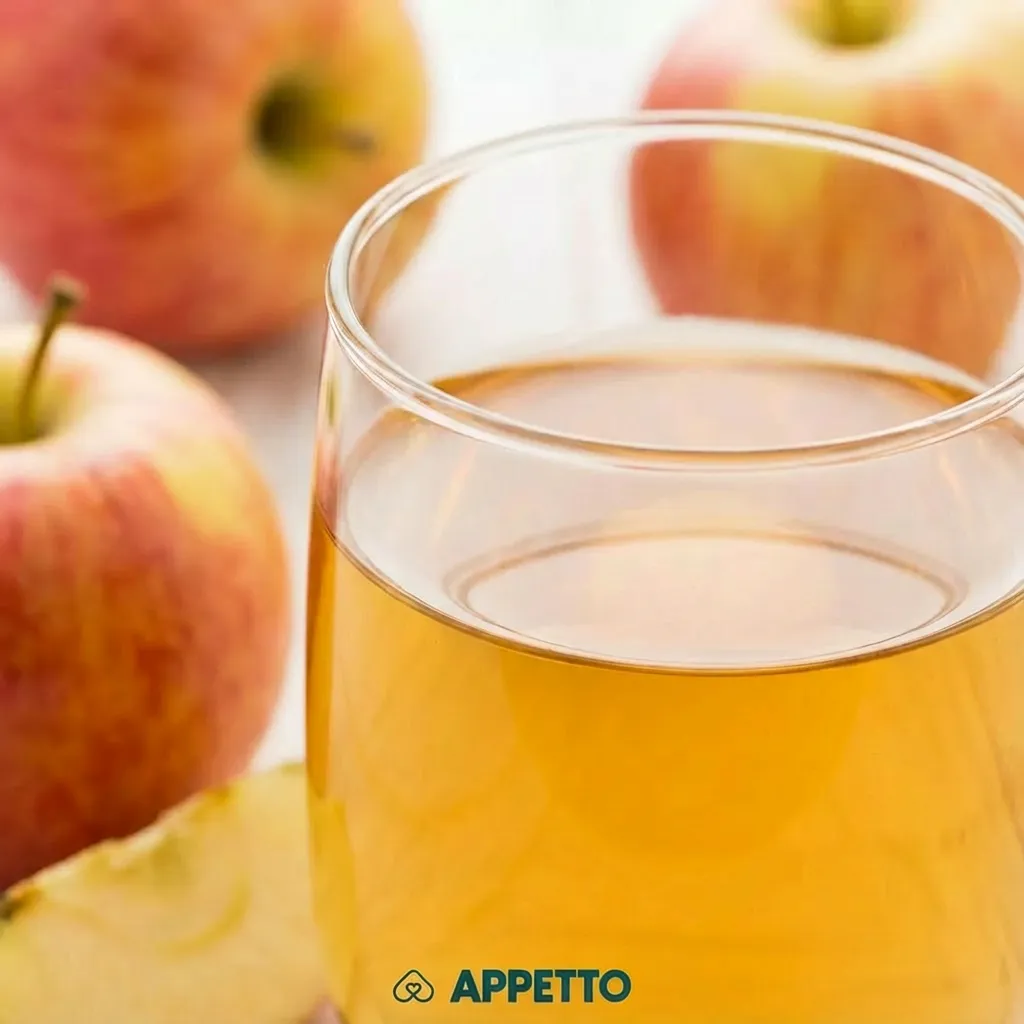
Cat owners sometimes wonder if they can share their favorite drinks with their feline companions. Can cats drink apple juice? Simply put, apple juice is to be avoided for cats.
No Nutritional Benefits
Apple juice is a sweet beverage that provides no nutritional value or health benefits for cats.
Main Risks and Scientific Explanations
Offering apple juice to a cat involves several potential issues:
- High Sugar Content: The significant amount of sugar in apple juice presents a nutritional risk, potentially leading to being overweight and metabolic imbalances.
- Dental Risks: Exposure to simple sugars favors cavities. Scientifically, these simple sugars promote dental plaque and gingival inflammation.
- Toxic Traces (Cyanogenic Glycosides): If the juice contains traces of seeds, there is a risk of exposure to cyanogenic glycosides. These are toxic traces that must be strictly excluded from a cat’s diet.
- Digestive Issues: The consumption of sugary drinks can cause digestive troubles for your pet.
Vulnerable Cats
Obese or diabetic cats, as well as those with preexisting dental problems, are particularly vulnerable to the negative effects of apple juice.
Symptoms to Monitor and What to Do
If your cat has ingested apple juice, you should watch for the following symptoms:
- Vomiting
- Diarrhea
- Long-term dental pain
Keep a close eye on your pet if they have consumed this drink. Should any of these symptoms appear, persist, or seem concerning, it is important to contact a veterinarian.
Learn More
The APPETTO application helps users better understand the diet of dogs and cats and consult information on various foods.
This article is provided for informational purposes only and does not replace the advice or diagnosis of a veterinarian. A veterinarian should be consulted if concerning or persistent symptoms occur.