


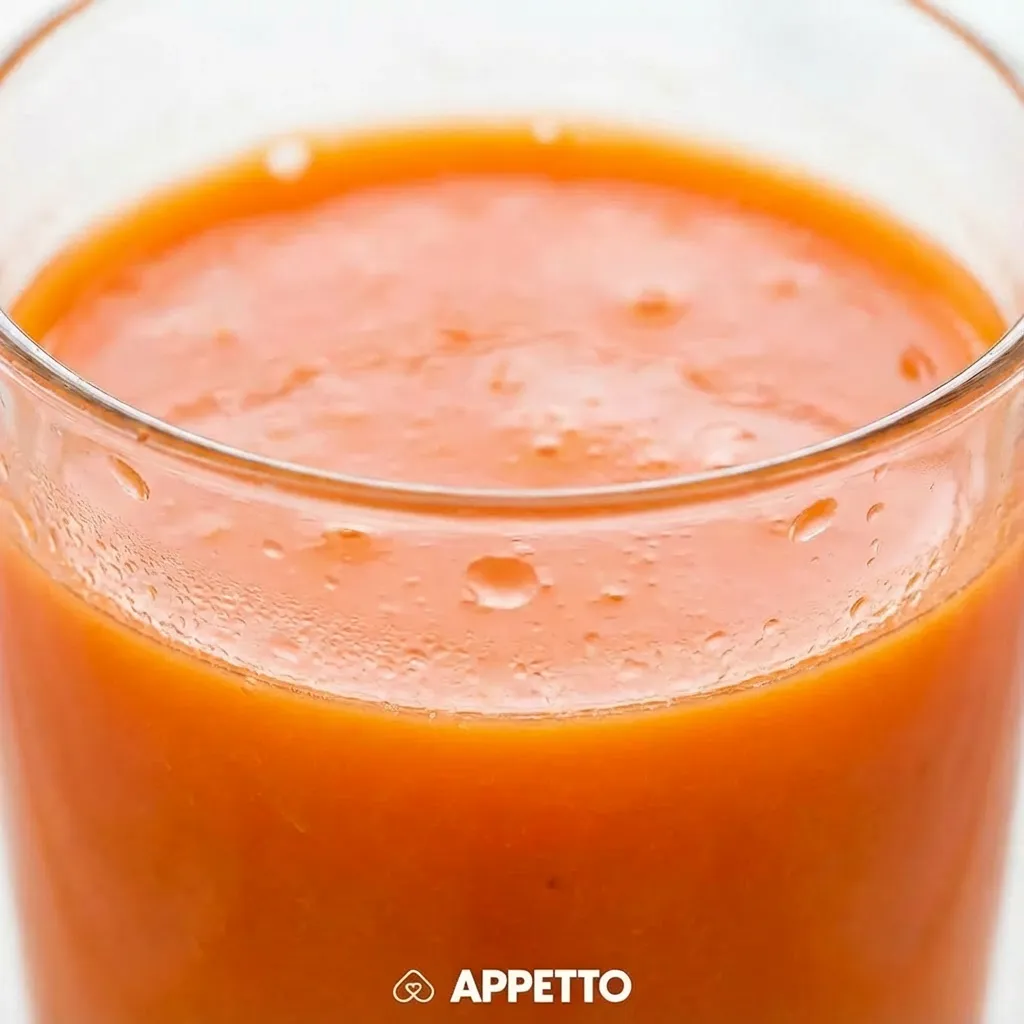
Many cat owners wonder if their feline companions can drink carrot juice. While this beverage is authorized in moderation, it holds a limited interest for cats. Water must always remain the preferred and primary drink for your pet.
Nutritional Value and Benefits
Carrot juice provides beta-carotene, and the pulp is an acceptable part for consumption. However, despite these elements, the overall nutritional value of carrot juice for cats is low.
Potential Risks and Scientific Mechanisms
Offering carrot juice to a cat involves certain nutritional risks. The primary concern is the presence of sugars, which provide useless calories for a feline diet.
From a scientific perspective, the soluble fibers found in carrot juice can slow down gastric emptying. This occurs because the fibers increase the viscosity of the chyme in the digestive tract. Additionally, giving an excess of carrot juice presents a risk of causing diarrhea.
How to Offer Carrot Juice
Whether the juice is made from raw or cooked carrots is indifferent. However, it is crucial to observe strict moderation. If given, it must strictly be in very small quantities. Offering carrot juice on a regular basis is useless for your cat’s health.
Vulnerable Cats and Symptoms to Watch
Kittens are particularly vulnerable due to their immature digestive systems, so extra caution is advised.
If a cat consumes an inappropriate amount of carrot juice, the following symptoms of digestive upset may appear:
- Vomiting
- Diarrhea
What to Do in Case of Symptoms
If your cat exhibits vomiting or diarrhea after drinking carrot juice, it is advised to monitor their condition closely. You should contact a veterinarian if the symptoms persist, worsen, or seem concerning.
APPETTO
To help you better understand the diet of dogs and cats, you can download the APPETTO application. It allows you to consult useful information about various foods for your pets. Discover it here: APPETTO.
This article is provided for informational purposes only and does not replace the advice or diagnosis of a veterinarian. A veterinarian should always be consulted if concerning or persistent symptoms appear.