


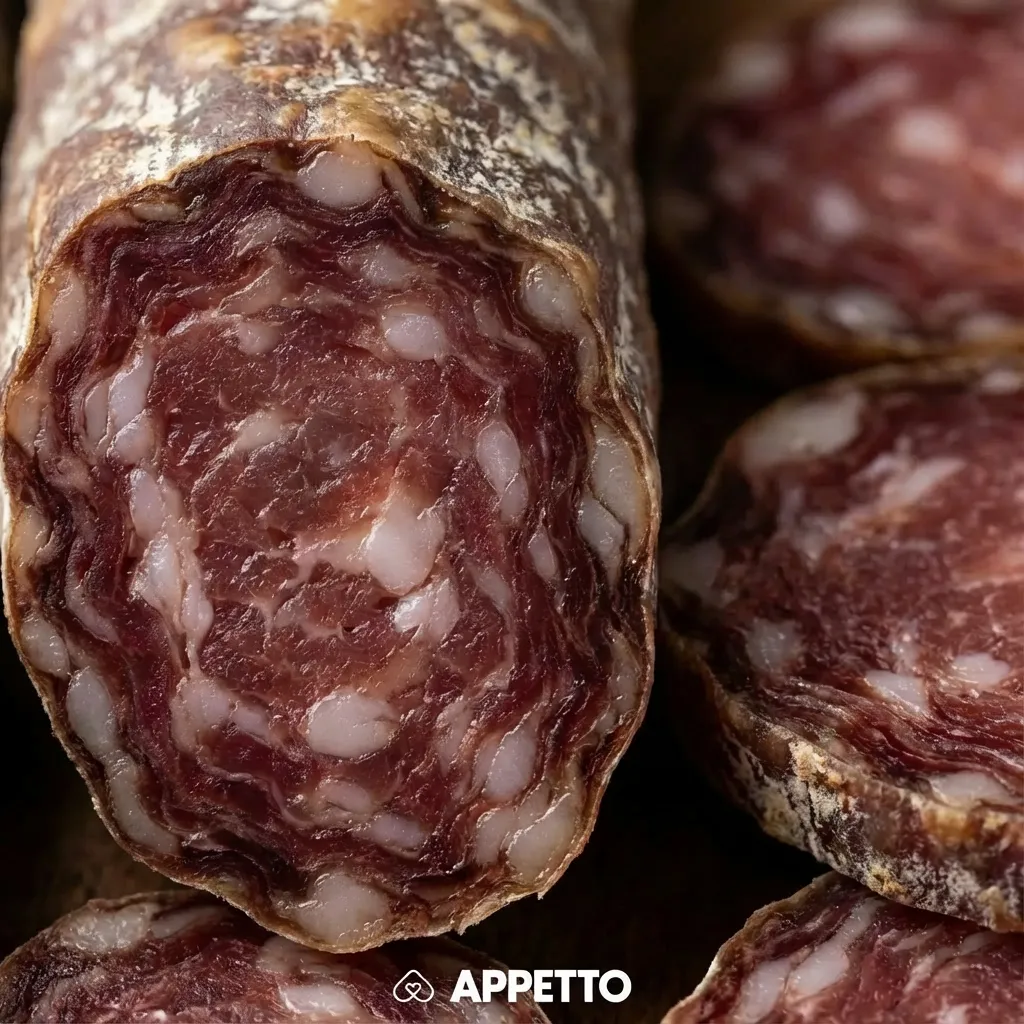
Horse sausage should be avoided for dogs. Even though horse meat can be used in some pet diets, sausage is still a cured meat: salt, fats, additives, possible alliums (garlic/onions), and risky casings. So no, it’s not “just a little piece”. It’s a little piece with a lot of bad baggage.
Quick Verdict
- For dogs: opinions differ, but best avoided as a precaution.
- Key takeaways: too salty, too fatty, potentially seasoned, with digestive and pancreatic risks.
Horse sausage for dogs: allowed, to be limited, or forbidden?
Horse sausage is not suitable for dogs. The problem isn’t just the meat, but the processing: drying, salt, fat, spices, preservatives, and sometimes garlic or onion depending on the recipe.
Is horse sausage dangerous or toxic for dogs?
It can be dangerous depending on the composition and quantity. Excess salt can cause dehydration and neurological issues. Fats increase the risk of digestive disorders and pancreatitis. Alliums can be toxic.
What are the possible benefits?
The benefits are minimal in this processed form.
- Horse meat can be high in protein, but sausage is not just plain meat.
- It is highly palatable, but mostly because of the salt and fat.
What are the risks to know?
Horse sausage is too concentrated a product for dogs.
- High salt content, risking intense thirst or imbalance.
- High fat content, risking pancreatitis.
- Possible alliums, which can lead to anemia.
- Parts to avoid: skin, casing, visible fat, thick or spicy slices.
How much should you give your dog?
No amount is recommended on purpose. If your dog swallowed a small piece, keep an eye on them. If the amount was large or if your dog is fragile, call your vet.
- Small dog: no portion.
- Medium dog: no portion.
- Large dog: no portion.
Can my dog eat raw, dried, or cooked horse sausage?
Horse sausage is a processed product, often dried and salted. Cooking it does not remove the salt, fats, or additives. Artisanal versions without detailed ingredients require even more caution.
How to prepare it properly?
- Do not give horse sausage to your dog.
- If you want to offer horse, choose plain, lean, cooked meat without seasoning, after getting appropriate advice.
- Keep cured meats out of reach.
When should it be avoided?
- For puppies.
- For senior dogs.
- For dogs with heart or kidney issues, overweight dogs, or those prone to pancreatitis.
- For dogs on medication or a veterinary diet.
My dog ate horse sausage: what should I do?
Check the quantity, the presence of the casing, and the ingredients. Offer water. If the product contains garlic or onion, or if your dog shows symptoms, contact a vet.
What signs should alert you?
Vomiting, diarrhea, weakness, abdominal pain, intense thirst, tremors, pale gums, or lethargy should be red flags.
What are safer alternatives?
- Plain cooked lean meat.
- Low-salt dog treats.
- Skinless chicken or turkey.
How can APPETTO help you?
APPETTO helps you compare dog treats and foods using the Pet-Score®, to distinguish a truly suitable option from an overly processed human product. Download APPETTO.
FAQ
Is horse sausage toxic to my dog?
It can be if it contains garlic or onion, and it remains too salty and fatty in any case.
How much horse sausage can I give my dog?
No amount is recommended.
Can my dog eat a slice of horse sausage?
It’s better to avoid it, even a single slice, especially for a small dog.
Is the sausage skin dangerous for dogs?
Yes, it can pose a risk of obstruction or digestive irritation.
What signs should I watch for after ingestion?
Vomiting, diarrhea, abdominal pain, weakness, or intense thirst.
Can a puppy eat horse sausage?
No, this product is too rich and too salty for them.
Horse sausage should therefore be avoided for dogs, especially for those with heart or kidney conditions, or sensitive to fat. To compare more suitable options using the Pet-Score®, use APPETTO. Download APPETTO.
Credits and Disclaimer
Credits: Content developed by the APPETTO team based on referenced sources and internal food classification methodology.
Disclaimer: This information is general and does not replace veterinary advice.