


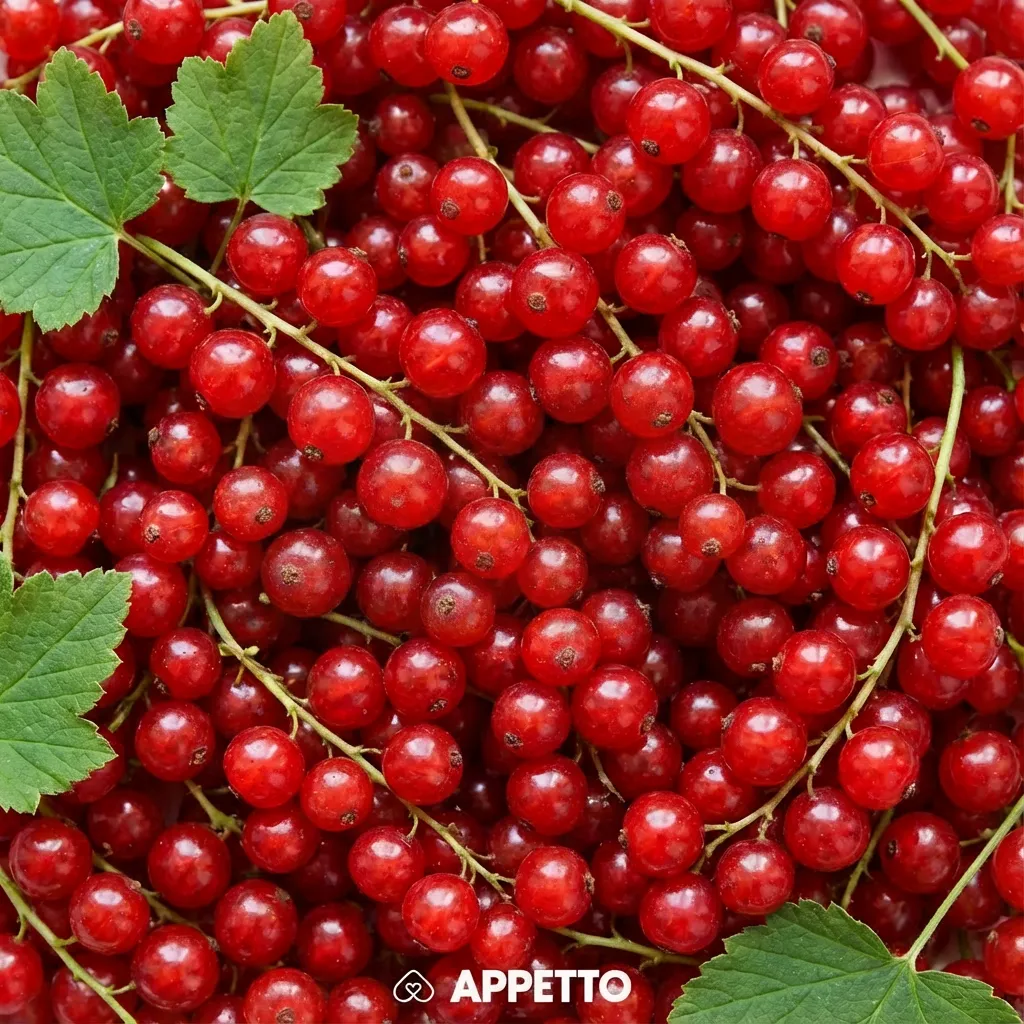
True redcurrants from the Ribes genus are not the same as dried currants made from grapes. Evidence about feeding fresh redcurrants to dogs is limited, so they are best avoided. Grape-derived dried currants, however, should be treated like raisins and may cause acute kidney injury.
Quick verdict
- For dogs: avoid fresh redcurrants because evidence is limited.
- Emergency distinction: dried grape currants are toxic like raisins.
- After ingestion: identify the exact product before deciding what to do.
Are redcurrants toxic to dogs?
True redcurrants are botanically different from grapes and are not proven to cause the same kidney toxicity. However, they are acidic, poorly studied and may cause digestive upset, so intentional feeding is unnecessary.
Why “currant” can be misleading
Fresh redcurrants belong to the Ribes genus. Dried currants such as Zante currants are small dried grapes and carry the same serious toxicity concern as raisins.
Possible risks of true redcurrants
- Vomiting or diarrhoea.
- Abdominal pain or reduced appetite.
- Digestive irritation from acidity, skin and seeds.
- Ingredient confusion in jams, cakes and dried-fruit mixes.
How much can a dog eat?
No regular serving is recommended. Avoid intentionally feeding fresh redcurrants.
Fresh berries, jam and dried currants
Avoid fresh redcurrants, jam, jelly and desserts. If a product contains dried currants, raisins or grapes, contact a veterinarian immediately because no safe dose of grape-derived fruit has been established.
What to do after ingestion
- Check the packaging or identify the fruit carefully.
- Determine whether it was a true redcurrant or a dried grape currant.
- Note the quantity and time.
- Contact a veterinarian immediately for any grape-derived currant or uncertain product.
Warning signs
Watch for vomiting, diarrhoea, lethargy, reduced appetite, abdominal pain, excessive thirst or decreased urination. Kidney-related signs are particularly concerning after grape-derived currant ingestion.
Dogs at higher risk
- Puppies and senior dogs.
- Dogs with kidney disease or dehydration.
- Small dogs and dogs that consumed an uncertain product.
- Dogs receiving medication or following a prescription diet.
Safer alternatives
- A few plain blueberries.
- A small piece of seedless apple.
- A dog treat formulated for canine needs.
How APPETTO can help
APPETTO helps you distinguish between confusing food names, identify true hazards and compare dog products using the Pet-Score®. Download APPETTO.
FAQ
Are redcurrants toxic to dogs?
True redcurrants are not proven to share grape toxicity, but they are insufficiently studied and best avoided.
Are dried currants toxic to dogs?
Yes, when “currants” means dried grapes. Treat them like raisins and contact a veterinarian immediately.
How much fresh redcurrant can I give my dog?
No serving is recommended.
What if my dog ate one redcurrant?
Confirm that it was a true Ribes berry and monitor for digestive symptoms. Seek veterinary advice if the identity is uncertain.
Can puppies eat redcurrants?
No. It is safer to avoid them.
True redcurrants are poorly documented and best avoided, while dried grape currants are a well-established veterinary emergency.
Credits and disclaimer
Credits: Content developed by the APPETTO team using referenced sources and its internal food-classification methodology.
Disclaimer: This information is general and does not replace veterinary advice.