


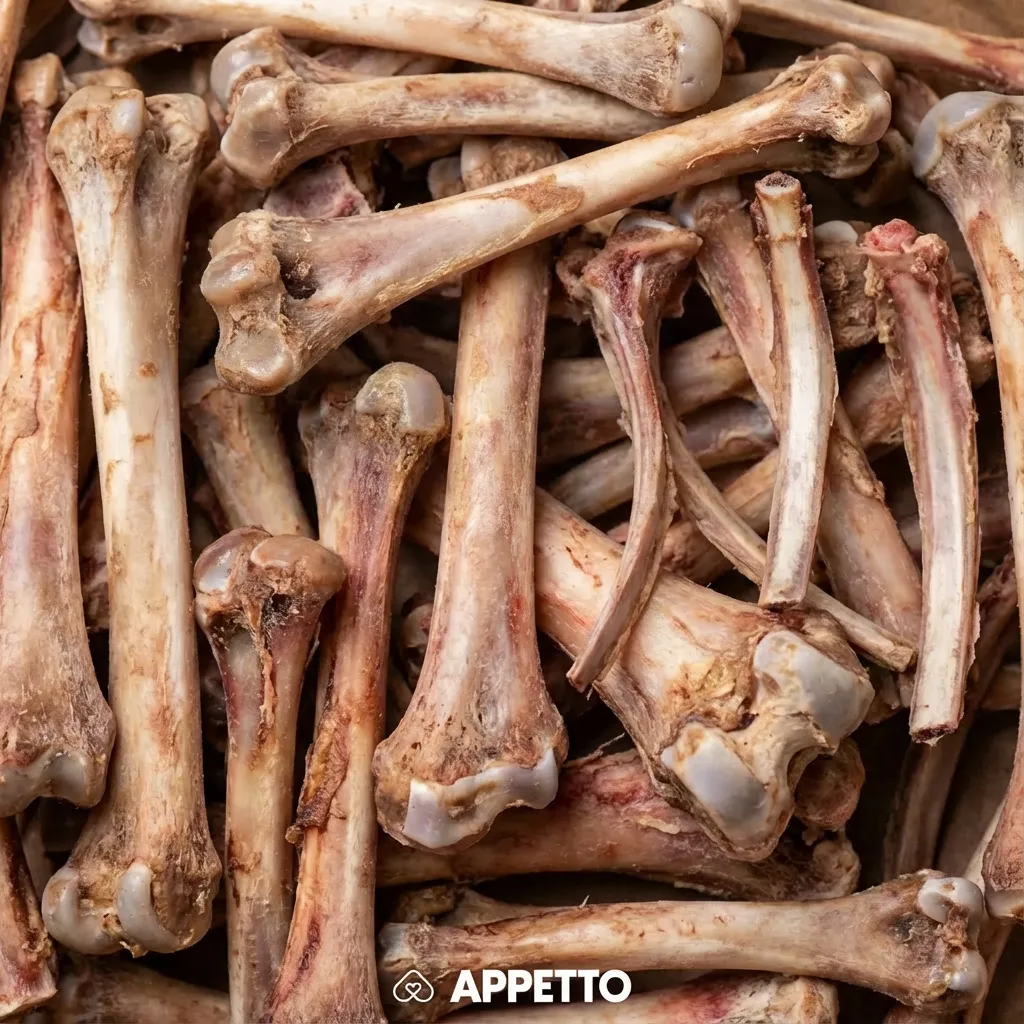
Wild boar bones should be avoided for dogs. They can splinter, cause choking, constipation, blockages, or perforations. And with game meat, sanitary uncertainty adds a layer of complexity your dog could well do without. Many owners wonder can dogs eat bones, and the answer here is a clear no.
Quick verdict
- For dogs: avoid.
- Key takeaway: significant physical risk, especially with cooked bones, small ones, or those swallowed by a greedy dog.
Wild boar bones for dogs: allowed, to be limited, or forbidden?
Wild boar bones are not recommended. They are hard, can splinter, and make it difficult to control what your dog swallows. Dogs that chew poorly or swallow fast are particularly at risk. If you are wondering can dogs have bones from wild game, it’s best to steer clear.
Are wild boar bones dangerous or toxic for dogs?
The danger is mostly mechanical. A bone can injure the mouth, get stuck, break a tooth, or cause a digestive lesion. Can dogs eat cooked bones? Definitely not. Cooked bones are even more risky because they become more brittle, much like when asking can dogs have steak bones.
What are the possible benefits?
Chewing can keep a dog occupied, but wild boar bones are not the safest option.
- Chewing stimulation, but with major risks.
- Occupation, but alternatives exist.
What are the risks you should know?
The risks can be serious and sometimes require urgent care.
- Choking.
- Constipation or blockage.
- Digestive perforation from sharp splinters.
- Parts to avoid: cooked bones, small bones, brittle bones, sharp pieces. Even if you wonder can dogs eat a t-bone, remember that hard, dense bones carry risks.
How much to give your dog?
No amount is recommended. The safest approach is not to give any wild boar bones to your dog.
- Small dogs: no wild boar bones.
- Medium dogs: no wild boar bones.
- Large dogs: no wild boar bones, even under supervision.
Can my dog eat raw, cooked, or processed wild boar bones?
Cooked bones must be strictly avoided. Raw bones remain risky, notably due to splintering, ingestion of fragments, and sanitary uncertainties linked to game. Dried or smoked bones can also be too hard or brittle.
How to prepare them properly?
- Do not prepare wild boar bones for your dog.
- If you feed wild boar meat, remove all bones.
- Opt for chewing products suited to their size.
When should they be avoided?
- In puppies.
- In senior dogs or those with fragile teeth.
- In greedy eaters.
- In dogs with a history of constipation, blockages, or digestive surgery.
My dog ate a wild boar bone: what should I do?
Do not induce vomiting without a vet’s advice. Remove any leftovers, observe the size and shape of the swallowed bone, and then contact a vet if the bone was cooked, sharp, large, or if your dog shows any symptoms.
What signs should alert you?
Choking, coughing, vomiting, constipation, abdominal pain, blood in the stool, lethargy, or refusal to eat should be cause for concern.
What are safer alternatives?
- Appropriate chewing treats.
- Durable toys under supervision.
- Dental sticks designed for dogs.
How can APPETTO help you?
APPETTO helps you compare dog treats and food with a clear benchmark, the Pet-Score®, to avoid risky choices when you just want to treat your pet. Download APPETTO.
FAQ
Are wild boar bones dangerous for my dog?
Yes, they can cause choking, broken teeth, blockages, or digestive perforation.
How many wild boar bones can I give my dog?
None. It’s better not to give them intentionally.
Can my dog eat a cooked wild boar bone?
No, cooked bones are particularly brittle. So, if you ask can dogs eat steak bones or cooked wild boar bones, the answer is always no.
Can my dog eat a raw wild boar bone?
As a precaution, it’s better to avoid raw bones too.
What signs to watch for after ingestion?
Coughing, vomiting, constipation, pain, blood in the stool, or lethargy.
Can a puppy eat a wild boar bone?
No, the risk of choking and blockages is too high.
Wild boar bones should therefore be avoided for dogs, even when they love to chew. To find safer options and compare products with the Pet-Score®, APPETTO can help. Download APPETTO.
Credits and disclaimer
Credits: Content created by the APPETTO team based on referenced sources and our internal food classification methodology.
Disclaimer: This information is general and does not replace veterinary advice.