


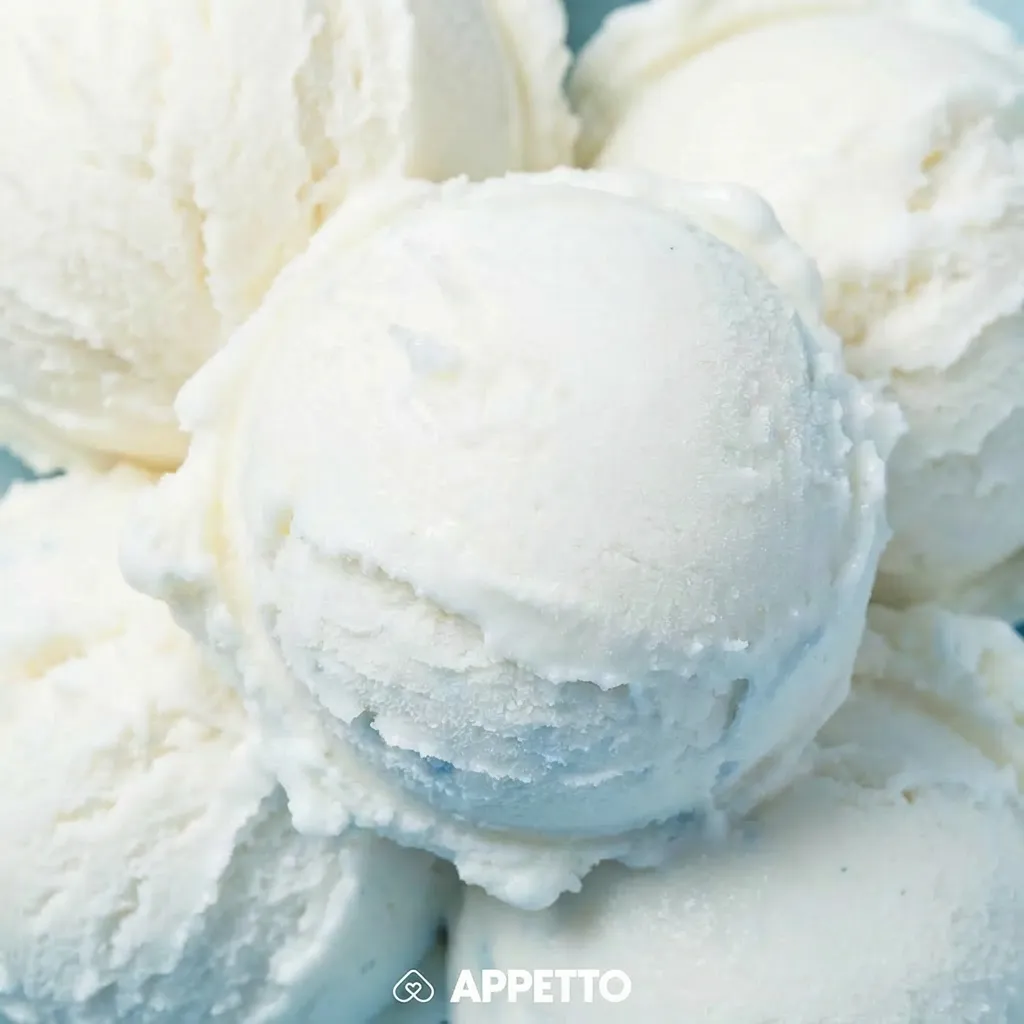
Milk sherbet should be avoided for dogs as a precaution. Recipes vary widely, but they often contain sugar, artificial flavorings, sometimes lactose, and—in certain sugar-free products—potentially dangerous sweeteners. In short: a “light” frozen dessert for humans can become a very nasty surprise for a dog. Summer cooling, yes. Xylitol, never.
Quick verdict
- For dogs: opinions vary, but best avoided as a precaution.
- Key takeaway: sugar, lactose, flavorings, and possible sweeteners make milk sherbet risky.
Milk sherbet for dogs: allowed, to be limited, or forbidden?
Milk sherbet is not recommended for dogs. Even if some recipes seem simple, it remains a processed dessert. The possible presence of sweeteners like xylitol is a major point of concern, as it can be highly toxic to dogs.
Is milk sherbet dangerous or toxic to dogs?
Milk sherbet can be dangerous depending on its ingredients. Xylitol can cause severe hypoglycemia in dogs. Sugar and lactose can also lead to vomiting, diarrhea, or weight gain. If the sherbet contains a sweetener, contact a veterinarian immediately.
What are the possible benefits?
The benefits are very minimal.
- Cooling effect, but safer alternatives exist.
- No real nutritional value for dogs.
What are the risks to know?
The risk depends heavily on the recipe.
- Xylitol: severe hypoglycemia and life-threatening danger for the dog.
- Sugars: caloric overload and weight gain.
- Parts to avoid: sugar-free, flavored sherbets, those with sweeteners, chocolate, grapes, alcohol, or toppings.
How much can I give my dog?
No amount is recommended. It is best to avoid milk sherbets entirely.
- Small dog: avoid completely.
- Medium dog: avoid; check the ingredients in case of ingestion.
- Large dog: avoid as well, especially if the product contains sweeteners.
Can my dog eat plain, sweetened, or sugar-free milk sherbet?
Sweetened milk sherbet is not recommended. Sugar-free sherbet can be even more concerning if it contains xylitol or other artificial sweeteners. Flavored recipes should also be avoided, as certain ingredients may be incompatible with dogs.
How to react properly?
- Do not give milk sherbet to your dog.
- In case of ingestion, check the ingredient list immediately.
- Contact a vet if the product contains xylitol or if your dog shows symptoms.
When should it be avoided?
- Puppies.
- Senior dogs.
- Overweight, diabetic dogs, or those with digestive sensitivities or pancreatic risks.
- Dogs on medication or a veterinary diet.
My dog ate milk sherbet: what should I do?
Check the ingredients. If the sherbet contains xylitol, a sweetener, chocolate, grapes, or alcohol, contact a vet quickly. If it was a small sugary amount with no toxic ingredients, monitor for vomiting and diarrhea.
What signs should alert me?
Vomiting, diarrhea, lethargy, tremors, weakness, seizures, loss of balance, or unusual behavior should alert you. Signs of weakness after ingesting a product with xylitol are a medical emergency.
What are safer alternatives?
- A simple ice cube under supervision.
- A frozen treat specifically formulated for dogs.
- A small portion of frozen complete wet food.
How can APPETTO help you?
APPETTO helps you identify processed foods that might hide problematic ingredients. Thanks to the Pet-Score®, you can compare dog products and make more informed choices. Download APPETTO.
FAQ
Is milk sherbet toxic to my dog?
It can be if it contains xylitol or certain dangerous ingredients. It is best avoided.
How much milk sherbet can I give my dog?
No amount is recommended.
Can my dog eat sugar-free sherbet?
Not without checking the ingredients, as certain sweeteners like xylitol are dangerous.
Can my dog eat fruit milk sherbet?
This is not recommended, as it may contain sugar, lactose, flavorings, or unsuitable ingredients.
What signs should I watch for if my dog ate milk sherbet?
Watch for vomiting, diarrhea, lethargy, tremors, weakness, and seizures.
Can a puppy eat milk sherbet?
No, it is best to avoid it completely.
Milk sherbet should therefore be avoided for dogs, mostly because of the sugar and the risk of sweeteners. To better compare suitable foods and products, APPETTO helps you with the Pet-Score®. Download APPETTO.
Credits and disclaimer
Credits: Content created by the APPETTO team based on referenced sources and our internal food scoring methodology.
Disclaimer: This information is general and does not replace veterinary advice.