


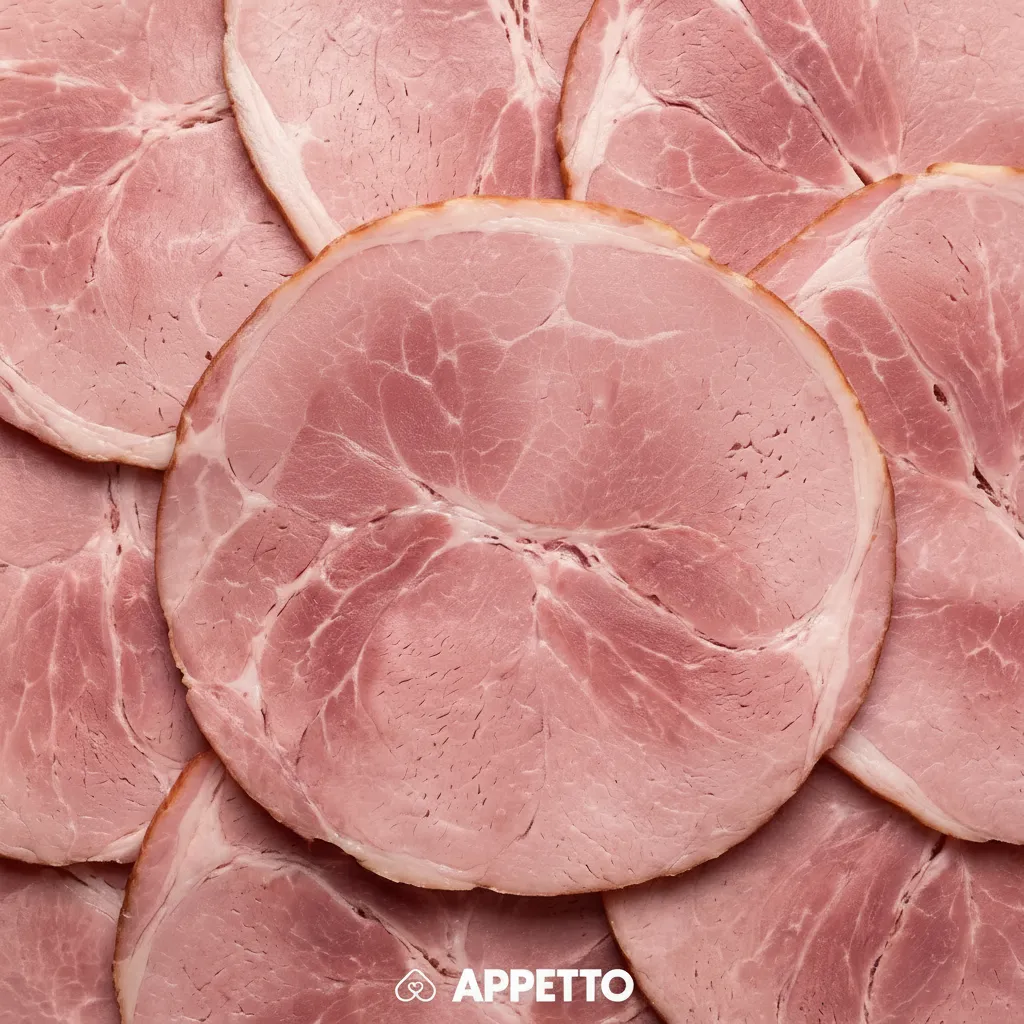
Cooked pork ham can be given to cats in moderation, but only in tiny and very occasional amounts. It provides protein, but its nutritional value remains low compared to the potential salt and fat.
Quick verdict
- For cats: allowed in moderation.
- To remember: a crumb of cooked lean muscle, with no skin or visible fat.
Cooked ham and cats: possible, but not useful
Cats need animal protein, but not in the form of deli meats. Cooked ham should remain an exception.
What are the potential benefits?
- Easy-to-chew protein.
- Palatability.
- Occasional treat.
Risks to be aware of
- Fats: vomiting if the portion is large.
- Salt: unnecessary overload.
- Deli meats: possible additives or nitrites.
How much to give?
A crumb is enough. For overweight or fragile cats, it is best to avoid it.
Cooked or raw?
Raw pork must be excluded. Cooked ham must remain rare, defatted, and unseasoned.
How to limit the risk?
- Choose a lean piece.
- Remove all visible fat.
- Give only a crumb.
At-risk cats
- Overweight cats.
- Senior cats.
- Cats with kidney issues.
- Cats with sensitive digestion.
My cat ate too much: what should I do?
Monitor for vomiting, diarrhea, or lethargy. Consult a vet if signs persist or if the amount was significant.
How can APPETTO help you?
APPETTO helps you identify unsuitable deli meats, compare cat products using the Pet-Score® and choose safer options. Download APPETTO.
FAQ
Is cooked ham good for cats?
It can be tolerated as a crumb, but it is not ideal.
How much should I give?
Only a crumb.
Should I avoid the fat?
Yes.
What signs should I watch for?
Vomiting or diarrhea.
Can an overweight cat eat it?
It is best to avoid.
Is raw ham allowed?
No, it is strictly forbidden.
Cooked ham can be tolerated by cats in crumbs, but it remains of little use. To compare feline products, APPETTO helps you with the Pet-Score®. Download APPETTO.
Credits and disclaimer
Credits: Content developed by the APPETTO team based on referenced sources and our internal food classification methodology.
Disclaimer: This information is general and does not replace veterinary advice.