


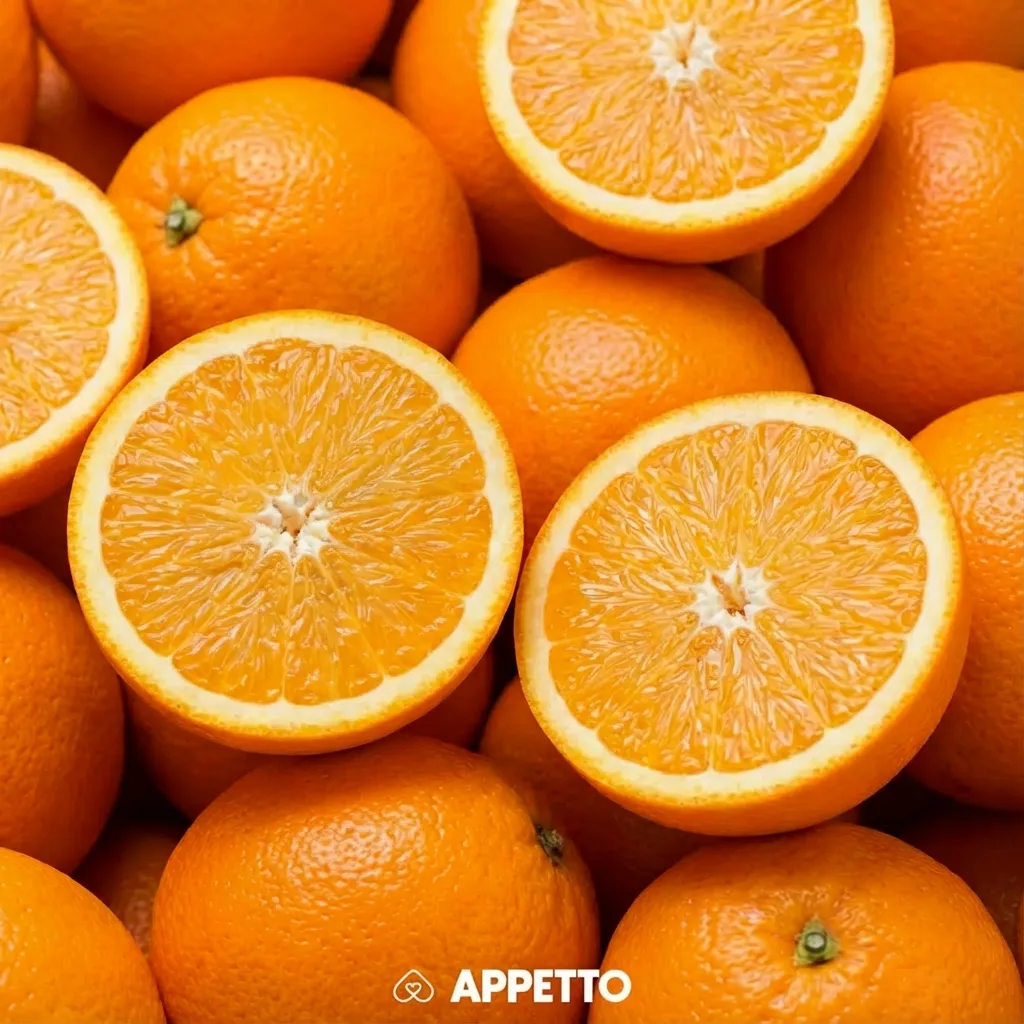
Can dogs eat oranges? Yes, a healthy adult dog may have a small amount of orange pulp occasionally, provided the peel, seeds and thick white membranes are removed. Oranges contain water and fibre, but their acidity and sugar can upset sensitive stomachs.
Quick verdict: are oranges safe for dogs?
- For dogs: allowed in moderation.
- Serve: plain, peeled, seedless pulp.
- Avoid: peel, zest, seeds, juice and large portions.
So, are oranges ok for dogs? A small amount may be tolerated, but oranges should remain an occasional treat rather than a daily habit.
Potential benefits of orange for dogs
- Water that can contribute to hydration.
- Dietary fibre.
- Vitamin C and plant antioxidants.
Dogs can produce their own vitamin C, so oranges are not nutritionally necessary.
Possible risks: are oranges bad for dogs?
- Vomiting or diarrhoea.
- Abdominal discomfort related to acidity.
- Irritation from the peel and citrus oils.
- Extra sugar, which is a concern for diabetic or overweight dogs.
How much orange can a dog eat?
- Small dog: one small piece of a segment.
- Medium dog: one small segment.
- Large dog: two or three small segments occasionally.
Start with a tiny amount and only offer more if your dog tolerates it well.
How to prepare orange safely for a dog
- Remove the peel completely.
- Remove the seeds and thick white membranes.
- Cut the pulp into small pieces.
- Offer a tiny amount on its own.
Can dogs have orange juice or processed orange products?
Plain orange pulp is the only suitable form. Avoid orange juice, marmalade, sweets, desserts, candied peel and essential oils because they are concentrated or difficult for dogs to tolerate. A chocolate orange ball is also not an appropriate dog treat; keep processed chocolate-orange products away from your dog.
When should dogs avoid oranges?
- Puppies should generally avoid oranges or only have them after veterinary advice.
- Diabetic or overweight dogs should avoid the extra sugar unless a veterinarian advises otherwise.
- Dogs with reflux, gastritis or diarrhoea may be more sensitive to acidic fruit.
- Dogs following a prescription diet should not receive oranges without veterinary guidance.
My dog ate orange: what should I do?
A small amount of plain pulp is usually low concern. Contact a veterinarian if your dog ate a large amount of peel, zest or a processed orange product, especially if symptoms develop.
Warning signs to monitor
Watch for vomiting, diarrhoea, excessive salivation, abdominal pain, lethargy or refusal to eat. Seek veterinary advice if signs are severe, persistent or concerning.
Safer alternatives
- Seedless apple.
- Seedless watermelon.
- Small pieces of cucumber.
How APPETTO can help
APPETTO helps you understand which foods are allowed but require limits, while comparing kibble, wet food and treats using the Pet-Score®. Download APPETTO.
FAQ
Can dogs eat oranges?
Yes, healthy adult dogs may eat a few small pieces of peeled, seedless orange pulp occasionally.
Are oranges safe for dogs?
They can be safe in small portions, but the peel, seeds, juice and large amounts should be avoided.
Can dogs have orange?
Dogs can have a little plain orange pulp if they tolerate acidic fruit and do not have a condition requiring dietary restrictions.
Can dogs eat orange peel?
No. Orange peel contains irritating citrus oils and is difficult to digest.
Can dogs drink orange juice?
It is best avoided because it is acidic and concentrated in sugar.
Can puppies eat oranges?
It is safer to avoid oranges for puppies or ask a veterinarian before offering any.
Is a chocolate orange ball suitable for dogs?
No. It is a processed product rather than plain orange pulp and should not be offered as a dog treat.
A small amount of peeled, seedless orange pulp may be offered occasionally, provided your dog tolerates acidic fruit.
Credits and disclaimer
Credits: Content developed by the APPETTO team using referenced sources and its internal food-classification methodology.
Disclaimer: This information is general and does not replace veterinary advice.