


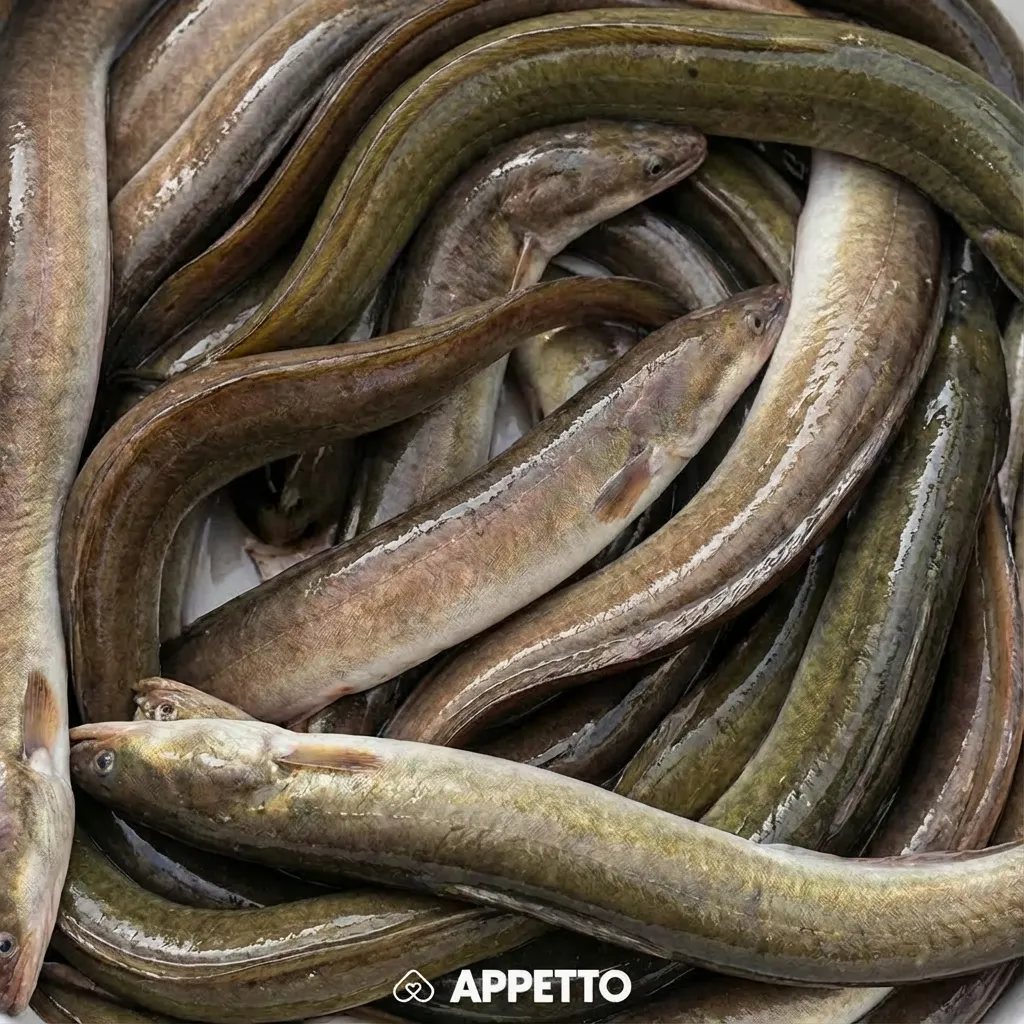
Is eel good for my cat?
Cats are known for their love of fish, and eel is no exception. Its tender and flavorful meat is enough to make our little felines drool. But is sharing this fish with them really a good idea? The answer is yes, but under very strict conditions.
The benefits of eel for cats
Eel is a fatty fish that is particularly rich nutritionally:
- High in protein: Essential for maintaining the muscle mass of your cat, which is an obligate carnivore.
- Omega-3s: These fatty acids promote a shiny coat, healthy skin, and support joint and heart function.
- Vitamins and minerals: Eel provides vitamins A and B12, which are excellent for eyesight and the nervous system.
Risks and precautions to take
Despite its benefits, eel presents significant risks if poorly prepared:
- The danger of raw eel: Never feed raw eel to your cat. The blood of raw eel contains toxins (ichthyotoxins) that can be dangerous. Furthermore, raw meat contains thiaminase, an enzyme that destroys vitamin B1, which is vital for a cat’s neurological health.
- Bones: The fine bones in eel can cause choking or perforations in the digestive tract. Meticulous cleaning is essential.
- High fat content: As a fatty fish, eel is high in calories. Excessive consumption can lead to weight gain or, in more severe cases, inflammation of the pancreas (pancreatitis).
How to prepare eel for your cat
If you want to let your four-legged companion taste this delicacy, follow these rules:
- Thorough cooking: Cook the eel all the way through (steamed or boiled) to destroy toxins and thiaminase.
- Zero seasoning: Do not add salt, butter, oil, or spices (garlic and onion are highly toxic to cats).
- Bone removal: Take the time to remove absolutely all the bones before serving.
- Small portions: Serve it occasionally, as a small treat or a supplement to their usual diet, never exceeding 10% of their daily food intake.