


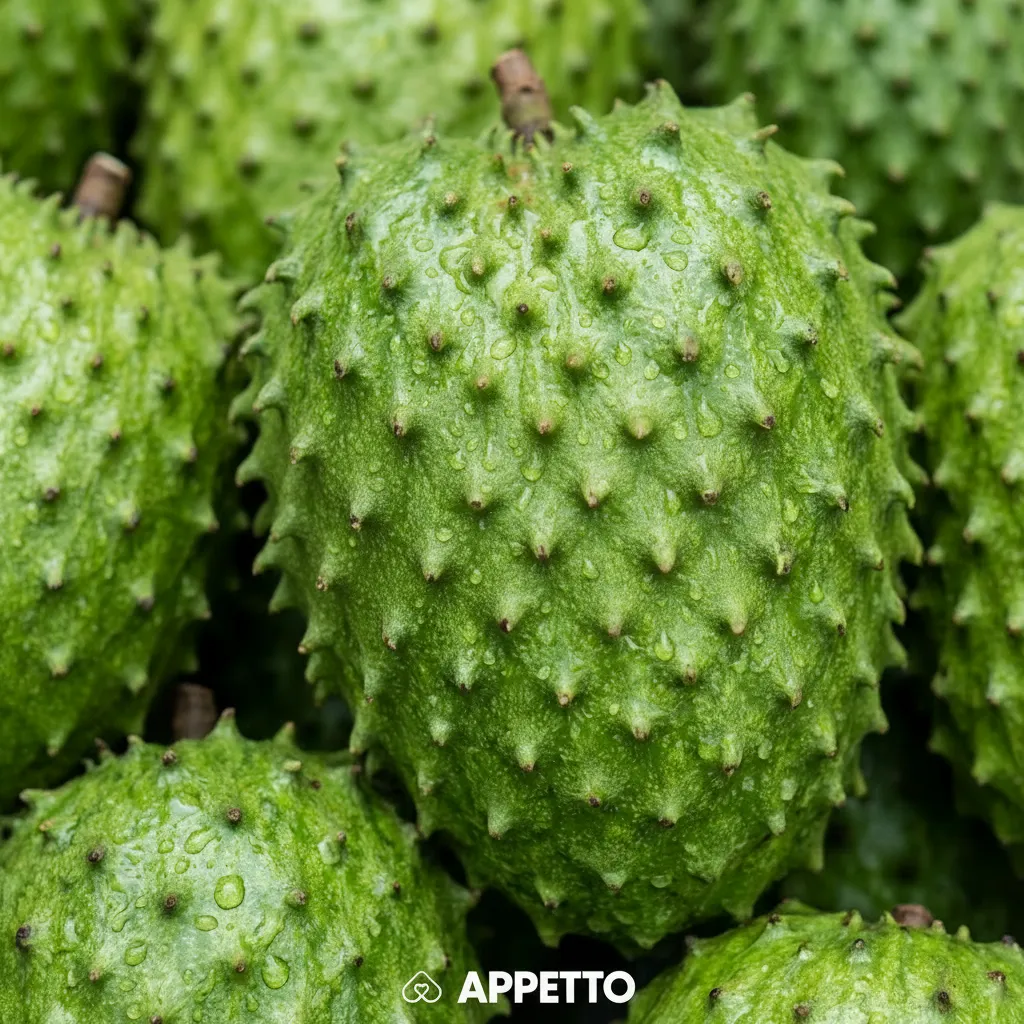
Soursop should be avoided for dogs. The seeds, leaves, bark, roots and skin contain compounds of concern, including annonacin, and may cause digestive or neurological effects. The seeds also present choking and obstruction hazards.
Quick verdict
- For dogs: avoid.
- Highest-risk parts: seeds, leaves, bark, roots and skin.
- After ingestion: seek veterinary advice, particularly if seeds or plant material were swallowed.
Why soursop is not recommended
Although the ripe pulp is eaten by humans, soursop is too poorly suited and too risky to recommend as a dog treat. Its potential nutritional value does not outweigh concerns linked to the seeds and other plant parts.
Is soursop toxic to dogs?
It can be dangerous. Annonacin is regarded as a potential neurotoxin, while the seeds and other parts of the plant contain additional biologically active compounds. Exposure may lead to gastrointestinal or neurological signs.
Are there any benefits?
No meaningful canine benefit justifies deliberate exposure. Dogs can obtain fibre, vitamins and antioxidants from safer foods.
- No recommended dietary use.
- Potential risks outweigh the nutritional value.
Main risks
- Vomiting, diarrhoea and lethargy.
- Weakness, tremors or seizures.
- Choking or obstruction caused by seeds.
- Exposure to concentrated compounds in leaves, bark, roots or supplements.
How much can a dog eat?
No safe serving is recommended. Do not intentionally offer soursop to small, medium or large dogs.
Raw fruit, juice and processed products
Avoid raw fruit, seeds, juice, purée, desserts, extracts, supplements and teas made from soursop leaves. Sweetened products also add unnecessary sugar and may contain other unsafe ingredients.
What to do after ingestion
- Remove the remaining fruit, seeds or plant material.
- Identify the part and estimate the amount swallowed.
- Contact a veterinarian if seeds, skin, leaves, bark or roots were ingested.
- Do not induce vomiting without professional guidance.
Dogs requiring particular caution
- Puppies and senior dogs.
- Dogs with epilepsy or other neurological disorders.
- Dogs with digestive sensitivity or chronic illness.
- Dogs receiving medication or following a prescription diet.
My dog licked a little pulp: should I worry?
A tiny accidental lick of plain pulp may only require close observation, but veterinary advice is still sensible if the amount is uncertain. Seeds or plant parts require more urgent attention.
Warning signs
Watch for vomiting, diarrhoea, excessive salivation, lethargy, weakness, tremors, seizures, poor coordination or unusual behaviour.
Safer alternatives
- A few plain blueberries.
- A small piece of banana.
- A dog treat formulated for canine nutrition.
How APPETTO can help
APPETTO helps you identify foods that are too risky, compare dog products and make more informed choices using the Pet-Score®. Download APPETTO.
FAQ
Is soursop toxic to dogs?
It should be avoided because its seeds and plant parts contain compounds associated with neurological and digestive risks.
How much soursop can I give my dog?
No amount is recommended.
Can dogs eat soursop seeds?
No. The seeds are unsafe and may also cause choking or intestinal obstruction.
Can dogs drink soursop juice?
No. Juice is unnecessary, may be sweetened and does not remove the underlying safety concerns.
What symptoms should I monitor?
Vomiting, diarrhoea, tremors, seizures, lethargy, weakness and poor coordination require veterinary attention.
Can a dog with epilepsy eat soursop?
No. Dogs with neurological conditions should be kept away from soursop entirely.
Soursop is not a suitable dog treat because its seeds and other plant parts present avoidable neurological, digestive and mechanical risks.
Credits and disclaimer
Credits: Content developed by the APPETTO team using referenced sources and its internal food-classification methodology.
Disclaimer: This information is general and does not replace veterinary advice.