


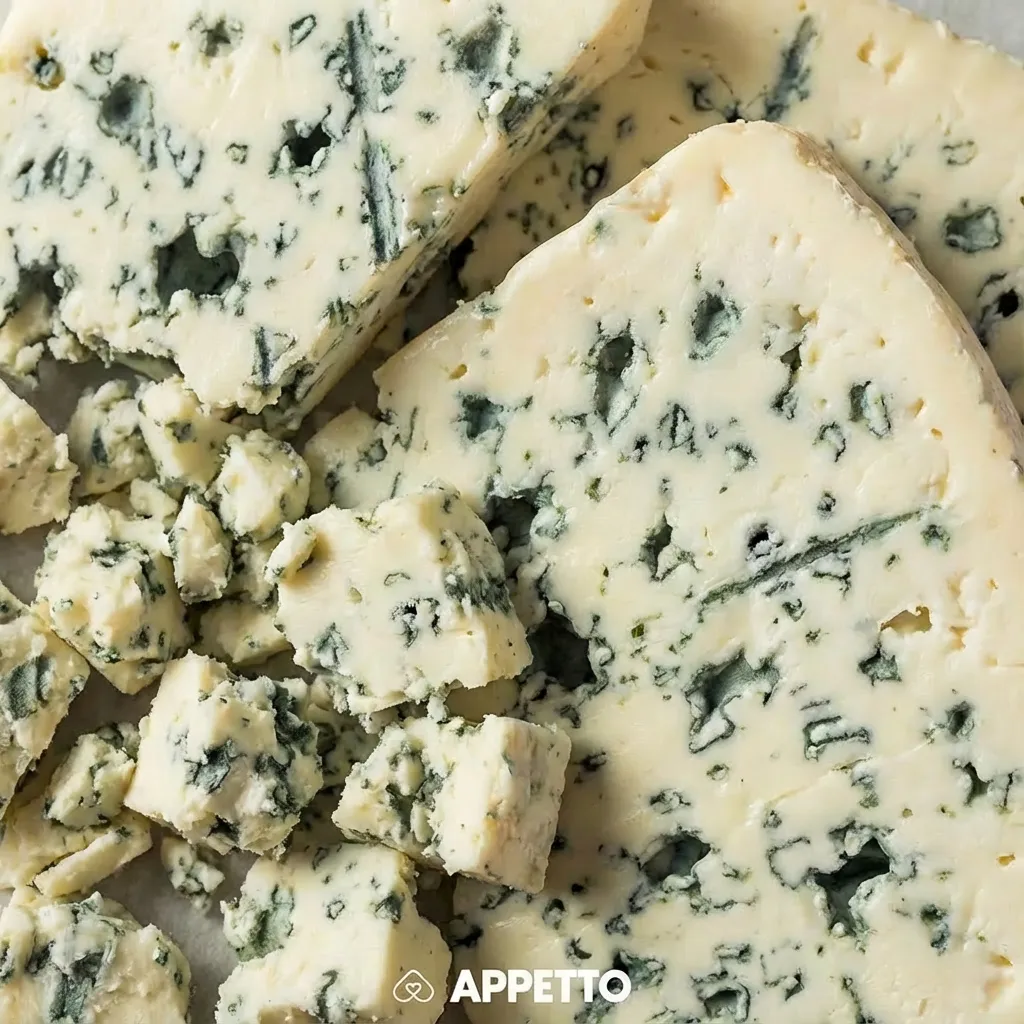
Roquefort is strictly forbidden for dogs. Like other blue cheeses, it can contain roquefortine C, a toxin produced by certain molds, with neurological and digestive risks. We’re not talking about a cheese “to limit” here: it must be completely avoided. Your dog doesn’t need a cheese that can turn a snack into a veterinary emergency.
Quick verdict
- For dogs: strictly forbidden.
- Key takeaway: risk of vomiting, diarrhea, tremors, hyperthermia, and neurological signs.
Roquefort for dogs: allowed, limited, or forbidden?
Roquefort should never be intentionally given to dogs. The entire cheese is to be avoided, including crumbs, sauces, tarts, pizzas, pasta, or dishes containing Roquefort.
Is Roquefort dangerous or toxic for dogs?
Yes, Roquefort can be toxic to dogs. Roquefortine C can cause nervous system disorders such as tremors, restlessness, hyperesthesia, or seizures. The salt and fat in the cheese can also worsen digestive issues.
What are the possible benefits?
There are no benefits to giving Roquefort to your dog.
- The proteins and calcium never justify the toxic risk.
- Suitable treats exist without the dangers associated with blue molds.
What are the risks to know?
The main risk is neurological.
- Roquefortine C: tremors, vomiting, restlessness, seizures.
- Salt and fats: diarrhea, abdominal pain, discomfort.
- Parts to avoid: the whole cheese, Roquefort sauces, ready meals, and table scraps.
How much to give your dog?
No amount is safe to recommend. Roquefort must be banned.
- Small dog: faster risk; contact a vet in case of ingestion.
- Medium dog: do not give; seek advice if ingested.
- Large dog: do not give either, even if the risk depends on the amount.
Can my dog eat raw, cooked, or Roquefort sauce?
No. Raw, cooked, melted, or in a sauce, Roquefort remains forbidden. Cooking does not transform this cheese into a safe food for dogs.
How to react correctly?
- Immediately remove the cheese or the dish in question.
- Note the time, the approximate amount, and the dog’s weight.
- Quickly contact your vet or a veterinary emergency clinic if symptoms occur.
When should it be avoided?
- Puppies.
- Senior dogs.
- Epileptic, neurologically fragile, or small dogs.
- Dogs on medication, sick, or on a veterinary diet.
My dog ate Roquefort: what should I do?
Contact a vet for tailored advice. Do not try to make your dog vomit without professional advice. If tremors, vomiting, restlessness, hyperthermia, or seizures appear, it is an emergency.
What signs should alert you?
Vomiting, diarrhea, tremors, restlessness, hyperthermia, hypersensitivity, seizures, fatigue, or balance disorders should alert you immediately.
What are safer alternatives?
- A dog treat without blue cheese.
- A small piece of plain cooked chicken.
- A formulated dog reward, low in salt and fat.
How can APPETTO help you?
APPETTO helps you spot strictly forbidden foods and understand why certain human products shouldn’t end up in the food bowl. Thanks to the Pet-Score®, you can compare dog products with greater clarity. Download APPETTO.
FAQ
Is Roquefort toxic to my dog?
Yes, it can be toxic due to the roquefortine C present in blue cheeses.
How much Roquefort is dangerous for a dog?
There is no safe amount. The risk depends on the dog’s weight, the quantity, and their sensitivity.
Can my dog eat Roquefort sauce?
No, the sauce always contains blue cheese and often a lot of salt or fats.
Can my dog eat cooked Roquefort?
No, cooking does not make Roquefort safe for dogs.
What signs to watch for if my dog ate Roquefort?
Watch for vomiting, diarrhea, tremors, restlessness, hyperthermia, and seizures.
Can a puppy eat Roquefort?
No, never. In case of ingestion, quickly seek veterinary advice.
Roquefort is strictly forbidden for dogs due to the neurological risk linked to roquefortine C. To better spot dangerous foods and compare suitable products, APPETTO helps you with the Pet-Score®. Download APPETTO.
Credits and disclaimer
Credits: Content created by the APPETTO team based on referenced sources and our internal food classification methodology.
Disclaimer: This information is general and does not replace veterinary advice.