


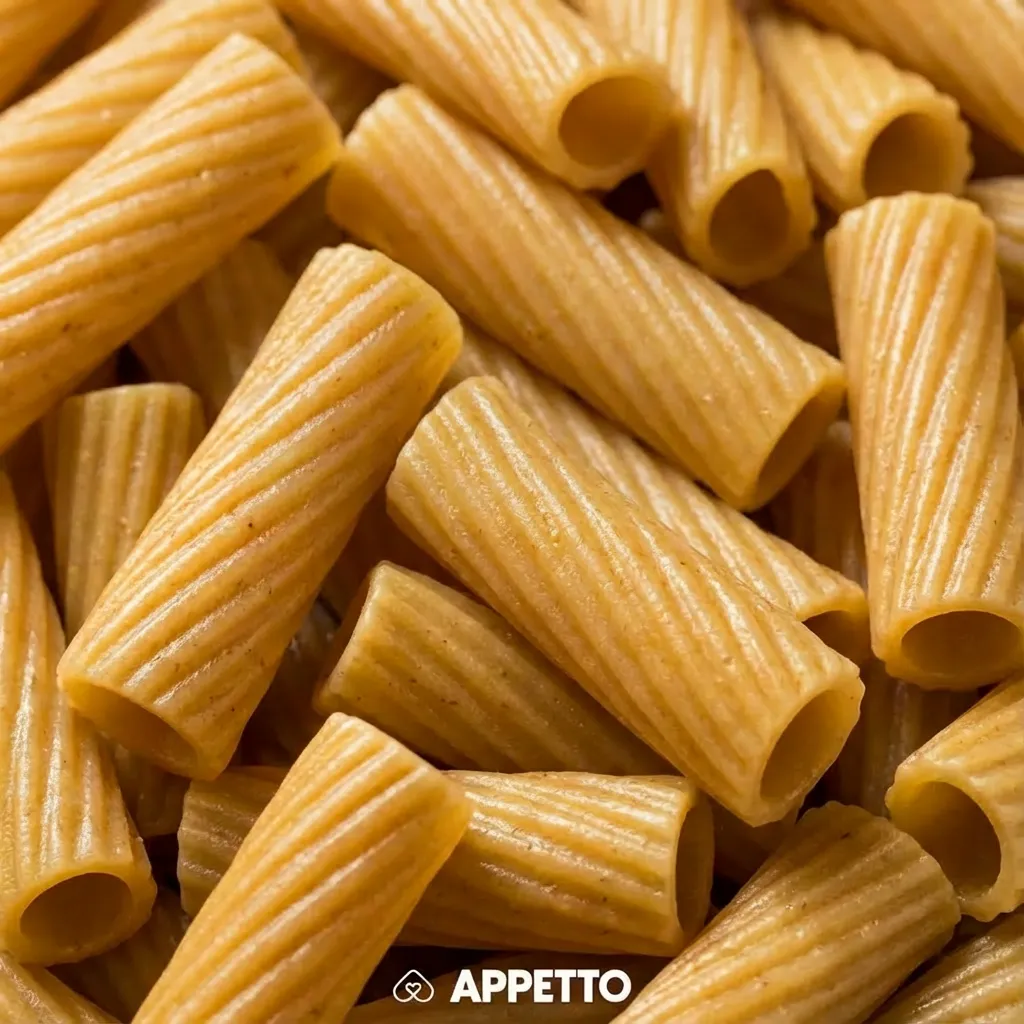
Many pet owners wonder if they can share their meals with their canine companions. When it comes to tortiglioni, this food is allowed in moderation for dogs.
Benefits and Nutritional Value
Like other types of pasta, tortiglioni can provide an occasional source of energy. However, its overall nutritional value for dogs is low.
Preparation: The Importance of Cooking
It is recommended to offer starches well cooked, plain, and in small quantities. Tortiglioni are much better tolerated when cooked. Scientifically, the cooking process allows the starch to become gelatinized, which results in better digestibility.
Potential Risks
Feeding tortiglioni can present some risks if not prepared correctly or if given in large amounts:
- Nutritional risk: An excess of starch can lead to weight gain and digestive issues, including diarrhea.
- Mechanical risk: Feeding dry tortiglioni presents a choking hazard.
It is necessary to limit portions for overweight dogs, as they are particularly vulnerable to further weight gain.
Symptoms to Monitor and What to Do
An excess of pasta can lead to digestive issues. If your dog consumes too much or eats dry pasta, symptoms such as vomiting and diarrhea may appear.
If your dog experiences these symptoms, monitor their condition closely. It is advisable to contact a veterinarian if the signs persist, worsen, or seem concerning.
About APPETTO
The APPETTO application helps users better understand the diet of dogs and cats and allows them to consult information about various foods. You can find it here: APPETTO.
This article is provided for informational purposes only and does not replace the advice or diagnosis of a veterinarian. A veterinarian should be consulted in the event of concerning or persistent symptoms.