


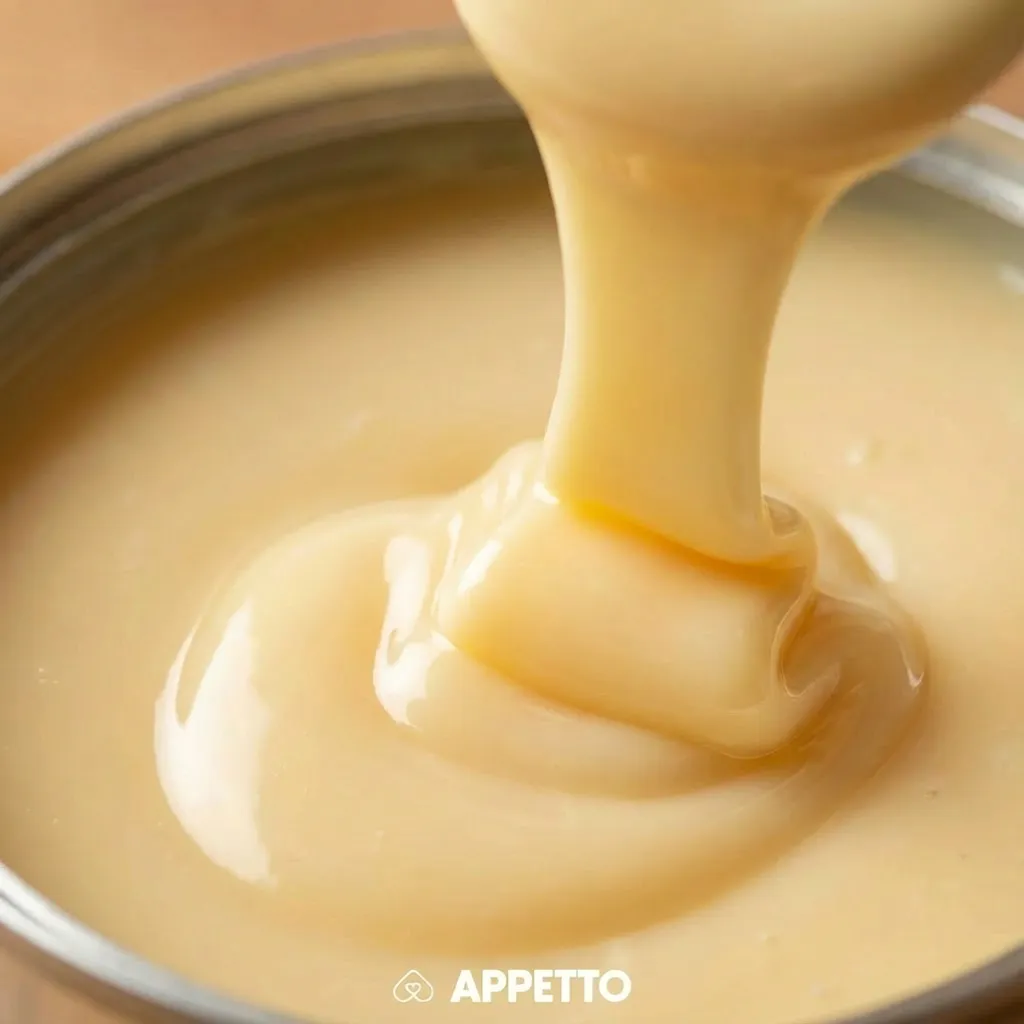
Sweetened condensed milk should be avoided for cats. It contains lactose, high amounts of sugar, empty calories, and can cause severe digestive issues. Your cat doesn’t need an ultra-sweet dairy dessert. They already hold enough power in the house without you adding a can of sugar to their empire.
Quick verdict
- For cats: to avoid.
- Key takeaways: lactose and sugars can cause vomiting, diarrhea, abdominal pain, and weight gain.
Sweetened condensed milk for cats: allowed, to limit, or forbidden?
Sweetened condensed milk is not suitable for cats. Felines often struggle to digest lactose, and sugar serves no purpose in their diet. This product must be avoided, even as a tiny treat.
Is sweetened condensed milk dangerous or toxic for cats?
It is not toxic in the sense of being a strict poison, but it can be dangerous in large quantities. The lactose can trigger diarrhea and vomiting, while the sugars promote caloric overload and weight gain.
What are the possible benefits?
There are no meaningful benefits to giving sweetened condensed milk to a cat.
- Sweet taste, but cats don’t need it (and actually can’t taste sweetness).
- No nutritional value in a complete feline diet.
What are the risks to know?
The risks are primarily digestive and caloric.
- Lactose: diarrhea, vomiting, bloating.
- Sugars: weight gain and energy overload.
- Parts to avoid: the entire product, desserts, pastries, or any preparation containing condensed milk.
How much can you give your cat?
No amount is recommended. It is best to avoid it completely.
- Adult cat: avoid.
- Sensitive cat: strictly avoid.
- Kitten: totally avoid.
Can my cat eat plain sweetened condensed milk or in a recipe?
No. Whether plain or mixed into a dessert, sweetened condensed milk remains too rich in lactose and sugar. Recipes may also contain chocolate, artificial flavorings, dough, butter, or sweeteners.
How to prepare it correctly?
- Do not give sweetened condensed milk to your cat.
- Keep dairy desserts well out of reach.
- In case of ingestion, check the amount consumed and any associated ingredients.
When should it be avoided?
- Kittens.
- Senior cats.
- Overweight, diabetic, or digestively sensitive cats.
- Cats on medication, with kidney failure, or on a prescribed veterinary diet.
My cat ate sweetened condensed milk: what should I do?
If your cat just licked a trace, monitor them closely. If the amount was significant, if the product was part of a dessert, or if symptoms like vomiting, diarrhea, or pain appear, contact your vet immediately.
What signs should you look out for?
Vomiting, diarrhea, abdominal pain, bloating, fatigue, loss of appetite, or any unusual behavior should raise an alert.
What are safer alternatives?
- A treat specifically designed for cats.
- A small piece of plain, cooked chicken.
- A complete wet food tailored to their profile.
How can APPETTO help you?
APPETTO helps you identify foods that are too sugary, too dairy-heavy, or unsuitable for cats. With the Pet-Score®, you can compare products and make more informed choices. Download APPETTO.
FAQ
Is sweetened condensed milk toxic to my cat?
Not in the strict sense, but it can cause diarrhea, vomiting, and abdominal pain.
How much sweetened condensed milk can I give my cat?
No amount is recommended. It should be avoided.
Can my cat eat a dessert made with condensed milk?
No, human desserts are too sweet and may contain other unsuitable ingredients.
Can sweetened condensed milk give a cat diarrhea?
Yes, especially because of the lactose and the high concentration of the product.
What signs should I watch for if my cat ate sweetened condensed milk?
Monitor for vomiting, diarrhea, bloating, lethargy, and loss of appetite.
Can a kitten have sweetened condensed milk?
No, a kitten needs an appropriate, balanced diet, not a sugary human product.
Sweetened condensed milk should therefore be avoided for cats: lactose, sugar, and calories make it a poor choice. To easily compare suitable products, APPETTO helps you out with the Pet-Score®. Download APPETTO.
Credits and disclaimer
Credits: Content created by the APPETTO team based on referenced sources and our internal food classification methodology.
Disclaimer: This information is general and does not replace the advice of a veterinarian.