


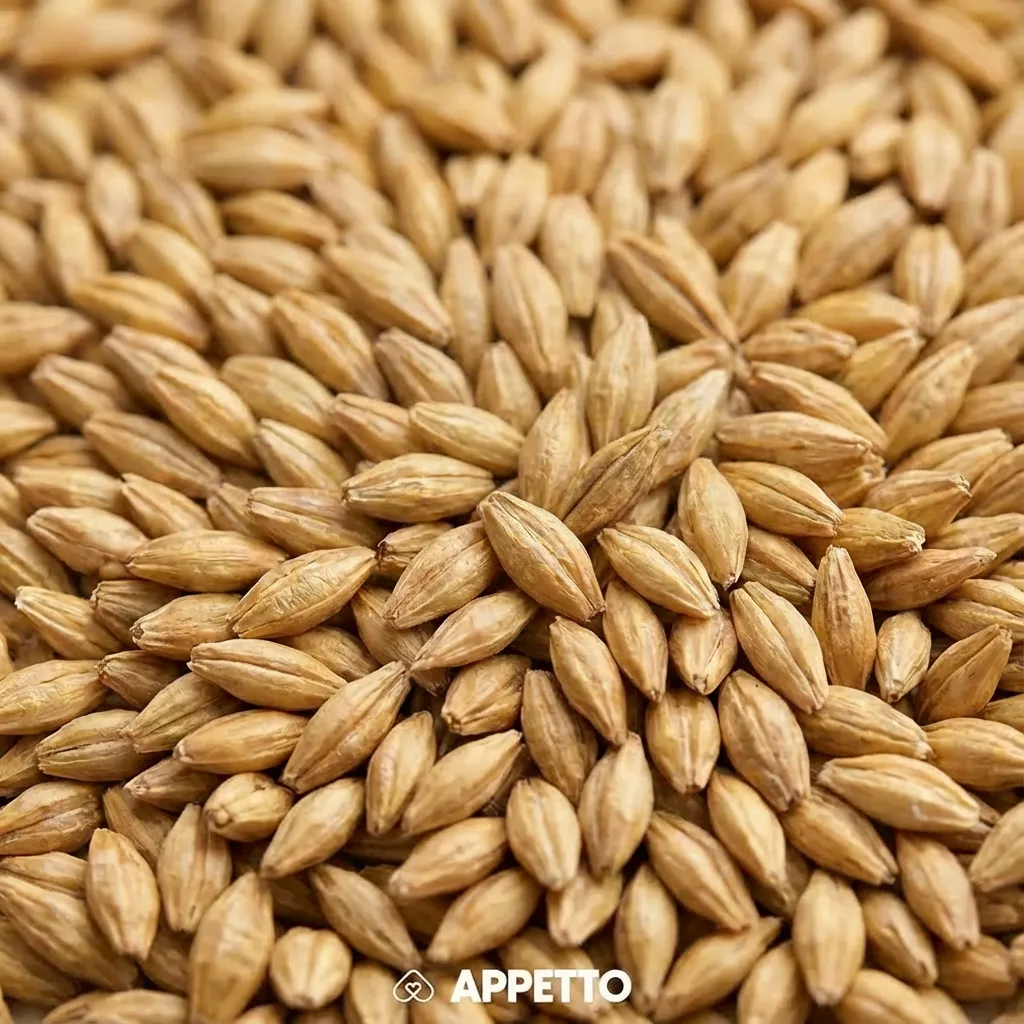
It is natural to wonder whether it is possible to share some of our food with our pets. When it comes to feeding barley to a cat, there is insufficient data to establish a definitive recommendation. However, certain key facts help us understand how this cereal interacts with a feline’s metabolism.
Nutritional Value and Potential Benefits
Barley has a low nutritional value for cats. As strict carnivores, their primary dietary needs are animal proteins. This cereal provides only a minor energy intake and, when given in very small doses, it may potentially improve the animal’s satiety.
Risks Associated with Barley Consumption
While barley is not strictly forbidden, its consumption carries several risks for cats:
- Nutritional risk: Barley contains starch, which provides quick energy but is not very useful to a cat. An excess of carbohydrates acts as empty calories for a strict carnivore, failing to meet its actual nutritional needs.
- Mechanical risk: Large pieces of barley are difficult for a cat to chew, presenting a potential choking hazard.
- Digestive discomfort: Consuming too much of this cereal can lead to digestive issues.
Preparation and Recommendations
If a cat happens to eat barley, certain preparation methods are noted. It is advised to prefer small cooked crumbs, as cooked and crumbled barley is more digestible for a cat. Nevertheless, this food should remain a rare occurrence.
Symptoms to Watch For and What to Do
If your cat has ingested an inappropriate amount of barley, certain signs may appear. You should monitor for the following symptoms:
- Vomiting
- Diarrhea
- Flatulence
If ingestion occurs, carefully observe your cat for these signs. Should these symptoms appear, persist, or seem concerning, it is advised to contact a veterinarian. This article cannot individually assess the severity of your pet’s situation.
Discover the APPETTO App
To help you better understand the diets of dogs and cats and to consult information about various foods, you can use the APPETTO application.
This article is provided for informational purposes and does not replace the advice or diagnosis of a veterinarian. A veterinary professional must be consulted in the event of concerning or persistent symptoms.