


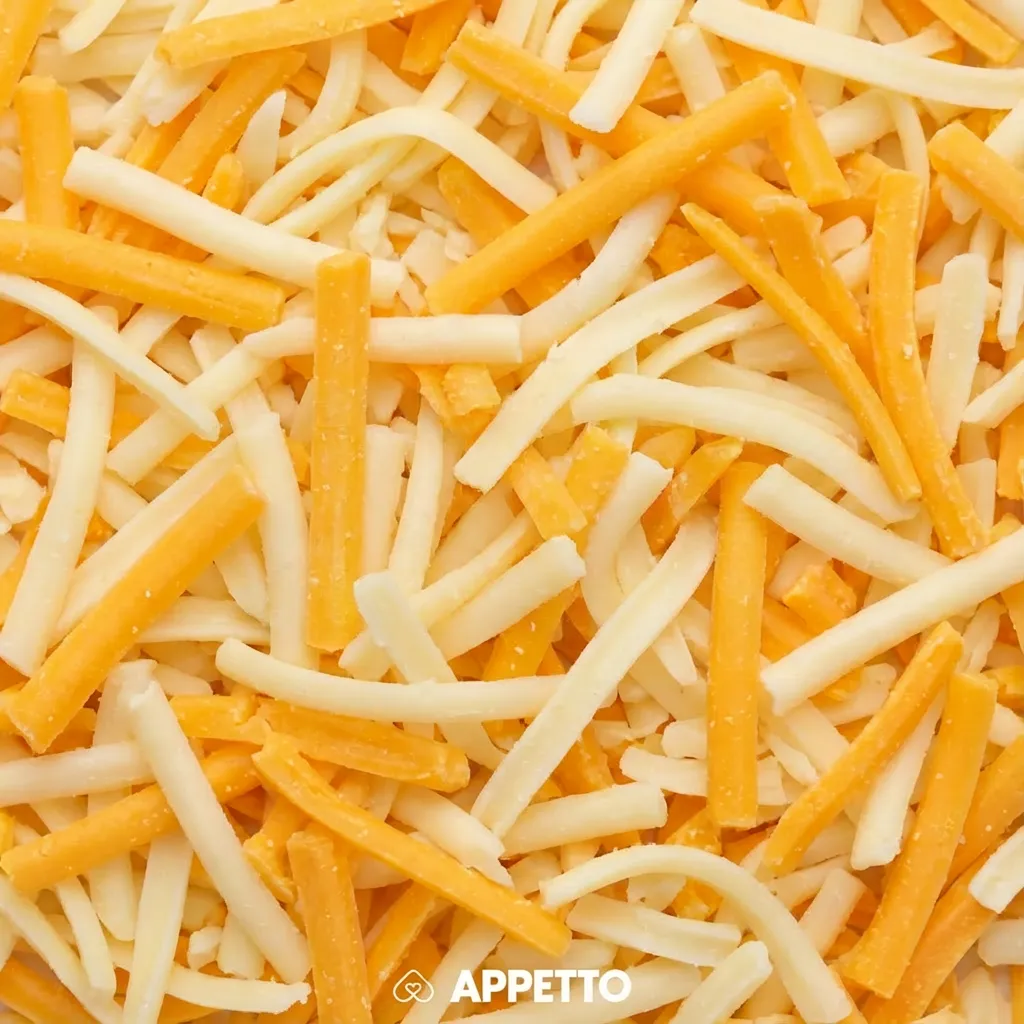
Grated cheese can be tolerated by some cats in tiny amounts, but it should remain an exception. A pinch can sometimes help to give a pill, but the salt, fats, and residual lactose remain points of vigilance. Your cat doesn’t need a shower of Emmental on their bowl. They already have enough power as it is.
Quick verdict
- For cats: allowed in strict moderation.
- Key takeaway: only a tiny pinch, never grated blue cheese, and to be avoided for sensitive cats.
Grated cheese for cats: allowed, to be limited, or forbidden?
Grated cheese isn’t an appropriate food for cats, but a micro-pinch of grated hard cheese can sometimes be tolerated. It must never become a habit, as cats are strict carnivores and dairy products are not necessary for a balanced diet.
Is grated cheese dangerous or toxic for cats?
Classic grated cheese is not toxic in micro-quantities, but it can cause vomiting or diarrhea in sensitive cats. Grated blue cheeses, however, must be avoided due to the risks associated with mold. Salt should also be limited in cats with heart or kidney conditions.
What are the possible benefits?
The benefit is mainly practical and occasional.
- Can help mask a pill thanks to its palatability.
- Provides a little protein, but without any real nutritional interest for a well-fed cat.
What are the risks to know?
Grated cheese can quickly become too salty or too fatty if the amount increases.
- Residual lactose: vomiting, diarrhea, or gas in sensitive cats.
- Salt: unnecessary burden, especially for at-risk cats.
- Parts to avoid: blue cheeses, flavored blends, very salty grated cheeses, or baked dishes.
How much to give your cat?
If you give any, the amount must be minuscule.
- Adult cat: a micro-pinch, very exceptionally.
- Sensitive cat: avoid.
- Kitten: avoid entirely.
Can my cat eat grated cheese raw, melted, or in a dish?
A micro-pinch of plain grated hard cheese is the only potentially acceptable form. Melted cheese in a gratin, pizza, quiche, or sauce is to be avoided: too fatty, too salty, and often mixed with other unsuitable ingredients.
How to prepare it correctly?
- Choose a simple grated hard cheese, without flavoring.
- Avoid blue cheeses completely.
- Only give a micro-pinch if your cat tolerates it.
When should it be avoided?
- Kittens.
- Senior cats.
- Cats with heart or kidney disease, overweight, or with sensitive stomachs.
- Cats on medication or a low-salt veterinary diet.
My cat ate grated cheese: what should I do?
For a micro-pinch of classic cheese, simply monitor them. If your cat ate a large amount, blue cheese, or a rich cheesy dish, contact your vet, especially if they are frail.
What signs should alert me?
Vomiting, diarrhea, gas, fatigue, unusual thirst, loss of appetite, or tremors should alert you. Tremors are more concerning if the cheese was blue.
What are the safer alternatives?
- A suitable cat treat.
- A small piece of plain cooked chicken.
- A specific veterinary aid for hiding a pill.
How can APPETTO help you?
APPETTO helps you better understand which foods to limit for cats and compare products using the Pet-Score®. You can thus choose more clearly what belongs in their bowl. Download APPETTO.
FAQ
Is grated cheese toxic to my cat?
Classic grated cheese is not toxic in micro-quantities, but grated blue cheeses should be avoided.
How much grated cheese can I give my cat?
A micro-pinch at most, very rarely.
Can my cat eat grated Emmental?
Only an occasional micro-pinch, if your cat tolerates it.
Can my cat eat grated blue cheese?
No, blue cheeses are to be avoided for cats.
What signs should I watch for if my cat ate grated cheese?
Watch for vomiting, diarrhea, gas, fatigue, unusual thirst, and loss of appetite.
Can a kitten eat grated cheese?
No, it’s better to avoid it. Kittens need a diet tailored to their growth.
Grated cheese can be tolerated in a micro-pinch by some cats, but it remains something to strictly limit. To better compare foods and products suitable for your cat, APPETTO helps you with the Pet-Score®. Download APPETTO.
Credits and disclaimer
Credits: Content created by the APPETTO team based on referenced sources and internal food classification methodology.
Disclaimer: This information is general and does not replace veterinary advice.