


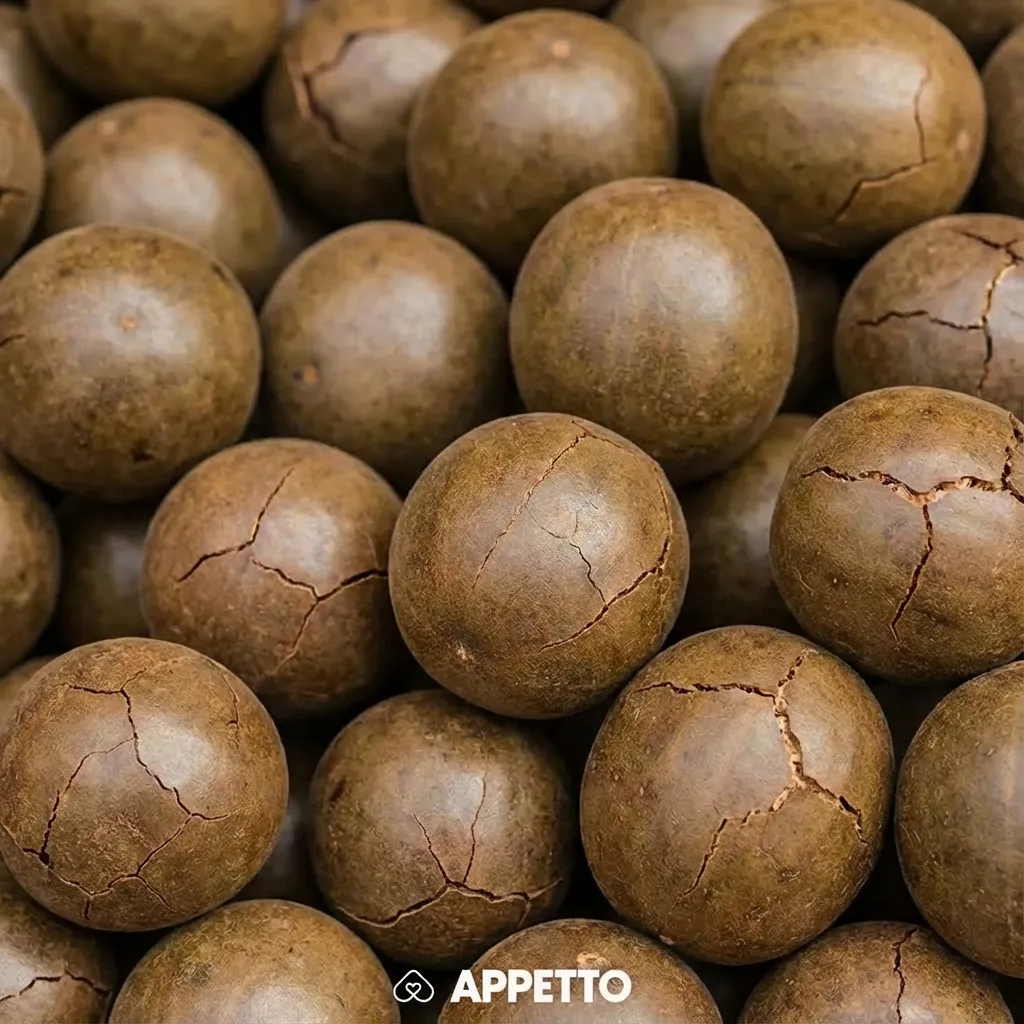
Monk fruit, or Luo Han Guo, is not known to be toxic to dogs, but it offers little nutritional value. A tiny amount of plain fruit may be tolerated, while concentrated extracts and commercial sweetener blends require more caution.
Quick verdict
- For dogs: low concern in tiny plain amounts.
- Main concerns: concentrated extracts, additives and hard seeds.
- Best choice: use a dog-specific treat instead.
Is monk fruit safe for dogs?
A microscopic amount of plain pulp is unlikely to cause harm in most healthy dogs. However, there is no reason to use monk fruit as a regular treat.
Processed sweeteners need careful checking
Commercial monk-fruit products may contain erythritol, flavourings or other sweeteners. Any product containing xylitol is dangerous to dogs and requires immediate veterinary advice.
Possible benefits
Any hydration or plant nutrients are minimal.
- No known major toxin in plain monk fruit.
- No essential canine nutritional benefit.
Possible risks
- Vomiting or diarrhoea after excessive intake.
- Abdominal discomfort from concentrated products.
- Choking on hard seeds or pieces.
- Exposure to unsafe ingredients in sweetener blends.
How much monk fruit can a dog eat?
No routine serving is recommended.
- Small dog: avoid concentrated products.
- Medium dog: at most, a tiny accidental taste of plain fruit.
- Large dog: no need to offer it intentionally.
Fresh fruit, extract or desserts?
Plain fruit is less concerning than extract. Avoid concentrated drops, powders, drinks, desserts and mixed sweeteners unless the full ingredient list is known to be dog-safe.
What to do after ingestion
- Check the label carefully.
- Look specifically for xylitol.
- Monitor after a tiny amount of plain monk fruit.
- Contact a veterinarian if a concentrated or xylitol-containing product was swallowed.
When should monk fruit be avoided?
- In puppies.
- In dogs with sensitive digestion.
- In diabetic dogs without veterinary guidance.
- In dogs following a prescription diet.
Warning signs
Watch for vomiting, diarrhoea, abdominal pain, lethargy, salivation or unusual behaviour.
Safer alternatives
- A dog treat formulated for canine needs.
- A few plain blueberries.
- A small piece of seedless apple.
How APPETTO can help
APPETTO helps you understand sweeteners and uncommon ingredients, compare dog products and make safer choices using the Pet-Score®. Download APPETTO.
FAQ
Is monk fruit toxic to dogs?
Plain monk fruit is not known to be toxic, but evidence is limited and processed blends may contain unsafe ingredients.
Can dogs have monk-fruit extract?
It is best avoided unless the ingredients and dose have been reviewed by a veterinarian.
Can diabetic dogs eat monk fruit?
Only with veterinary guidance.
What if the sweetener contains xylitol?
Contact a veterinarian immediately because xylitol is highly toxic to dogs.
Can puppies eat monk fruit?
No. Puppies do not need sweeteners.
Monk fruit is generally low concern in tiny plain amounts, but it offers little benefit and commercial blends require careful ingredient checks.
Credits and disclaimer
Credits: Content developed by the APPETTO team using referenced sources and its internal food-classification methodology.
Disclaimer: This information is general and does not replace veterinary advice.