


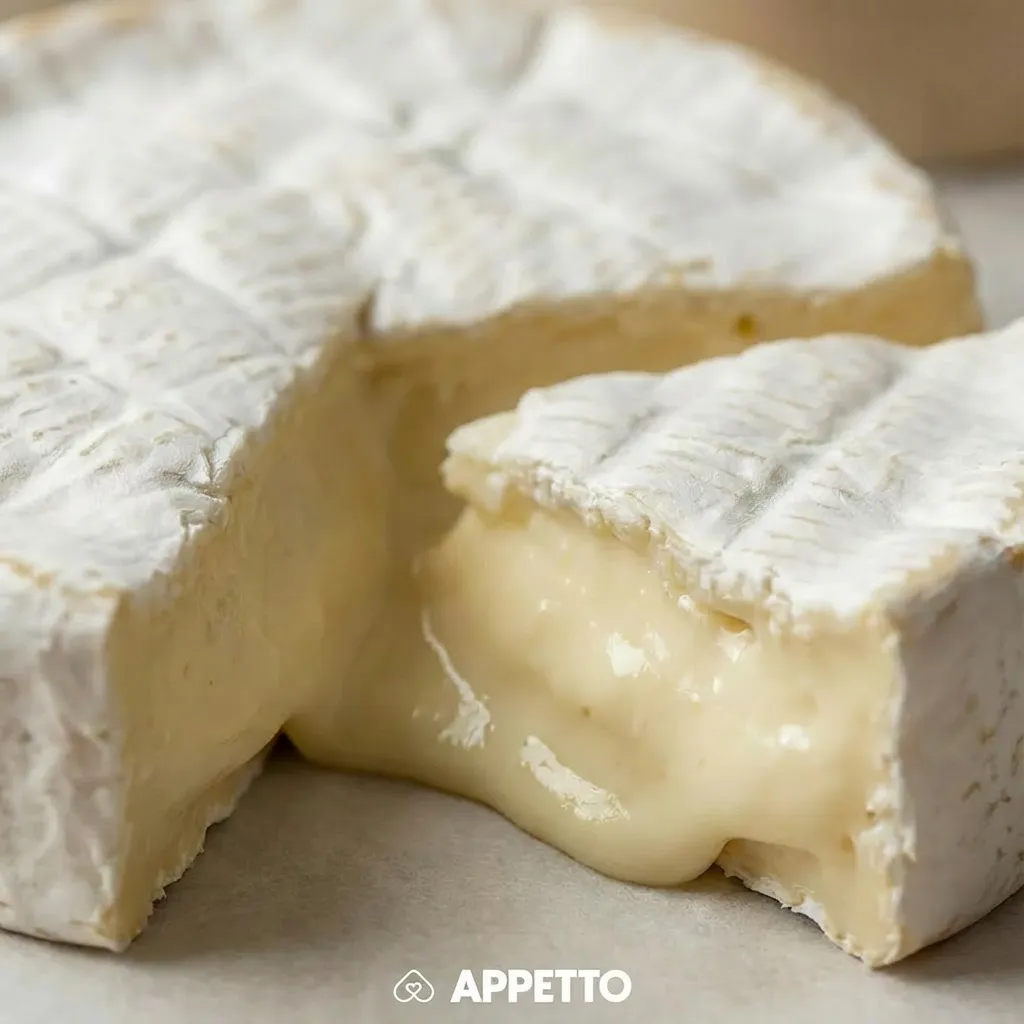
Coulommiers should be avoided for dogs. Like brie or camembert, it is a soft cheese that is fatty, often salty, and difficult to digest. An accidental crumb doesn’t necessarily call for sirens, but giving it intentionally has no benefit. Your dog might love it, sure. Their pancreas, however, much less so.
Quick verdict
- For dogs: to avoid.
- Key takeaway: too fatty, too salty, and risky for sensitive dogs or those prone to pancreatitis.
Coulommiers for dogs: allowed, limited, or forbidden?
Coulommiers is not recommended for dogs. Its high fat and salt content can cause digestive issues, especially if the quantity is significant. Dogs sensitive to dairy or fats must strictly avoid it.
Is Coulommiers dangerous or toxic for dogs?
It is not toxic like some strictly forbidden foods, but it can become dangerous in excess. The fats can heavily stimulate the pancreas and promote pancreatitis in predisposed dogs. Residual lactose can also trigger diarrhea or vomiting.
What are the possible benefits?
The benefits of Coulommiers for dogs are practically zero. It contains protein and calcium, but in a food that is far too fatty and salty to be useful.
- Occasional protein intake, without any real necessity.
- Presence of calcium, which is better provided by a complete and balanced diet.
What are the risks to know?
Coulommiers mainly poses digestive and metabolic risks.
- Fats and salt: metabolic overload, excessive thirst, weight gain, or pancreatitis.
- Lactose: diarrhea and vomiting in sensitive dogs.
- Parts to avoid: the entire cheese, rind, overripe parts, and any sauces or dishes containing Coulommiers.
How much can you give your dog?
It is best not to give Coulommiers intentionally to your dog.
- Small dog: avoid completely.
- Medium dog: avoid; monitor if ingested.
- Large dog: avoid as well, especially if the quantity is notable.
Can my dog eat raw, melted, or processed Coulommiers?
No. Plain, melted, in a sauce, or in a dish, Coulommiers remains too fatty. Recipes may include added butter, cream, salt, dough, garlic, or onions, which further increases the risk.
How to prepare it correctly?
- Do not prepare it for your dog.
- Do not give rinds or leftovers containing Coulommiers.
- If ingested, monitor for digestive signs and note the amount eaten.
When should it be avoided?
- Puppies.
- Senior dogs.
- Miniature Schnauzers, Cockers, overweight dogs, or those prone to pancreatitis.
- Dogs on medication, with digestive disorders, or on a veterinary diet.
My dog ate Coulommiers: what should I do?
A small crumb just requires observation. If your dog ate a large amount, a whole rind, or exhibits vomiting, diarrhea, abdominal pain, or lethargy, contact your vet.
Which signs should raise concern?
Vomiting, diarrhea, abdominal pain, gas, lethargy, refusal to eat, or an unusual posture should alert you, especially after eating a very fatty food.
What are safer alternatives?
- A low-fat dog treat.
- A small piece of plain, cooked chicken.
- A suitable vegetable like a carrot or zucchini in a small amount.
How can APPETTO help you?
APPETTO helps you identify foods to avoid and compare dog products using the Pet-Score®. You can better understand what is truly suitable for their bowl, without just relying on those puppy-dog eyes. Download APPETTO.
FAQ
Is Coulommiers toxic to my dog?
No, not like a strict poison, but it is too fatty and can cause digestive issues or pancreatitis.
How much Coulommiers can I give my dog?
No amount is recommended. It is best to avoid it altogether.
Can my dog eat the Coulommiers rind?
No, the rind should be avoided, especially if it is overripe or hard to digest.
Can my dog eat melted Coulommiers?
No, dishes with Coulommiers are often very fatty and salty.
What signs should I watch for if my dog ate Coulommiers?
Watch for vomiting, diarrhea, abdominal pain, gas, and lethargy.
Can a puppy eat Coulommiers?
No, it is better to avoid. Puppies have a harder time digesting fatty foods.
Coulommiers should therefore be avoided for dogs: too fatty, too salty, and not useful enough. To better compare suitable foods and products, APPETTO helps you with the Pet-Score®. Download APPETTO.
Credits and disclaimer
Credits: Content created by the APPETTO team based on referenced sources and our internal food classification methodology.
Disclaimer: This information is general and does not replace veterinary advice.